


What is Unknown Snack Product?
The Unknown Snack Product is a processed salty snack, typically found in the snack aisle and marketed for quick consumption between meals or as a treat. Weighing 60g, it falls into a broad category of convenience foods designed for taste and immediate gratification rather than significant nutritional contribution. Like many items in this segment, it often targets a wide demographic seeking a savory, crunchy experience.
The ingredient breakdown
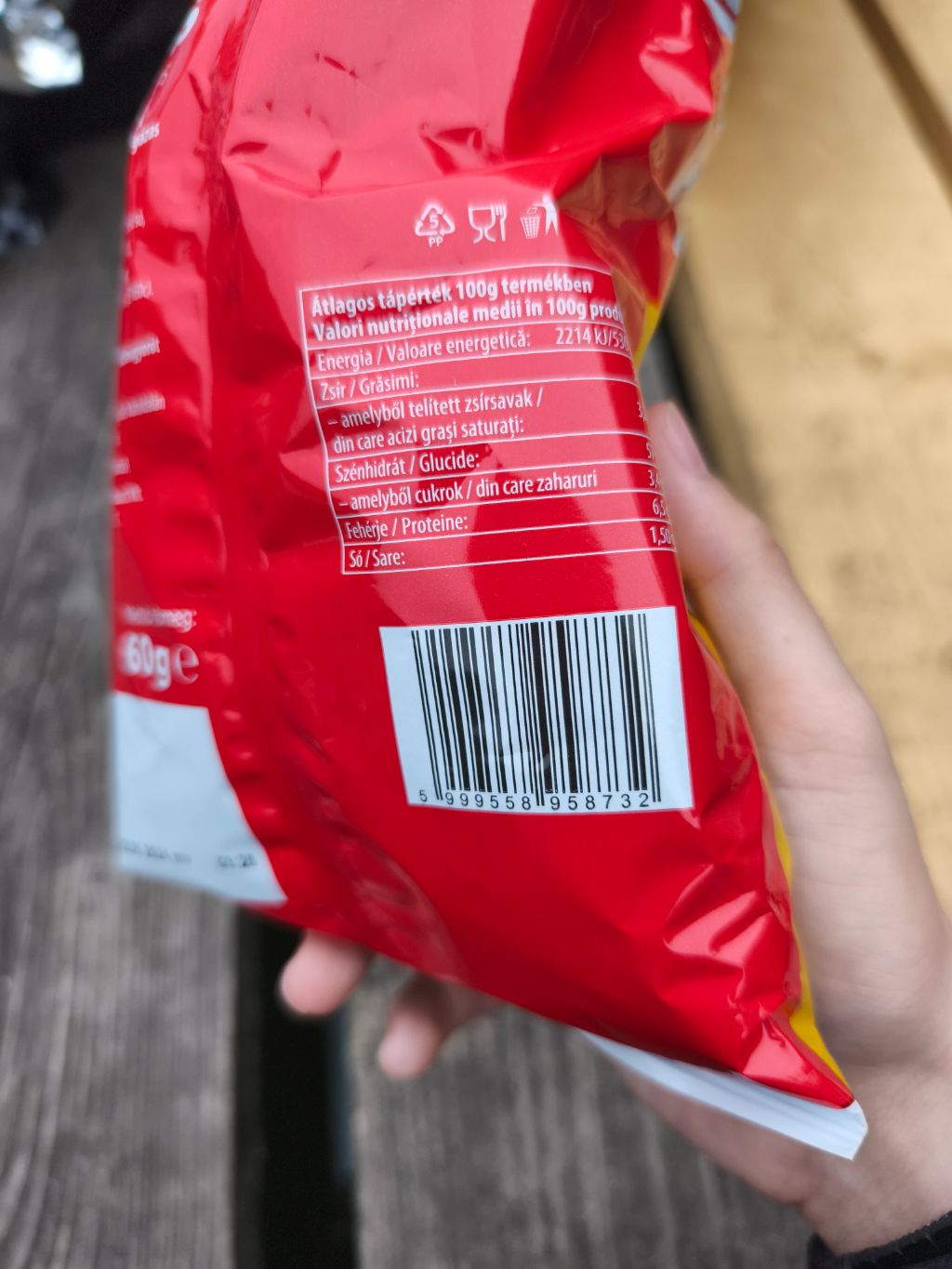
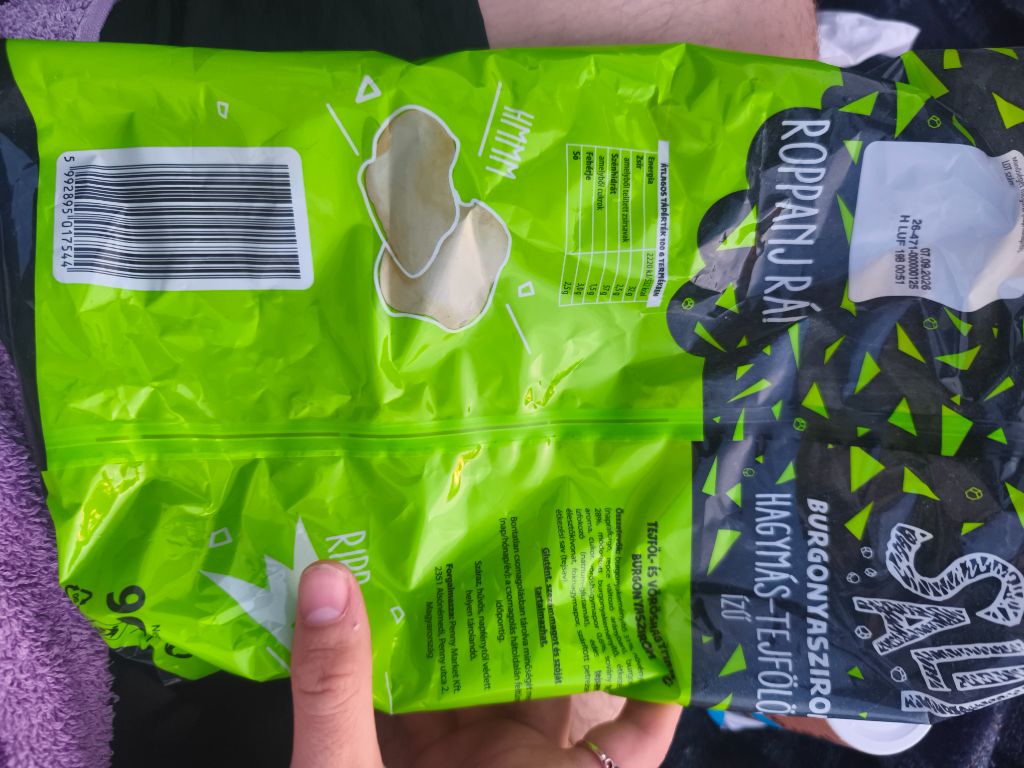
This particular snack product, while offering a quick bite, presents a profile typical of many processed snacks: high energy density, significant levels of saturated fat, and considerable sodium. A complete ingredient list is unfortunately not available, which limits a full assessment of potential artificial additives or preservatives. However, the visible nutritional information highlights key areas of concern.
A primary concern is the elevated sodium content, measured at 1.5g per 100g. Sodium, a crucial electrolyte, is often added to snacks for flavor enhancement and preservation. However, excessive intake, as highlighted by health organizations like the World Health Organization (WHO) and the FDA, is a known contributor to high blood pressure (hypertension), increasing the risk of heart disease and stroke. For a 60g serving, this product contributes significantly to an individual's daily recommended sodium limit.
Another notable component is the high level of saturated fat. While fats are essential for energy and nutrient absorption, a diet rich in saturated fats can elevate LDL ("bad") cholesterol levels, which is a risk factor for cardiovascular disease. Regulatory bodies and dietary guidelines consistently advise limiting saturated fat intake to support heart health. In processed snacks, saturated fats often come from ingredients like palm oil or hydrogenated oils, contributing to texture and shelf life.
Given the incomplete ingredient list, a full evaluation of other potential additives, such as artificial colors, flavors, or preservatives, is not possible. Many processed snacks contain these ingredients, which can be a point of concern for some consumers, particularly regarding their long-term health effects or potential for sensitivities. The absence of a clear list means consumers cannot fully assess the presence of such components.
What this means for your health
For the average consumer, regular consumption of this snack could contribute to exceeding daily limits for sodium and saturated fat. Those with hypertension or heart disease should be cautious, as high sodium impacts blood pressure and saturated fat affects cholesterol. Risk increases with frequent use.
Children, with lower dietary thresholds, should consume such processed snacks in strict moderation. An occasional treat is fine, but consistent consumption could have long-term cardiovascular implications, making mindful choices important for developing systems.
Safer alternatives to consider
When seeking healthier snack options in the same category, look for products that prioritize whole, unprocessed ingredients. Opt for snacks with significantly lower sodium content, ideally under 0.5g per 100g, and reduced saturated fat, favoring those with healthy unsaturated fats from nuts or seeds. Products with clear, short ingredient lists, free from artificial colors, flavors, and excessive preservatives, are generally preferable. Consider options rich in fiber, such as air-popped popcorn, roasted chickpeas, or vegetable sticks with hummus, which offer satiety and nutritional benefits.
The bottom line
The Unknown Snack Product offers the convenience and taste expected from a salty snack, but its high sodium and saturated fat content, coupled with an incomplete ingredient list, raise nutritional concerns. While an occasional indulgence is unlikely to cause immediate harm, it is not a product recommended for regular consumption, especially for those managing blood pressure or heart health. Consumers should prioritize moderation and seek out alternatives with clearer ingredient profiles and better nutritional balance.