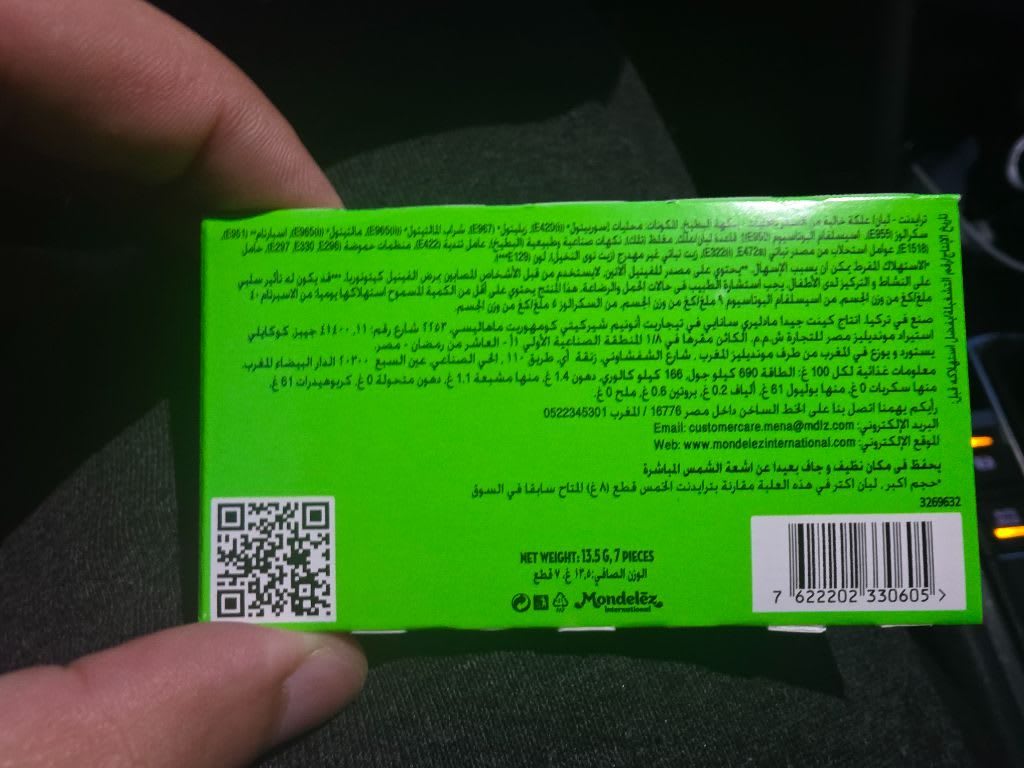
FOOD ANALYSIS

Trident Sugar-Free Gum

AI-Powered Safety Report · SafeShelf

🌐 This is a public scan General scans are publicly accessible and may appear in search engines and the community Discover gallery. Do not upload labels containing personal information. If you want a private analysis tailored to your health, create a free account and use Personalised Scanning →
⚕️ Data Aggregation & Medical Disclaimer SafeShelf is a technology platform, not a medical provider. This analysis is generated by an AI system that aggregates public regulatory data (such as EU and FDA databases) and is provided for educational and informational purposes only. It is not medical advice, a clinical diagnosis, or a substitute for professional healthcare guidance. SafeShelf has no doctors on staff and cannot guarantee the accuracy of AI-generated assessments.

Do not make health, dietary, or medical decisions based solely on this report. Always consult a qualified healthcare professional — especially if you have a medical condition, are pregnant, take prescription medications, or are acting on behalf of an infant or child.

55
Moderate
Trident Sugar-Free Gum
medium confidence

This product is a sugar-free chewing gum that uses various polyol sweeteners and artificial additives to provide flavor and texture. While convenient for oral hygiene, it contains several synthetic emulsifiers and artificial sweeteners that may cause digestive distress if consumed in excess.

🚨 Critical Warnings
Excessive consumption may cause a laxative effect due to the polyol content
Not suitable for individuals with phenylketonuria (contains phenylalanine)
✅ What's Good
  • Sugar-free, which does not contribute to dental caries
  • Contains xylitol which may support oral health
🥜 Allergens Detected

These are personal risks — they are not universally harmful. People without these allergies or intolerances are unaffected.

Soy (soy lecithin/vegetable fat)
⚠️ Flagged Ingredients
Aspartame MEDIUM
Artificial sweetener that is a source of phenylalanine, dangerous for those with phenylketonuria.
Sorbitol/Maltitol MEDIUM
Sugar alcohols that can cause gastrointestinal upset, bloating, or diarrhea in sensitive individuals.
BHT (E321) MEDIUM
Synthetic antioxidant used as a preservative; some studies suggest potential endocrine disruption in high doses.
Artificial Flavors MEDIUM
Non-specific chemical mixtures that may cause sensitivities or allergic reactions in some individuals.
🔬 Full Ingredient Breakdown

Every identified ingredient classified by safety level.

Gum Base safe
Sorbitol moderate
Maltitol moderate
Aspartame moderate
Acesulfame K moderate
Glycerin safe
Artificial Flavors moderate
Soy Lecithin allergen
BHT moderate
💡 Recommendations
  • Limit intake to 1-2 pieces per day to avoid digestive issues
  • Individuals with Phenylketonuria (PKU) must strictly avoid this product
  • Consider gums sweetened exclusively with 100% natural xylitol if avoiding artificial additives
📚 Regulatory & Toxicological Context

The analysis for Trident Sugar-Free Gum relies on aggregated data from global regulatory bodies. When evaluating products in the food category, our AI cross-references ingredients against databases such as the European Chemicals Agency (ECHA), the US Food and Drug Administration (FDA) GRAS list, and the International Agency for Research on Cancer (IARC).

Consumer products often contain complex chemical formulations. While individual ingredients may be legally permitted in certain jurisdictions, emerging toxicological research frequently highlights the risks of bioaccumulation, endocrine disruption, and gut microbiome degradation. SafeShelf's mission is to provide transparent, accessible translations of these complex chemical nomenclatures so consumers can make informed decisions about their household exposure.

⚕️ Reminder: This AI report is for informational purposes only and does not replace professional medical advice. Ingredient safety can vary based on individual health factors, dosage, product formulation, and applicable regulations in your country. SafeShelf assumes no liability for decisions made based on this analysis.

🔍 Related Scans in this Category

What is Trident Sugar-Free Gum?

Trident Sugar-Free Gum is a popular chewing gum marketed for its ability to help clean teeth and freshen breath without contributing to tooth decay, thanks to its sugar-free formulation. It's often positioned as a convenient choice for maintaining oral hygiene between brushings, appealing to a broad audience from children to adults who are conscious about sugar intake or looking for a quick breath freshener. As a confectionery product, it falls into the category of artificially sweetened snacks.

The ingredient breakdown

Trident Sugar-Free Gum features a relatively complex ingredient profile, typical for many processed foods. It contains a gum base, a variety of sugar alcohols, artificial sweeteners, and synthetic additives designed to provide flavor, texture, and preservation. The product's composition is primarily focused on delivering a sweet taste without sugar, relying heavily on polyols and artificial compounds.

The primary sweetening agents in Trident include Sorbitol, Maltitol, Aspartame, and Acesulfame K. Sorbitol and Maltitol are sugar alcohols (polyols) that provide sweetness with fewer calories than sugar and do not promote tooth decay. However, consuming these in large quantities can lead to gastrointestinal upset, bloating, or a laxative effect in sensitive individuals. Aspartame is an artificial sweetener approved by regulatory bodies like the FDA, but it is a source of phenylalanine, making it unsuitable for individuals with phenylketonuria (PKU), a rare genetic disorder. Acesulfame K is another artificial sweetener often used in conjunction with aspartame to enhance sweetness.

To maintain freshness and texture, Trident Sugar-Free Gum also includes ingredients like BHT (Butylated Hydroxytoluene) and Soy Lecithin. BHT is a synthetic antioxidant used as a preservative to prevent fats and oils from going rancid. While the FDA generally recognizes BHT as safe in small amounts, some studies have raised concerns about its potential as an endocrine disruptor at higher doses, though these findings are often debated and not conclusive for typical dietary exposure. Soy Lecithin acts as an emulsifier, helping to bind ingredients and maintain the gum's texture, and is also an allergen for those with soy sensitivities.

Finally, the gum contains Artificial Flavors. These are non-specific chemical mixtures designed to mimic natural tastes. Because their exact composition is proprietary, individuals with sensitivities or allergies may find it challenging to identify the specific compounds that could trigger a reaction. While generally considered safe by regulatory bodies, the broad category of 'artificial flavors' can be a point of concern for consumers seeking more transparent ingredient lists or those with unknown sensitivities.

What this means for your health

For most healthy individuals, occasional consumption of Trident Sugar-Free Gum is unlikely to pose significant health risks. The primary concern revolves around the sugar alcohols, Sorbitol and Maltitol, which can cause digestive issues like bloating, gas, and diarrhea if consumed in excess. This laxative effect is explicitly noted on the product packaging. Individuals with sensitive digestive systems, such as those with Irritable Bowel Syndrome (IBS), might be particularly susceptible to these effects even at moderate consumption levels.

A critical warning applies to individuals with phenylketonuria (PKU), who must strictly avoid products containing aspartame due to its phenylalanine content. For the general population, the debate around the long-term effects of artificial sweeteners like aspartame and Acesulfame K continues, though major regulatory bodies like the FDA and EFSA affirm their safety at current acceptable daily intake levels. The presence of BHT, while permitted, is a point of caution for those concerned about synthetic antioxidants and potential endocrine disruption, although the exposure from chewing gum is typically very low.

Safer alternatives to consider

For those looking for alternatives with a simpler ingredient profile, consider chewing gums that rely solely on natural sweeteners like xylitol, which also offers dental benefits, or erythritol. Look for products that explicitly state 'natural flavors' or avoid added flavors altogether. Opting for brands that exclude synthetic preservatives like BHT and emulsifiers like soy lecithin, or those that use organic and non-GMO ingredients, can also reduce exposure to potentially concerning additives. Prioritize products with shorter, more transparent ingredient lists.

The bottom line

Trident Sugar-Free Gum offers a convenient way to enjoy a sweet treat and support oral hygiene without sugar. Its benefits for dental health are clear, particularly with the inclusion of xylitol. However, consumers should be mindful of the potential for digestive discomfort from sugar alcohols if consumed excessively, and individuals with PKU must avoid it due to aspartame. For those seeking to minimize exposure to artificial sweeteners and synthetic additives, exploring alternatives with simpler, more natural ingredient profiles might be a preferable choice.

❓ Frequently Asked Questions
Is Trident Sugar-Free Gum safe to chew daily?

For most healthy individuals, chewing Trident Sugar-Free Gum daily in moderation is generally considered safe. However, excessive consumption, particularly by those with sensitive digestive systems, may lead to gastrointestinal discomfort due to the sugar alcohols like sorbitol and maltitol. Individuals with phenylketonuria (PKU) must avoid it due to aspartame.

What are the main concerns with Trident Sugar-Free Gum ingredients?

The primary concerns include the potential for digestive upset (bloating, diarrhea) from sugar alcohols like sorbitol and maltitol, especially with excessive intake. Aspartame is a concern for individuals with phenylketonuria. Some consumers also have reservations about synthetic additives like BHT and artificial flavors, though regulatory bodies generally deem them safe in typical amounts.

Does Trident Sugar-Free Gum contain allergens?

Yes, Trident Sugar-Free Gum contains soy lecithin, which is derived from soy and is a common allergen. Individuals with a soy allergy should avoid this product. Always check the ingredient list for the most up-to-date allergen information, as formulations can occasionally change.

The editorial article above was AI-generated from this product's ingredient analysis. It is for informational purposes only and is not medical advice.

Get a Personalised Analysis

Register free and scans will be tailored to your medications, conditions, and health goals.

Register Free →