

FOOD ANALYSIS

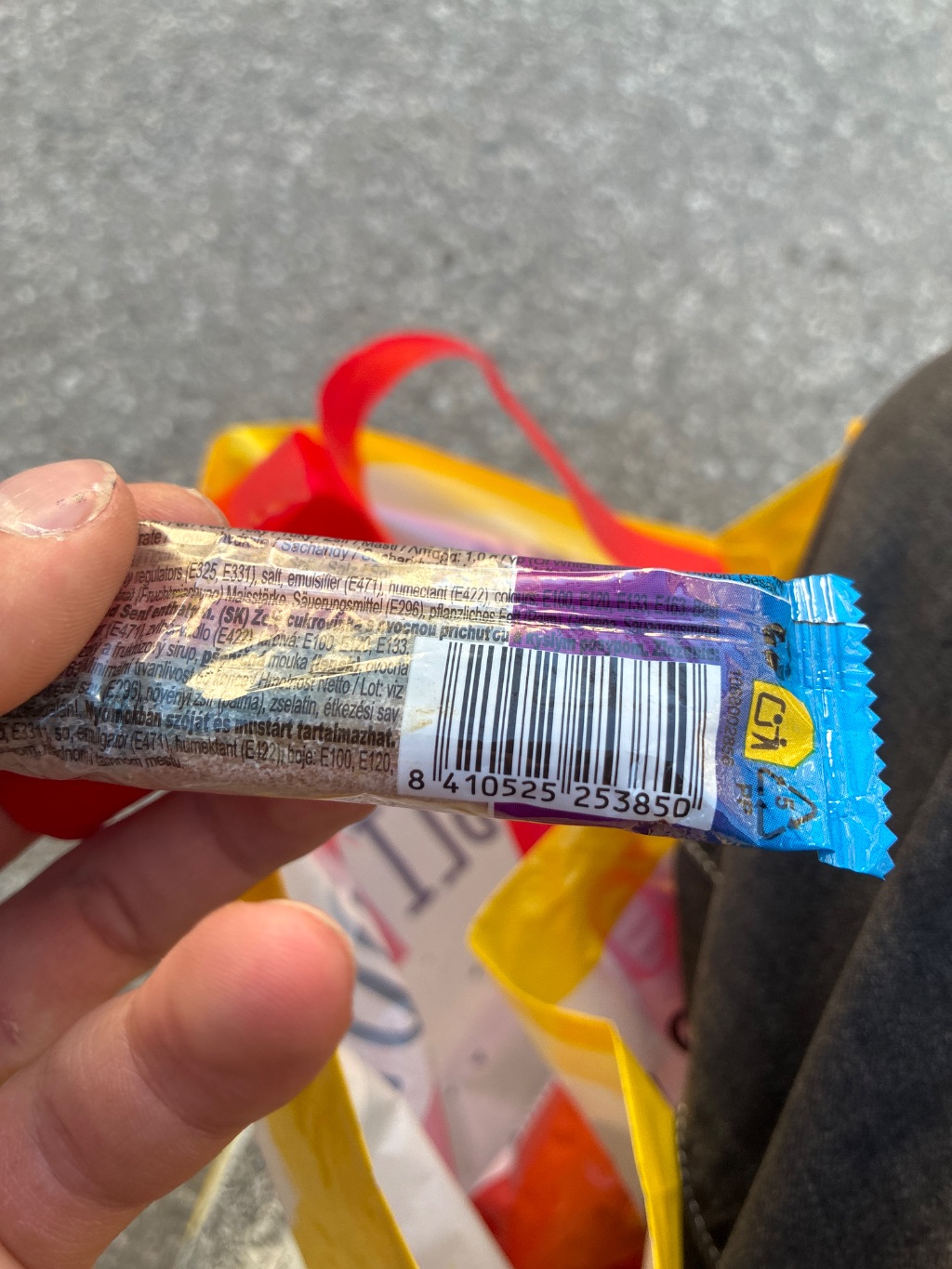
Unknown Fruit Flavoured Candy

AI-Powered Safety Report · SafeShelf

🌐 This is a public scan General scans are publicly accessible and may appear in search engines and the community Discover gallery. Do not upload labels containing personal information. If you want a private analysis tailored to your health, create a free account and use Personalised Scanning →
⚕️ Data Aggregation & Medical Disclaimer SafeShelf is a technology platform, not a medical provider. This analysis is generated by an AI system that aggregates public regulatory data (such as EU and FDA databases) and is provided for educational and informational purposes only. It is not medical advice, a clinical diagnosis, or a substitute for professional healthcare guidance. SafeShelf has no doctors on staff and cannot guarantee the accuracy of AI-generated assessments.

Do not make health, dietary, or medical decisions based solely on this report. Always consult a qualified healthcare professional — especially if you have a medical condition, are pregnant, take prescription medications, or are acting on behalf of an infant or child.

35
Concerning
Unknown Fruit Flavoured Candy
confectionery high confidence

This product is an ultra-processed confectionery item containing multiple artificial colours and additives. It is high in refined sugars and lacks significant nutritional value, making it a treat to be consumed only in moderation.

📊 Score Breakdown
Additive Safety
25% of overall
20
Contains multiple artificial colours (E100, E120, E133) and synthetic additives.
Sugar Concern
20% of overall
0
Primary ingredients are sugar and glucose syrup, representing high refined sugar content.
Ingredient Quality
20% of overall
30
Ultra-processed product with refined sugars, starches, and artificial additives.
Nutritional Value
15% of overall
20
Provides empty calories with no significant protein, fibre, or micronutrients.
Allergen Clarity
10% of overall
70
Contains warnings for soy and mustard traces.
Preservative Load
10% of overall
60
Contains acidity regulators (E296, E325, E331) which are standard for this category.
🚨 Critical Warnings
Contains artificial colours which may have adverse effects on activity and attention in children.
🥜 Allergens Detected

These are personal risks — they are not universally harmful. People without these allergies or intolerances are unaffected.

soy mustard
⚠️ Flagged Ingredients
Artificial Colours (E100, E120, E133) MEDIUM
Synthetic dyes are linked to hyperactivity in sensitive individuals.
Refined Sugar/Glucose Syrup MEDIUM
High intake of refined sugars contributes to metabolic health issues and dental decay.
🔬 Full Ingredient Breakdown

Every identified ingredient classified by safety level.

sugar harmful
glucose syrup harmful
E100 moderate
E120 moderate
E133 moderate
E296 safe
E325 safe
E331 safe
soy allergen
mustard allergen
💡 Recommendations
  • Consume only as an occasional treat.
  • Check labels for specific allergen sensitivities if you have a history of soy or mustard reactions.
📚 Regulatory & Toxicological Context

The analysis for Unknown Fruit Flavoured Candy relies on aggregated data from global regulatory bodies. When evaluating products in the food category, our AI cross-references ingredients against databases such as the European Chemicals Agency (ECHA), the US Food and Drug Administration (FDA) GRAS list, and the International Agency for Research on Cancer (IARC).

Consumer products often contain complex chemical formulations. While individual ingredients may be legally permitted in certain jurisdictions, emerging toxicological research frequently highlights the risks of bioaccumulation, endocrine disruption, and gut microbiome degradation. SafeShelf's mission is to provide transparent, accessible translations of these complex chemical nomenclatures so consumers can make informed decisions about their household exposure.

⚕️ Reminder: This AI report is for informational purposes only and does not replace professional medical advice. Ingredient safety can vary based on individual health factors, dosage, product formulation, and applicable regulations in your country. SafeShelf assumes no liability for decisions made based on this analysis.

🔍 Related Scans in this Category

What is Unknown Fruit Flavoured Candy?

Unknown Fruit Flavoured Candy is an ultra-processed confectionery product, typically marketed as a fun treat for a broad consumer base, including children. Falling into the snack food category, it is designed primarily for taste and convenience, offering a burst of fruit flavor through a combination of sugars and various additives. Unlike whole foods, this candy provides minimal nutritional value, serving as an occasional indulgence rather than a dietary staple.

The ingredient breakdown

This fruit-flavored candy features a relatively simple ingredient list, dominated by refined sugars and a selection of artificial colors and acidity regulators. The overall composition points to a product engineered for palatability and shelf stability, with little emphasis on natural or nutrient-dense components.

Sweeteners: The primary ingredients are refined sugar and glucose syrup. These provide the characteristic sweetness and contribute to the candy's texture and mouthfeel. However, a high intake of refined sugars, as found prominently in products like this, is a significant concern for public health. Regular consumption can contribute to metabolic health issues such as weight gain, insulin resistance, and an increased risk of type 2 diabetes, as well as promoting dental decay. Organizations like the World Health Organization recommend limiting free sugar intake to reduce these risks.

Artificial Colours: The product contains several artificial colors, specifically identified as E100 (Curcumin), E120 (Cochineal/Carminic Acid), and E133 (Brilliant Blue FCF). These additives are included to enhance the visual appeal and mimic natural fruit colors. While E100 and E120 are naturally derived, they are processed and used as color additives, and E133 is a synthetic dye. Regulatory bodies like the European Food Safety Authority (EFSA) have evaluated these, but concerns persist. Notably, synthetic food dyes, including some used here, have been linked to adverse effects on activity and attention in sensitive children, leading to mandatory hyperactivity warnings on labels in the European Union, a requirement not mirrored by the U.S. FDA.

Acidity Regulators: To achieve its characteristic fruit flavor profile and extend shelf life, the candy includes acidity regulators such as E296 (Malic Acid), E325 (Sodium Lactate), and E331 (Sodium Citrates). Malic acid provides a tart taste, while sodium lactate and sodium citrates help stabilize the product's pH. These additives are generally recognized as safe (GRAS) by the FDA and other international bodies when used within established limits, playing a functional role in food preservation and flavor enhancement without significant health concerns for most consumers.

What this means for your health

For the average consumer, the primary health consideration with Unknown Fruit Flavoured Candy revolves around its high content of refined sugars. Regular and excessive consumption of such products can contribute to long-term health challenges, including an increased risk of obesity, type 2 diabetes, and dental cavities. While occasional enjoyment as part of a balanced diet may not pose immediate severe risks, it's crucial to recognize that this candy offers negligible nutritional benefits.

Furthermore, the presence of artificial colors, particularly E133, warrants caution, especially for children. While the FDA permits these dyes, studies have suggested a link between certain synthetic food colors and hyperactivity in sensitive children. Parents of children with attention or behavioral issues may consider limiting exposure to products containing these additives. Additionally, individuals with allergies should be aware of the declared allergens, soy and mustard, which may be present as traces.

Safer alternatives to consider

When seeking safer alternatives in the confectionery category, prioritize options that minimize refined sugars and artificial additives. Look for candies or snacks sweetened primarily with natural fruit concentrates or small amounts of natural sweeteners like stevia or monk fruit. Opt for products that derive their colors from natural sources such as fruit and vegetable extracts, rather than synthetic dyes. Additionally, choosing snacks with a higher nutritional profile, such as actual fruit or whole-grain options, can satisfy cravings while providing essential vitamins and fiber.

The bottom line

Unknown Fruit Flavoured Candy is a typical ultra-processed treat, high in refined sugars and containing artificial colors that may be concerning for sensitive individuals, particularly children. While it offers a pleasant taste, its lack of nutritional value means it should be consumed sparingly. For the health-conscious adult or worried parent, this candy is best viewed as an occasional indulgence rather than a regular part of the diet, with a preference for alternatives that offer better ingredient quality.

❓ Frequently Asked Questions
Is Unknown Fruit Flavoured Candy safe for children?

Unknown Fruit Flavoured Candy contains high levels of refined sugar and artificial colors, including E133. While generally permitted, some studies link these colors to hyperactivity in sensitive children. Due to these concerns and its lack of nutritional value, it's best offered to children only in strict moderation.

What are the main health concerns with Unknown Fruit Flavoured Candy?

The primary health concerns stem from its high refined sugar content, which can contribute to metabolic issues and dental decay with frequent consumption. Additionally, the artificial colors (E100, E120, E133) have been linked to adverse effects on activity and attention in sensitive children, prompting warnings in some regions.

Does Unknown Fruit Flavoured Candy contain common allergens?

Yes, the product analysis indicates that Unknown Fruit Flavoured Candy contains warnings for traces of common allergens, specifically soy and mustard. Individuals with allergies to these ingredients should exercise caution and avoid consumption to prevent potential allergic reactions.

The editorial article above was AI-generated from this product's ingredient analysis. It is for informational purposes only and is not medical advice.

Get a Personalised Analysis

Register free and scans will be tailored to your medications, conditions, and health goals.

Register Free →