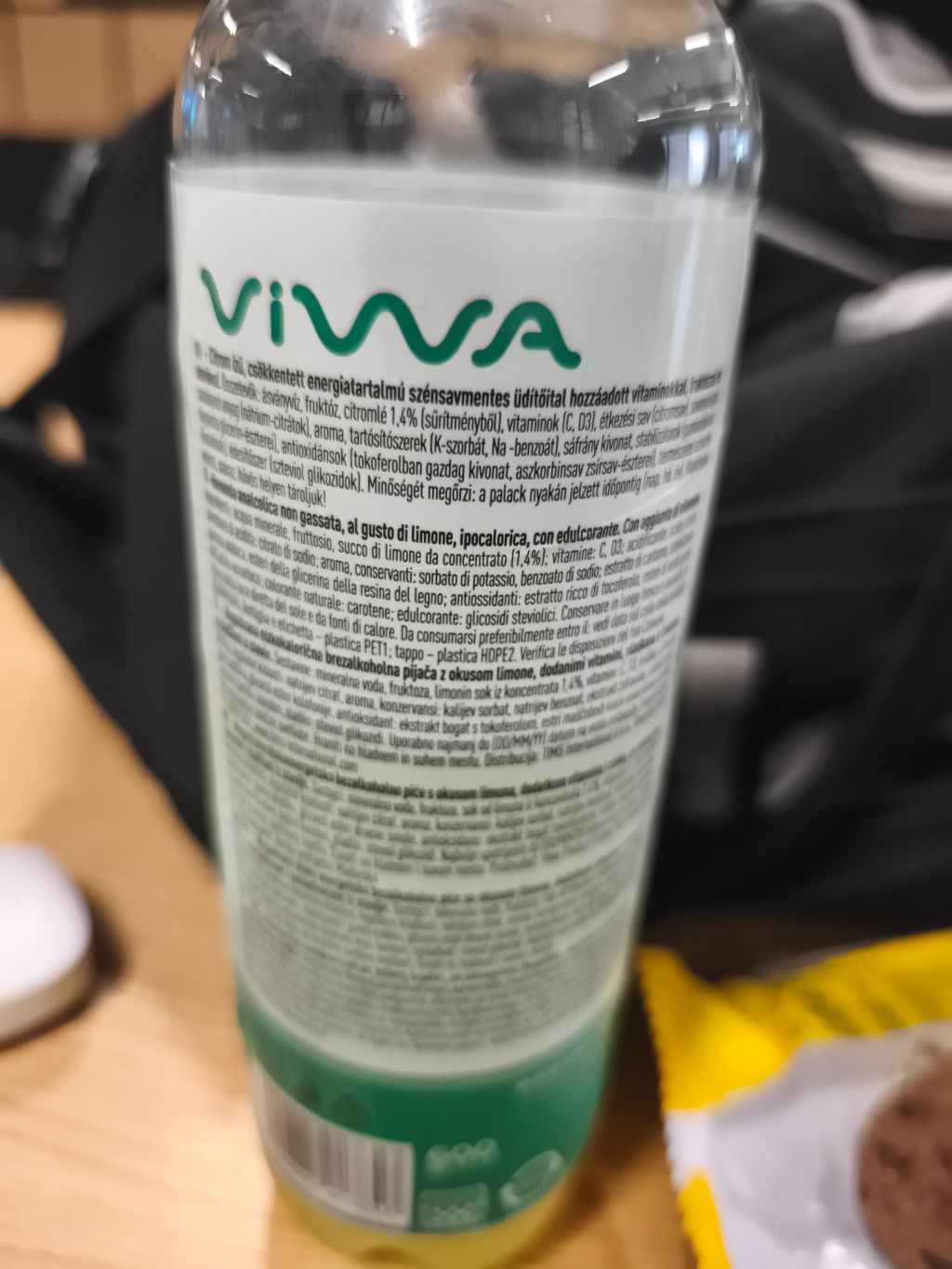
What is Viwa Vitamin Water Lemon?
Viwa Vitamin Water Lemon is a low-calorie, vitamin-fortified beverage designed to offer hydration with added nutritional benefits. Marketed as an enhanced water, it aims to provide a flavorful alternative to plain water without the high sugar content often found in traditional soft drinks. It typically targets health-conscious adults seeking to supplement their diet with vitamins while enjoying a refreshing, low-energy drink.
The ingredient breakdown
Viwa Vitamin Water Lemon features a relatively straightforward ingredient list, blending natural components like lemon juice concentrate and added vitamins with synthetic preservatives and a natural, non-caloric sweetener. The formulation prioritizes a low-calorie profile while ensuring shelf stability and a pleasant taste.
The core of the beverage is mineral water, providing basic hydration. For flavor, it includes lemon juice concentrate, offering a natural citrus taste, and safflower extract for color. Citric acid and sodium citrates are added to balance the acidity and enhance flavor. The product is fortified with essential nutrients, specifically Vitamin C and Vitamin D3, contributing to its functional health claims. Tocopherol-rich extract acts as an antioxidant, helping to maintain the product's freshness.
To achieve its low-calorie status, Viwa Vitamin Water Lemon utilizes a combination of fructose, a simple sugar, and steviol glycosides. Fructose contributes some sweetness and calories, but its presence is balanced by steviol glycosides, which are natural compounds derived from the stevia plant. Steviol glycosides provide significant sweetness without adding calories, and they are generally recognized as safe by regulatory bodies like the U.S. Food and Drug Administration (FDA) and the European Food Safety Authority (EFSA) for use as a sweetener.
For shelf stability, the product contains two synthetic preservatives: potassium sorbate and sodium benzoate. These ingredients work by inhibiting the growth of mold, yeast, and bacteria, thereby extending the product's shelf life. Both are widely used in the food industry and are generally recognized as safe (GRAS) by the FDA when used within established limits. However, some individuals may experience mild sensitivities or allergic reactions to benzoates, though such instances are uncommon with typical consumption levels.
What this means for your health
For most healthy individuals, Viwa Vitamin Water Lemon presents a low-risk option for hydration with added vitamins. The fortification with Vitamin C and D3 offers a modest nutritional boost, and its low-calorie nature makes it a suitable alternative to sugary beverages. The synthetic preservatives, potassium sorbate and sodium benzoate, are present in amounts generally considered safe by regulatory bodies. However, individuals with known sensitivities to benzoates should exercise caution or consider alternatives.
While the product contains natural lemon juice and a plant-derived sweetener, it remains an ultra-processed beverage. Regular consumption of processed foods and drinks, even those with beneficial additions, should be balanced with a diet rich in whole, unprocessed foods. Pregnant individuals, young children, or those with specific health conditions should always consult with a healthcare professional regarding dietary choices and supplement intake.
Safer alternatives to consider
If you're looking for hydration with added benefits without synthetic preservatives or processed ingredients, consider simpler alternatives. Plain filtered water infused with fresh fruit slices, such as lemon, lime, or berries, offers natural flavor and hydration. Herbal teas, either hot or iced, can also provide a flavorful, low-calorie option. For a vitamin boost, prioritize whole foods like fruits and vegetables, which deliver a broader spectrum of nutrients and fiber.
The bottom line
Viwa Vitamin Water Lemon offers a convenient, low-calorie way to hydrate and supplement your diet with Vitamins C and D3. While it provides these benefits and uses a natural sweetener, it does contain synthetic preservatives that, while generally safe, might be a concern for some. For the average consumer seeking an occasional flavored, vitamin-enhanced drink, it's a reasonable choice. However, those prioritizing a completely unprocessed diet or with specific sensitivities may prefer simpler, whole-food-based alternatives.