PERSONAL
CARE
ANALYSIS
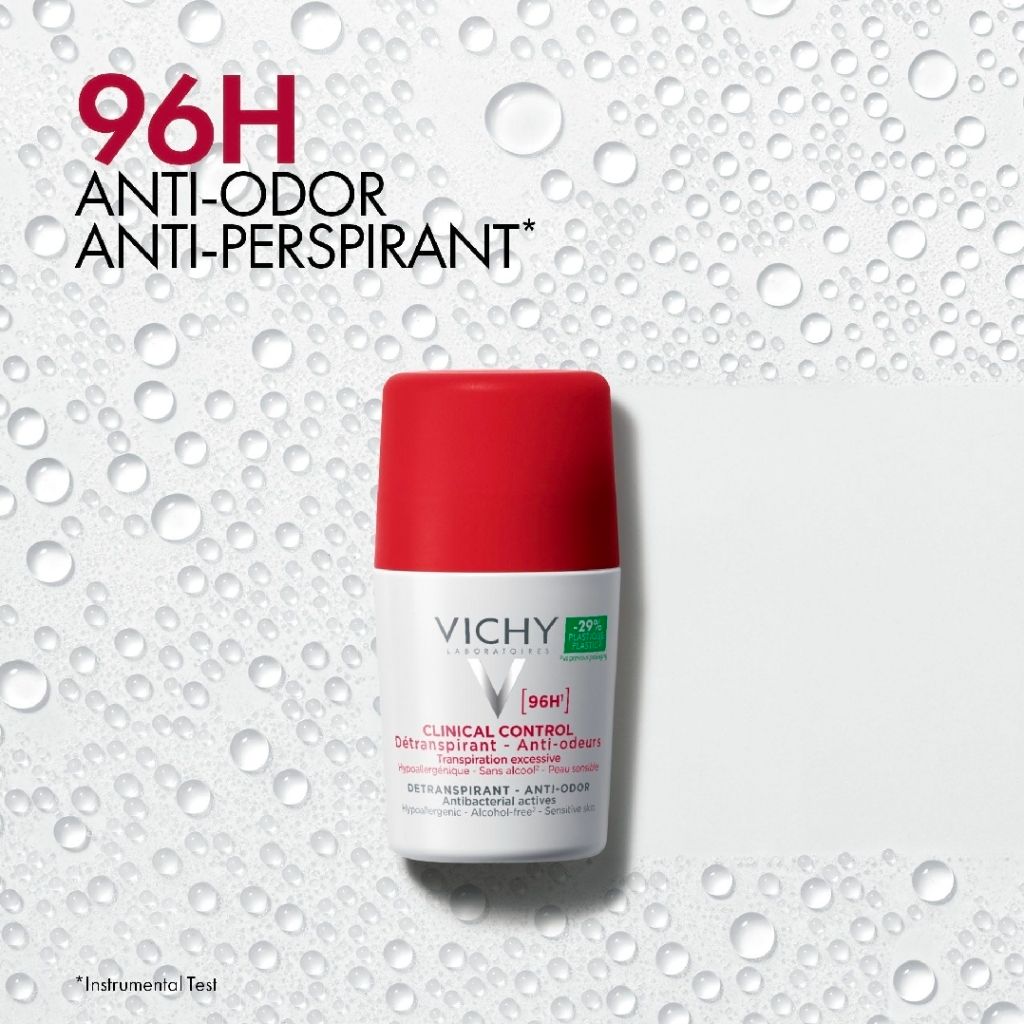
Vichy Clinical Control 96H Anti-Odor Anti-Perspirant
AI-Powered Safety Report · SafeShelf
⚕️ Data Aggregation & Medical Disclaimer
SafeShelf is a technology platform, not a medical provider. This analysis is generated by an AI system that aggregates public regulatory data (such as EU and FDA databases) and is provided for educational and informational purposes only. It is not medical advice, a clinical diagnosis, or a substitute for professional healthcare guidance. SafeShelf has no doctors on staff and cannot guarantee the accuracy of AI-generated assessments.
Do not make health, dietary, or medical decisions based solely on this report. Always consult a qualified healthcare professional — especially if you have a medical condition, are pregnant, take prescription medications, or are acting on behalf of an infant or child.
Do not make health, dietary, or medical decisions based solely on this report. Always consult a qualified healthcare professional — especially if you have a medical condition, are pregnant, take prescription medications, or are acting on behalf of an infant or child.
65
Good
Vichy Clinical Control 96H Anti-Odor Anti-Perspirant
underarm antiperspirant
high confidence
This is a clinical-strength antiperspirant designed for excessive perspiration. It contains aluminum salts, which are effective for sweat control but are a point of debate regarding long-term skin microbiome impact and absorption, and it relies on undisclosed fragrance components.
📊 Score Breakdown
Absorption Zone Risk
35% of overall
50
Contains aluminum salts (antiperspirant active), which are standard for this category but represent a high-absorption zone concern.
Toxic Chemical Presence
25% of overall
80
Formulated without alcohol and designed for sensitive skin, reducing irritation risk.
Ingestion Risk
0% of overall
100
Not applicable to underarm products.
Fragrance Load
15% of overall
50
Contains 'Parfum/Fragrance', which is an undisclosed blend of chemicals.
Microbiome Impact
10% of overall
70
Contains antibacterial actives to control odor, which may impact natural skin flora.
🚨 Critical Warnings
Contains aluminum salts; if you have specific concerns regarding aluminum absorption, consult a dermatologist.
✅ What's Good
- ✓96-hour odor and sweat control
- ✓Alcohol-free formula
- ✓Hypoallergenic and suitable for sensitive skin
🕳️ Undisclosed Blends
These entries hide multiple constituents that are not individually declared on the label.
Parfum/Fragrance
Can legally hide dozens of individual chemical constituents, potential allergens, and solvents.
⚠️ Flagged Ingredients
Aluminum salts
MEDIUM
Common antiperspirant active; while FDA-approved, it is a subject of ongoing research regarding potential systemic absorption and skin microbiome disruption.
Parfum/Fragrance
MEDIUM
Undisclosed proprietary blend; common cause of contact dermatitis and contains hidden chemical constituents.
🔬 Full Ingredient Breakdown
Every identified ingredient classified by safety level.
Aluminum salts
moderate
Parfum/Fragrance
moderate
💡 Recommendations
- →Perform a patch test if you have highly reactive or sensitive skin.
- →Discontinue use if you experience redness, itching, or irritation in the underarm area.
⚕️ Reminder: This AI report is for informational purposes only and does not replace
professional medical advice. Ingredient safety can vary based on individual health factors, dosage,
product formulation, and applicable regulations in your country. SafeShelf assumes no liability for
decisions made based on this analysis.