PERSONAL CARE ANALYSIS

Unknown Sunscreen

AI-Powered Safety Report · SafeShelf

🌐 This is a public scan General scans are publicly accessible and may appear in search engines and the community Discover gallery. Do not upload labels containing personal information. If you want a private analysis tailored to your health, create a free account and use Personalised Scanning →
⚕️ Data Aggregation & Medical Disclaimer SafeShelf is a technology platform, not a medical provider. This analysis is generated by an AI system that aggregates public regulatory data (such as EU and FDA databases) and is provided for educational and informational purposes only. It is not medical advice, a clinical diagnosis, or a substitute for professional healthcare guidance. SafeShelf has no doctors on staff and cannot guarantee the accuracy of AI-generated assessments.

Do not make health, dietary, or medical decisions based solely on this report. Always consult a qualified healthcare professional — especially if you have a medical condition, are pregnant, take prescription medications, or are acting on behalf of an infant or child.

78
Good
Unknown Sunscreen
leave-on sunscreen high confidence

This is a broad-spectrum chemical sunscreen formulated with a variety of UV filters. It is generally well-formulated for daily use, though the inclusion of fragrance may be a concern for those with sensitive skin.

📊 Score Breakdown
Absorption Zone Risk
30% of overall
85
Contains standard chemical UV filters which are common in leave-on sunscreens.
Toxic Chemical Presence
25% of overall
75
Contains PEGs (PEG-100 Stearate), which are generally safe but can be a concern if applied to broken or compromised skin.
Ingestion Risk
20% of overall
100
Not intended for oral use; no specific ingestion hazards noted for topical application.
Fragrance Load
15% of overall
50
Contains 'Parfum', which is a non-disclosed mixture of fragrance chemicals.
Microbiome Impact
10% of overall
90
Contains Panthenol and Glycerin, which are beneficial for skin barrier health.
🚨 Critical Warnings
Contains fragrance, which may cause contact dermatitis in sensitive individuals.
✅ What's Good
  • Contains Panthenol for skin soothing
  • Contains Glycerin for hydration
  • Contains Tocopheryl Acetate (Vitamin E) for antioxidant protection
⚠️ Flagged Ingredients
Parfum (Fragrance) MEDIUM
Fragrance is a common cause of skin sensitization and allergic reactions.
🔬 Full Ingredient Breakdown

Every identified ingredient classified by safety level.

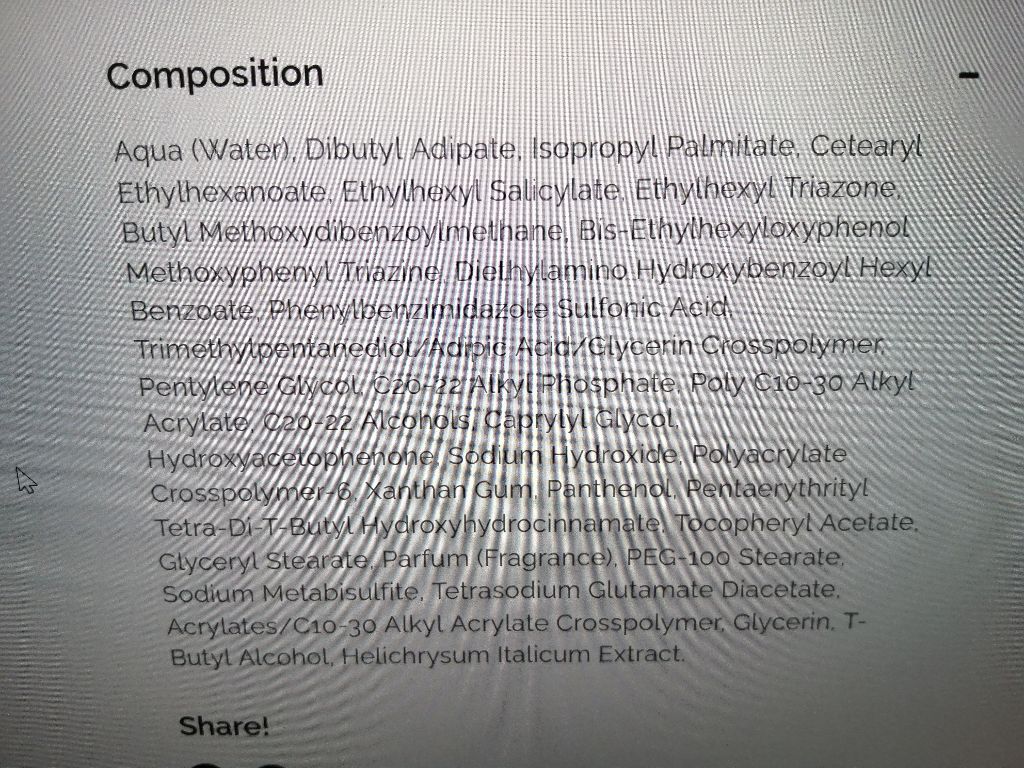
Aqua (Water) safe
Dibutyl Adipate safe
Isopropyl Palmitate safe
Cetearyl Ethylhexanoate safe
Ethylhexyl Salicylate safe
Ethylhexyl Triazone safe
Butyl Methoxydibenzoylmethane safe
Bis-Ethylhexyloxyphenol Methoxyphenyl Triazine safe
Diethylamino Hydroxybenzoyl Hexyl Benzoate safe
Phenylbenzimidazole Sulfonic Acid safe
Trimethylpentanediol/Adipic Acid/Glycerin Crosspolymer safe
Pentylene Glycol safe
C20-22 Alkyl Phosphate safe
Poly C10-30 Alkyl Acrylate safe
C20-22 Alcohols beneficial
Caprylyl Glycol safe
Hydroxyacetophenone safe
Sodium Hydroxide safe
Polyacrylate Crosspolymer-6 safe
Xanthan Gum safe
Panthenol beneficial
Pentaerythrityl Tetra-Di-T-Butyl Hydroxyhydrocinnamate safe
Tocopheryl Acetate beneficial
Glyceryl Stearate safe
Parfum (Fragrance) moderate
PEG-100 Stearate moderate
Sodium Metabisulfite safe
Tetrasodium Glutamate Diacetate safe
Acrylates/C10-30 Alkyl Acrylate Crosspolymer safe
Glycerin beneficial
T-Butyl Alcohol safe
Helichrysum Italicum Extract beneficial
💡 Recommendations
  • Perform a patch test on a small area of skin before full application if you have sensitive skin.
  • Reapply every two hours when exposed to direct sunlight for optimal protection.
📚 Regulatory & Toxicological Context

The analysis for Unknown Sunscreen relies on aggregated data from global regulatory bodies. When evaluating products in the personal-care category, our AI cross-references ingredients against databases such as the European Chemicals Agency (ECHA), the US Food and Drug Administration (FDA) GRAS list, and the International Agency for Research on Cancer (IARC).

Consumer products often contain complex chemical formulations. While individual ingredients may be legally permitted in certain jurisdictions, emerging toxicological research frequently highlights the risks of bioaccumulation, endocrine disruption, and gut microbiome degradation. SafeShelf's mission is to provide transparent, accessible translations of these complex chemical nomenclatures so consumers can make informed decisions about their household exposure.

⚕️ Reminder: This AI report is for informational purposes only and does not replace professional medical advice. Ingredient safety can vary based on individual health factors, dosage, product formulation, and applicable regulations in your country. SafeShelf assumes no liability for decisions made based on this analysis.

🔍 Related Scans in this Category

What is Unknown Sunscreen?

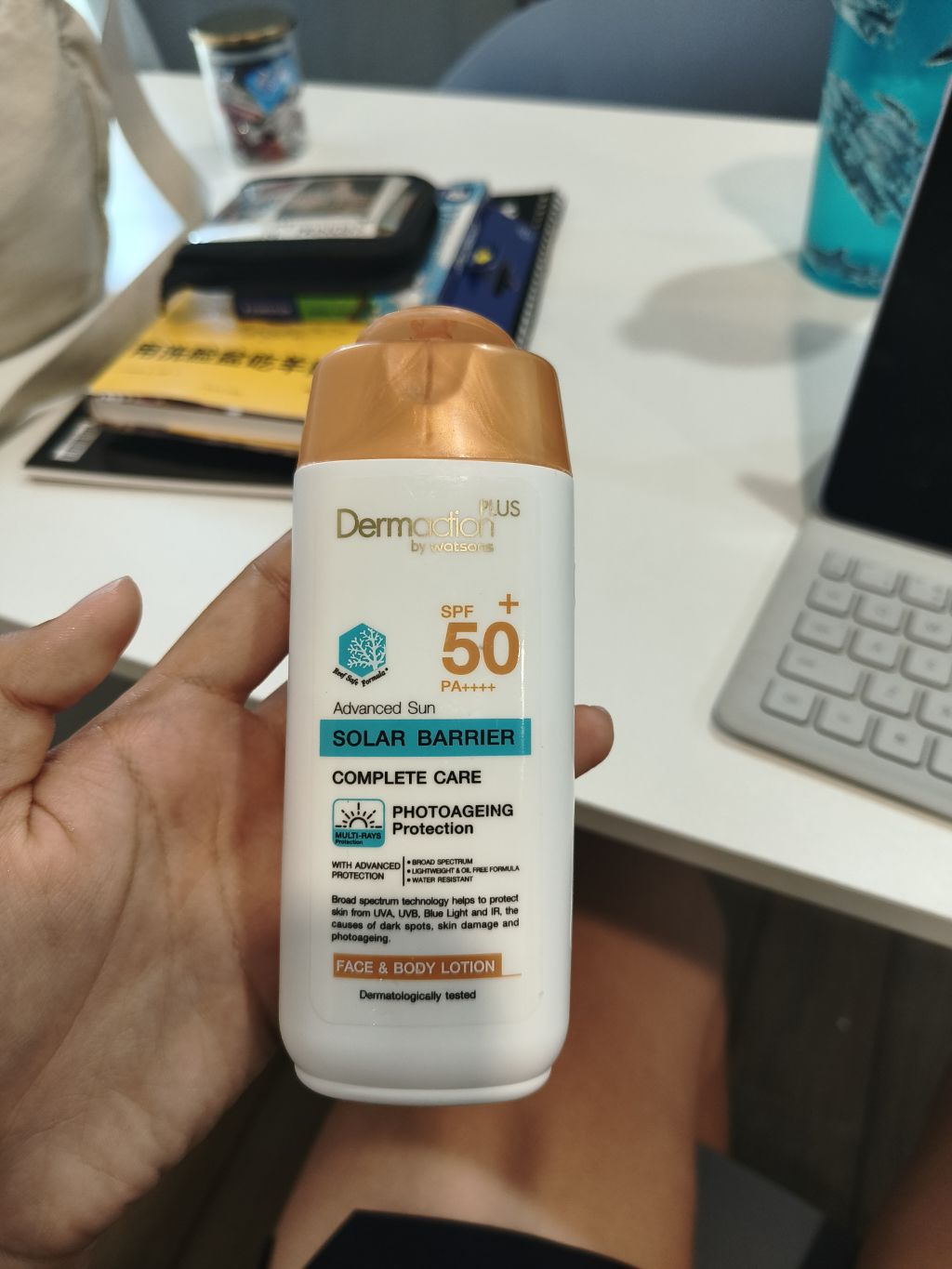
Unknown Sunscreen is a broad-spectrum, leave-on chemical sunscreen designed for daily use to protect the skin from harmful ultraviolet (UV) radiation. Marketed to a general consumer base, it falls into the personal care category and utilizes a blend of organic UV filters to absorb and neutralize UV rays. Unlike mineral sunscreens that create a physical barrier with zinc oxide or titanium dioxide, this product relies on chemical compounds to offer protection, aiming for a lighter feel and less visible residue on the skin.

The ingredient breakdown

This sunscreen features a comprehensive ingredient list, comprising over 30 components. Its formulation balances effective UV protection with skin-conditioning agents, though it does include fragrance, which is a common sensitizer. The overall composition reflects a modern approach to chemical sunscreen, focusing on broad-spectrum coverage and skin comfort.

UV Filters

The core of Unknown Sunscreen's protection comes from a blend of chemical UV filters, including Ethylhexyl Salicylate, Ethylhexyl Triazone, Butyl Methoxydibenzoylmethane, Bis-Ethylhexyloxyphenol Methoxyphenyl Triazine, Diethylamino Hydroxybenzoyl Hexyl Benzoate, and Phenylbenzimidazole Sulfonic Acid. These organic compounds work by absorbing UV radiation and converting it into heat, preventing it from damaging skin cells. Most of these filters are widely approved in the European Union, known for its stringent cosmetic regulations, and some are also approved by the U.S. FDA, though specific approval status can vary. They are generally considered safe for topical use in the concentrations found in sunscreens, with ongoing research into their potential systemic absorption.

Skin Conditioners and Antioxidants

Beyond UV protection, Unknown Sunscreen incorporates several ingredients beneficial for skin health. Panthenol (Pro-Vitamin B5) is included for its soothing and moisturizing properties, helping to improve skin hydration and reduce irritation. Glycerin acts as a powerful humectant, drawing moisture into the skin to keep it hydrated and supple. Tocopheryl Acetate, a form of Vitamin E, provides antioxidant protection, helping to neutralize free radicals generated by UV exposure and environmental stressors. Additionally, Helichrysum Italicum Extract is present, known for its potential anti-inflammatory and skin-calming benefits, contributing to the overall skin-friendly profile of the product.

Potential Irritants and Sensitizers

A notable ingredient in Unknown Sunscreen is Parfum (Fragrance). Fragrance is a common cause of contact dermatitis and allergic reactions, particularly in individuals with sensitive skin or pre-existing skin conditions like eczema. Regulatory bodies like the EU require specific labeling for common fragrance allergens if present above certain thresholds, but the term 'Parfum' itself represents an undisclosed mixture of chemicals, making it difficult for consumers to identify specific sensitizers. Another ingredient, PEG-100 Stearate, belongs to the polyethylene glycol (PEG) family. While generally considered safe for intact skin, PEGs can sometimes enhance the penetration of other ingredients, and there's a theoretical concern about their application on compromised or broken skin, though this is less of a concern for healthy skin.

What this means for your health

For most individuals with healthy, non-sensitive skin, Unknown Sunscreen is likely a safe and effective option for daily UV protection. The primary concern for health-conscious consumers, particularly those with a history of skin sensitivities or allergies, revolves around the inclusion of 'Parfum' (fragrance). Fragrance is a leading cause of allergic contact dermatitis, and its presence means there's a non-zero risk of skin irritation, redness, or itching for susceptible individuals. The chemical UV filters used are widely accepted, but ongoing discussions exist regarding their systemic absorption; however, current scientific consensus generally supports their safe use in topical sunscreens for preventing sun damage, which carries far greater health risks.

The realistic exposure risk for an average consumer using this product as intended is generally low, especially if they do not have fragrance sensitivities. Pregnant individuals, young children, or those with compromised skin barriers might consider opting for fragrance-free alternatives to minimize potential irritation. While the product contains PEGs, their risk profile for intact skin is considered minimal. The benefits of consistent sun protection against skin cancer and premature aging typically outweigh the minor risks associated with well-regulated chemical filters and common cosmetic ingredients for the general population.

Safer alternatives to consider

For consumers seeking alternatives, particularly those with sensitive skin or concerns about chemical UV filters, several attributes define a safer sunscreen. Look for products that utilize mineral active ingredients like non-nano zinc oxide or titanium dioxide as their sole UV blockers. These mineral filters sit on the skin's surface, creating a physical barrier, and are generally considered less irritating. Additionally, prioritize sunscreens explicitly labeled fragrance-free or for sensitive skin to avoid undisclosed fragrance compounds. Opting for formulations with fewer ingredients overall can also reduce the likelihood of encountering potential irritants or allergens.

The bottom line

Unknown Sunscreen offers robust broad-spectrum protection with a blend of effective chemical UV filters and beneficial skin-conditioning ingredients. Its overall safety profile is good, earning a score of 78, making it a viable choice for many. However, the inclusion of undisclosed fragrance is a significant consideration for individuals with sensitive skin, who may experience irritation or allergic reactions. For the average reader without fragrance sensitivities, this product can be a practical option for sun protection. Those with sensitive skin or a preference for minimal ingredients should explore fragrance-free, mineral-based alternatives.

❓ Frequently Asked Questions
Is Unknown Sunscreen safe for daily use?

For most individuals without fragrance sensitivities, Unknown Sunscreen is considered safe for daily use. It provides broad-spectrum protection using well-established chemical UV filters. However, if you have sensitive skin or a history of allergic reactions to fragrances, you may want to consider a fragrance-free alternative to avoid potential irritation.

Does Unknown Sunscreen contain ingredients that could cause skin irritation?

Yes, Unknown Sunscreen contains 'Parfum' (fragrance), which is a common cause of skin sensitization and allergic reactions, particularly for individuals with sensitive skin. While other ingredients are generally well-tolerated, fragrance is the primary component that might lead to irritation or contact dermatitis in susceptible users.

What kind of UV filters are in Unknown Sunscreen?

Unknown Sunscreen uses a blend of chemical (organic) UV filters, including Ethylhexyl Salicylate, Ethylhexyl Triazone, Butyl Methoxydibenzoylmethane, Bis-Ethylhexyloxyphenol Methoxyphenyl Triazine, Diethylamino Hydroxybenzoyl Hexyl Benzoate, and Phenylbenzimidazole Sulfonic Acid. These ingredients work by absorbing UV radiation and converting it into heat, preventing it from damaging the skin.

The editorial article above was AI-generated from this product's ingredient analysis. It is for informational purposes only and is not medical advice.

Get a Personalised Analysis

Register free and scans will be tailored to your medications, conditions, and health goals.

Register Free →