
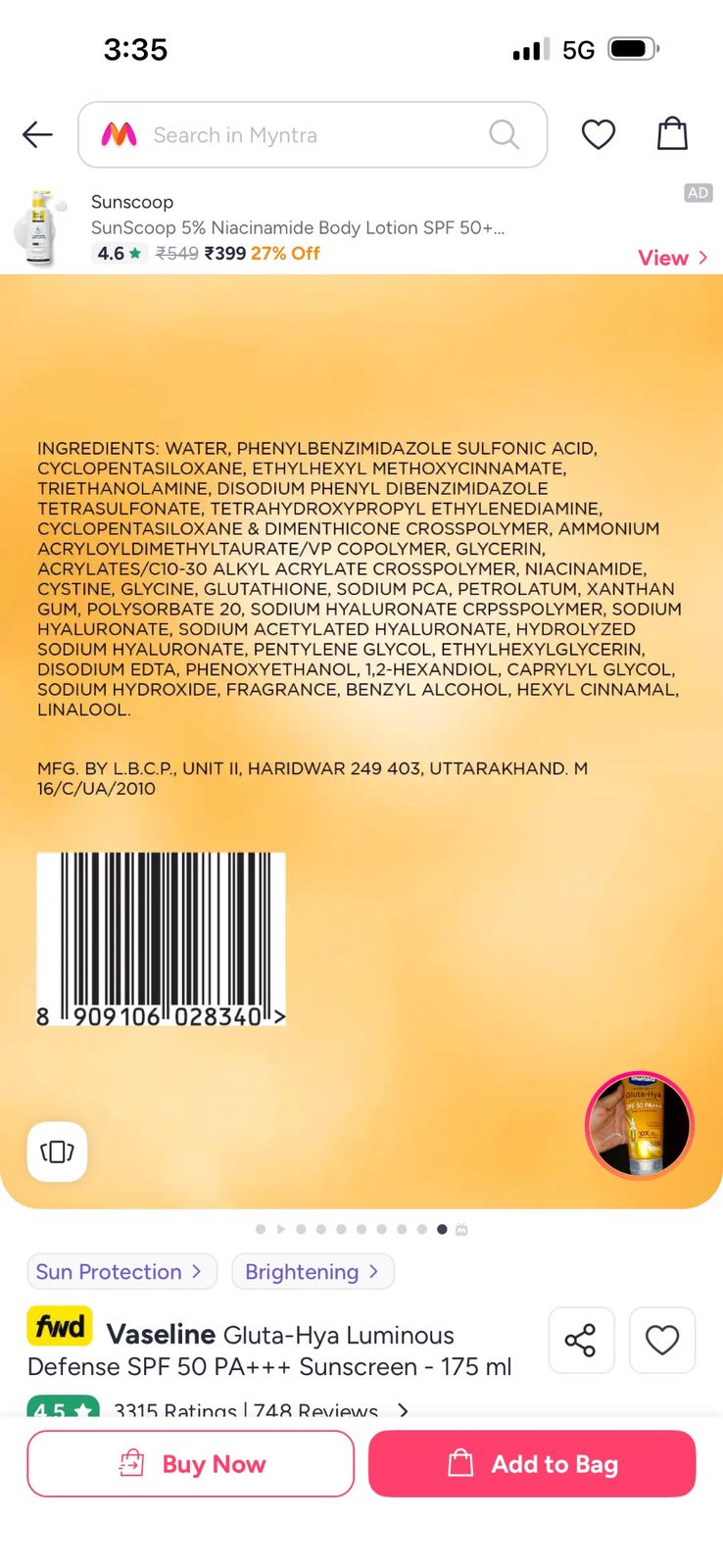
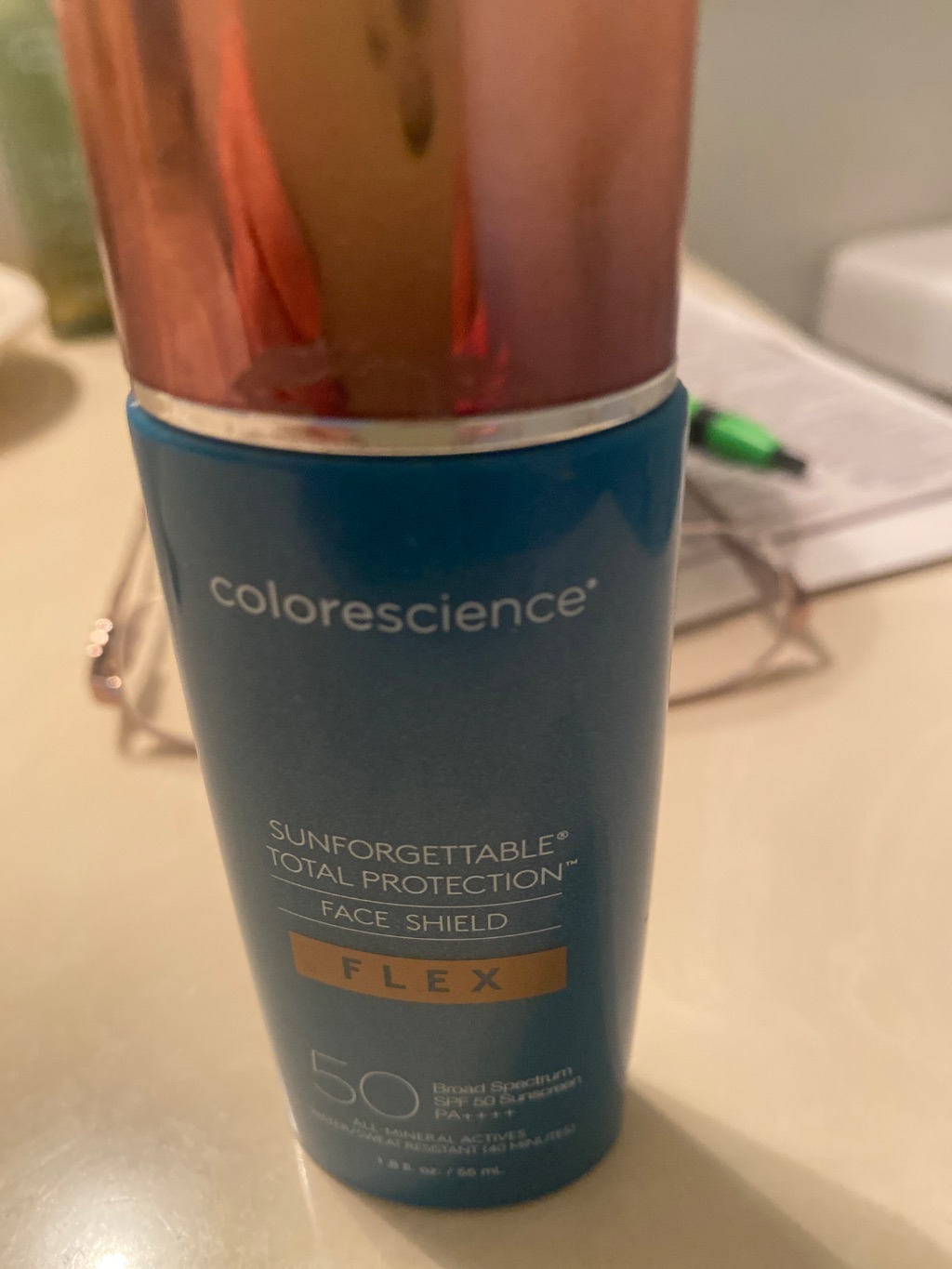
What is Unknown Product (Inactive Ingredients Label)?
This product is a leave-on personal care item, likely a lotion, cream, or serum, designed to remain on the skin for an extended period. It's marketed towards general consumers seeking hydration and perhaps the benefits of botanical extracts. As a personal care product, its primary function is to interact with the skin's surface, making ingredient safety and potential absorption key considerations for users.
The ingredient breakdown
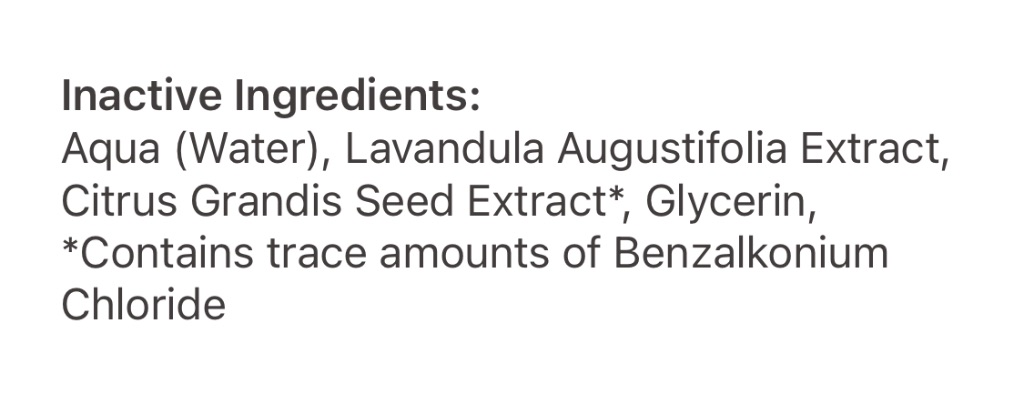
The formulation of Unknown Product (Inactive Ingredients Label) is relatively straightforward, featuring a modest number of ingredients. It leans heavily on plant-derived components and well-known humectants, though it does include an antimicrobial agent that warrants closer examination for its potential effects on skin health.
The base of this product is Aqua (Water), serving as the primary solvent. It also features Glycerin, a widely recognized and highly effective humectant. Glycerin works by drawing moisture from the air into the skin's outer layer, providing hydration and supporting the skin barrier. Additionally, the formula includes botanical extracts such as Lavandula Angustifolia (Lavender) Extract and Citrus Grandis (Grapefruit) Seed Extract. These are often included for their purported soothing or antioxidant properties, though their efficacy can vary and they are generally considered safe for topical use.
A notable ingredient in this product is Benzalkonium Chloride. This compound functions primarily as an antimicrobial agent, preventing the growth of bacteria, yeasts, and molds to extend the product's shelf life. While effective as a preservative, Benzalkonium Chloride is a quaternary ammonium compound that can be a skin irritant, particularly for individuals with sensitive skin or conditions like eczema. The FDA permits its use in certain over-the-counter drugs and cosmetics, but its potential to disrupt the skin's natural microbiome, the beneficial bacteria living on the skin, is a growing area of concern among dermatologists.
What this means for your health
For most individuals, using Unknown Product (Inactive Ingredients Label) as intended is unlikely to pose significant health risks. The presence of Glycerin and botanical extracts offers potential benefits for skin hydration and general well-being. However, the inclusion of Benzalkonium Chloride means that individuals with sensitive skin, a history of contact dermatitis, or those concerned about their skin's microbiome should exercise caution. Repeated exposure to this antimicrobial agent could potentially lead to irritation or an imbalance in beneficial skin flora.
The realistic exposure risk for an average consumer is generally low for severe adverse effects, given its trace amounts and topical application. However, for vulnerable populations, such as very young children whose skin barriers are still developing, or pregnant individuals who may experience increased skin sensitivity, it might be prudent to consider alternatives, especially if used frequently or over large body areas. Always patch test new products if you have known sensitivities.
Safer alternatives to consider
When seeking safer alternatives in the personal care category, look for products that prioritize gentle, non-irritating preservatives. Options like phenoxyethanol, sodium benzoate, or potassium sorbate are often considered milder choices than quaternary ammonium compounds like Benzalkonium Chloride. Additionally, opt for formulas that are explicitly labeled "fragrance-free" to avoid potential sensitivities, and those that focus on well-established humectants and emollients without a long list of less-understood botanical extracts, unless certified organic and specifically chosen for known benefits.
The bottom line
Unknown Product (Inactive Ingredients Label) offers a hydrating base with beneficial plant extracts, making it a reasonable choice for many. The primary concern lies with Benzalkonium Chloride, a preservative that could irritate sensitive skin and potentially impact the skin microbiome. For those without sensitivities, it's likely fine, but individuals with delicate skin or concerns about microbiome health might prefer alternatives. Ultimately, it's a product to use with awareness, especially if you have a history of skin reactivity.