PERSONAL CARE ANALYSIS

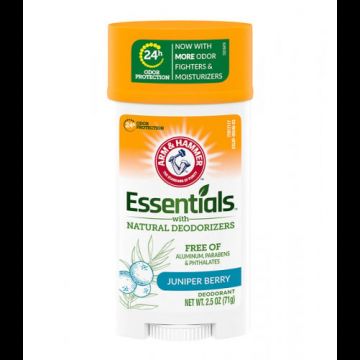
Unknown Personal Care Product (Deodorant/Stick)

AI-Powered Safety Report · SafeShelf

🌐 This is a public scan General scans are publicly accessible and may appear in search engines and the community Discover gallery. Do not upload labels containing personal information. If you want a private analysis tailored to your health, create a free account and use Personalised Scanning →
⚕️ Data Aggregation & Medical Disclaimer SafeShelf is a technology platform, not a medical provider. This analysis is generated by an AI system that aggregates public regulatory data (such as EU and FDA databases) and is provided for educational and informational purposes only. It is not medical advice, a clinical diagnosis, or a substitute for professional healthcare guidance. SafeShelf has no doctors on staff and cannot guarantee the accuracy of AI-generated assessments.

Do not make health, dietary, or medical decisions based solely on this report. Always consult a qualified healthcare professional — especially if you have a medical condition, are pregnant, take prescription medications, or are acting on behalf of an infant or child.

72
Good
Unknown Personal Care Product (Deodorant/Stick)
underarm deodorant high confidence

This product is a standard deodorant stick formulated with a glycerin and glycol base. It contains several fragrance allergens common in scented personal care products, but avoids high-risk ingredients like aluminum salts or parabens.

📊 Score Breakdown
Absorption Zone Risk
35% of overall
95
The formula is free from aluminum chlorohydrate and other common antiperspirant actives.
Toxic Chemical Presence
25% of overall
90
No high-risk chemicals like triclosan or benzene detected.
Ingestion Risk
20% of overall
100
Not applicable to underarm products.
Fragrance Load
15% of overall
40
Contains multiple fragrance allergens (Citronellol, Coumarin, Geraniol, Hexyl Cinnamal) which may cause contact dermatitis in sensitive individuals.
Microbiome Impact
5% of overall
90
Does not contain harsh antibacterial agents that disrupt skin flora.
🚨 Critical Warnings
Contains multiple fragrance allergens; perform a patch test if you have sensitive skin.
✅ What's Good
  • Contains Niacinamide for skin barrier support
  • Contains Tocopheryl Acetate (Vitamin E) for antioxidant protection
  • Glycerin-based formula is hydrating and gentle
🥜 Allergens Detected

These are personal risks — they are not universally harmful. People without these allergies or intolerances are unaffected.

Alpha-Isomethyl Ionone Citronellol Coumarin Geraniol Hexyl Cinnamal
⚠️ Flagged Ingredients
Parfum MEDIUM
Generic term for undisclosed fragrance chemicals; potential for sensitization.
Fragrance Allergens (Citronellol, Coumarin, Geraniol, Hexyl Cinnamal) MEDIUM
Known contact allergens that can cause skin irritation or allergic reactions.
🔬 Full Ingredient Breakdown

Every identified ingredient classified by safety level.

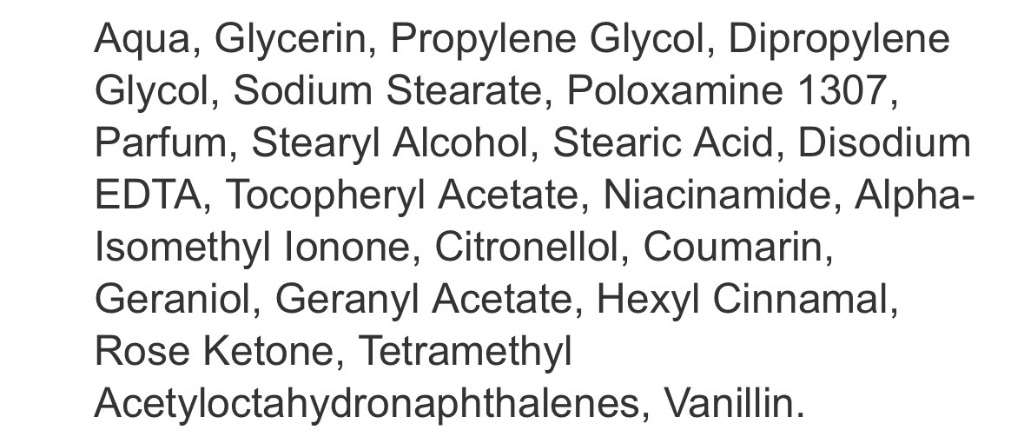
Aqua safe
Glycerin beneficial
Propylene Glycol safe
Dipropylene Glycol safe
Sodium Stearate safe
Poloxamine 1307 safe
Parfum moderate
Stearyl Alcohol beneficial
Stearic Acid beneficial
Disodium EDTA safe
Tocopheryl Acetate beneficial
Niacinamide beneficial
Alpha-Isomethyl Ionone allergen
Citronellol allergen
Coumarin allergen
Geraniol allergen
Geranyl Acetate allergen
Hexyl Cinnamal allergen
Rose Ketone moderate
Tetramethyl Acetyloctahydronaphthalenes moderate
Vanillin safe
💡 Recommendations
  • Discontinue use if redness or itching occurs in the underarm area.
  • Store in a cool, dry place to maintain the stability of the stearate-based stick.
📚 Regulatory & Toxicological Context

The analysis for Unknown Personal Care Product (Deodorant/Stick) relies on aggregated data from global regulatory bodies. When evaluating products in the personal-care category, our AI cross-references ingredients against databases such as the European Chemicals Agency (ECHA), the US Food and Drug Administration (FDA) GRAS list, and the International Agency for Research on Cancer (IARC).

Consumer products often contain complex chemical formulations. While individual ingredients may be legally permitted in certain jurisdictions, emerging toxicological research frequently highlights the risks of bioaccumulation, endocrine disruption, and gut microbiome degradation. SafeShelf's mission is to provide transparent, accessible translations of these complex chemical nomenclatures so consumers can make informed decisions about their household exposure.

⚕️ Reminder: This AI report is for informational purposes only and does not replace professional medical advice. Ingredient safety can vary based on individual health factors, dosage, product formulation, and applicable regulations in your country. SafeShelf assumes no liability for decisions made based on this analysis.

🔍 Related Scans in this Category

What is Unknown Personal Care Product (Deodorant/Stick)?

This product is an underarm deodorant stick, designed to neutralize body odor rather than prevent sweating. It's typically marketed to a broad consumer base seeking daily freshness. Unlike antiperspirants, which use aluminum compounds to block sweat ducts, deodorants primarily rely on fragrance and sometimes antibacterial agents to mask or reduce odor-causing bacteria. This particular formulation appears to be a glycerin and glycol-based stick, common for its smooth application and moisturizing properties, aiming for gentle skin contact.

The ingredient breakdown

This deodorant stick features a relatively straightforward ingredient profile, built on a hydrating glycerin and glycol base. While it notably avoids high-risk ingredients like aluminum salts and parabens, a significant portion of its formulation is dedicated to fragrance, including several known allergens.

The foundation of this deodorant includes Aqua (water), Glycerin, Propylene Glycol, and Dipropylene Glycol. Glycerin is a humectant, drawing moisture into the skin, while propylene and dipropylene glycol act as solvents and humectants, helping to dissolve other ingredients and maintain product consistency. Sodium Stearate and Poloxamine 1307 contribute to the stick's solid structure and smooth application. These ingredients are generally recognized as safe by regulatory bodies like the FDA for use in cosmetics, primarily serving to create the product's texture and aid in ingredient delivery.

This formulation includes several ingredients aimed at skin health. Niacinamide, a form of Vitamin B3, is known for its ability to support the skin barrier, reduce inflammation, and improve skin tone. Tocopheryl Acetate, a stable form of Vitamin E, acts as an antioxidant, helping to protect skin cells from damage caused by free radicals. Stearyl Alcohol and Stearic Acid are fatty alcohols and acids that function as emollients, providing a smooth feel and helping to condition the skin. These beneficial ingredients contribute positively to the product's overall skin compatibility.

A notable aspect of this deodorant is its complex fragrance blend, indicated by the generic term Parfum. This umbrella term can encompass dozens of individual chemicals, some of which are known contact allergens. Specifically, the product lists Alpha-Isomethyl Ionone, Citronellol, Coumarin, Geraniol, and Hexyl Cinnamal. These are common fragrance allergens, recognized by regulatory bodies like the EU, which mandates their disclosure when present above certain thresholds due to their potential to cause skin sensitization or allergic reactions like contact dermatitis. While they provide the desired scent, individuals with sensitive skin should be aware of their presence.

The formula also contains Disodium EDTA, a chelating agent that helps improve product stability and efficacy by binding to metal ions. Rose Ketone and Tetramethyl Acetyloctahydronaphthalenes are additional fragrance components, contributing to the overall scent profile. Vanillin is another common fragrance ingredient, often used for its sweet, vanilla-like aroma. These ingredients are generally considered safe in the concentrations typically used in personal care products, though their primary role is often to enhance the product's aesthetic qualities or stability.

What this means for your health

For most individuals, this deodorant stick presents a relatively low risk profile, particularly because it avoids aluminum salts, which are often a concern for those seeking "natural" or aluminum-free options. The inclusion of skin-beneficial ingredients like Niacinamide and Tocopheryl Acetate is a positive. However, the primary health consideration revolves around the extensive fragrance blend. Individuals with a history of sensitive skin, eczema, or fragrance allergies should exercise caution. Repeated exposure to known allergens like Citronellol or Hexyl Cinnamal can lead to sensitization over time, potentially causing redness, itching, or rashes in the application area.

The realistic exposure risk for an average consumer using this product as intended (daily underarm application) is primarily limited to localized skin reactions. While systemic absorption of fragrance components is generally low, the skin in the underarm area can be more permeable, especially after shaving. Pregnant individuals or those with compromised skin barriers might consider opting for fragrance-free alternatives to minimize any potential for irritation or sensitization. For children, while not explicitly unsafe, fragrance exposure can be a cumulative factor in developing sensitivities later in life, making simpler formulations preferable.

Safer alternatives to consider

When seeking a safer alternative to scented deodorants, prioritize products explicitly labeled "fragrance-free" or "unscented." These options eliminate the risk of exposure to common fragrance allergens like those found in this product. Look for formulations that rely on simple, well-understood ingredients such as baking soda (for odor absorption), magnesium hydroxide, or zinc ricinoleate, combined with a gentle, hydrating base like shea butter or coconut oil. Additionally, ensure the product is free from aluminum compounds if you are specifically avoiding antiperspirants, and check for certifications from organizations that vet for allergen-free or sensitive-skin friendly formulations.

The bottom line

This deodorant stick offers a gentle, aluminum-free option with some beneficial skin-conditioning ingredients. Its main drawback is the presence of multiple fragrance allergens, which could be problematic for sensitive individuals. For the average consumer without fragrance sensitivities, it's a generally acceptable choice. However, if you have a history of skin irritation or are looking to minimize exposure to potential allergens, opting for a truly fragrance-free alternative would be a more prudent decision. It strikes a balance, but the fragrance load is a significant caveat.

❓ Frequently Asked Questions
Is Unknown Personal Care Product safe for sensitive skin?

This deodorant contains several common fragrance allergens, including Citronellol and Hexyl Cinnamal, which can cause irritation or allergic reactions in sensitive individuals. While it avoids harsh antiperspirant actives, those with a history of skin sensitivities should perform a patch test or consider fragrance-free alternatives to minimize risk.

Does Unknown Personal Care Product contain aluminum or parabens?

No, our analysis confirms that this deodorant stick is free from both aluminum salts, commonly found in antiperspirants, and parabens, which are preservatives sometimes associated with health concerns. This makes it a suitable option for consumers actively seeking to avoid these specific ingredients in their personal care products.

What are the main benefits of using this deodorant?

This deodorant offers several benefits, including a hydrating glycerin-based formula and the inclusion of Niacinamide (Vitamin B3) and Tocopheryl Acetate (Vitamin E). Niacinamide supports the skin barrier, while Vitamin E provides antioxidant protection. It's also an aluminum-free option, focusing on odor neutralization rather than sweat inhibition, making it gentler for daily use.

The editorial article above was AI-generated from this product's ingredient analysis. It is for informational purposes only and is not medical advice.

Get a Personalised Analysis

Register free and scans will be tailored to your medications, conditions, and health goals.

Register Free →