PERSONAL
CARE
ANALYSIS
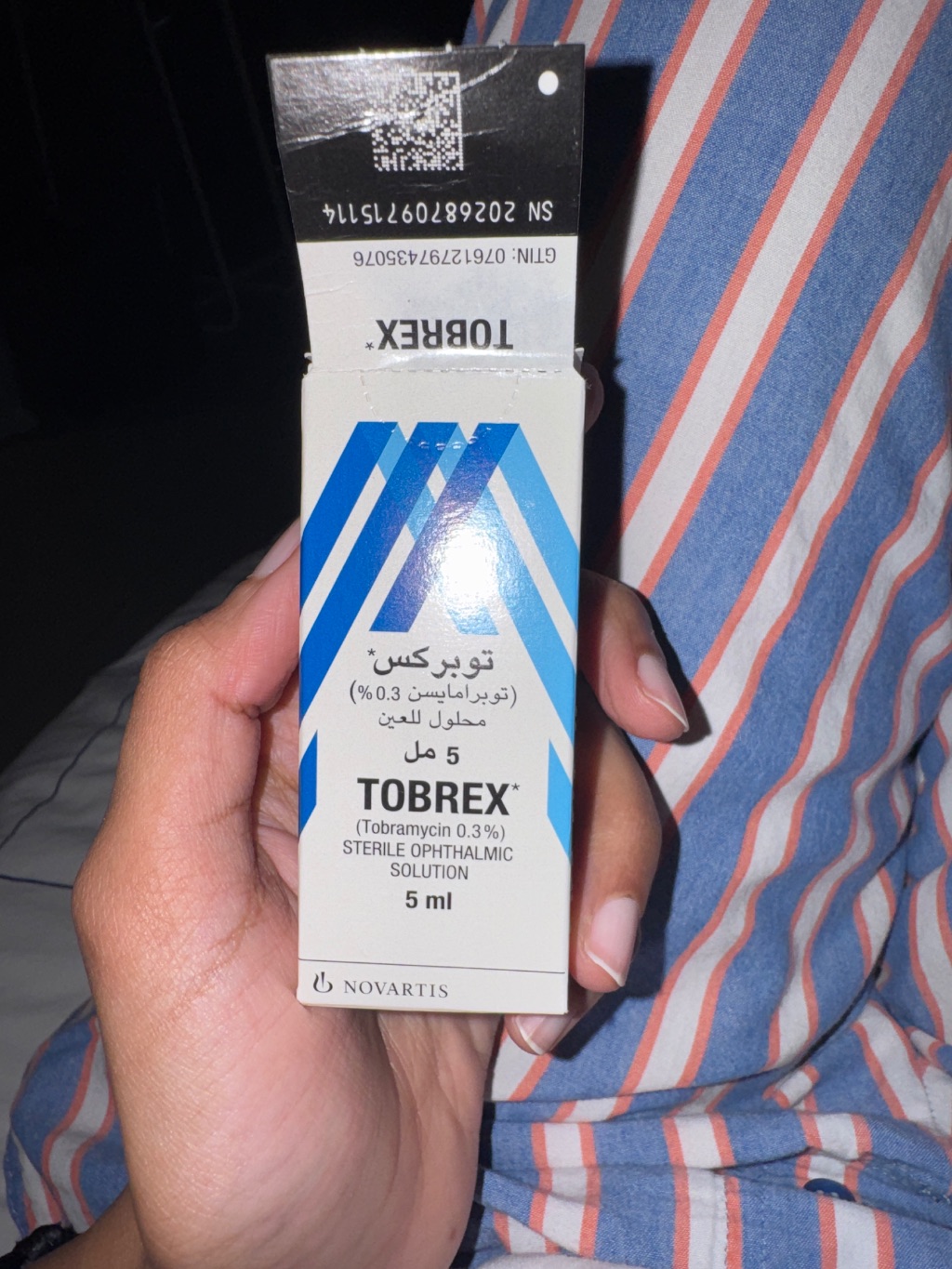
Tobrex (Tobramycin 0.3%) Sterile Ophthalmic Solution
AI-Powered Safety Report · SafeShelf
⚕️ Data Aggregation & Medical Disclaimer
SafeShelf is a technology platform, not a medical provider. This analysis is generated by an AI system that aggregates public regulatory data (such as EU and FDA databases) and is provided for educational and informational purposes only. It is not medical advice, a clinical diagnosis, or a substitute for professional healthcare guidance. SafeShelf has no doctors on staff and cannot guarantee the accuracy of AI-generated assessments.
Do not make health, dietary, or medical decisions based solely on this report. Always consult a qualified healthcare professional — especially if you have a medical condition, are pregnant, take prescription medications, or are acting on behalf of an infant or child.
Do not make health, dietary, or medical decisions based solely on this report. Always consult a qualified healthcare professional — especially if you have a medical condition, are pregnant, take prescription medications, or are acting on behalf of an infant or child.
30
Concerning
Tobrex (Tobramycin 0.3%) Sterile Ophthalmic Solution
prescription antibiotic eye drops
high confidence
Tobrex is a prescription-only antibiotic eye drop containing Tobramycin, used to treat bacterial eye infections. As a potent pharmaceutical agent, it is not a consumer product for general use and carries risks of antibiotic resistance and potential side effects if used improperly.
📊 Score Breakdown
Absorption Zone Risk
30% of overall
20
This is a potent antibiotic medication applied directly to the highly vascularized ocular tissue; it must only be used under medical supervision.
Toxic Chemical Presence
25% of overall
30
Contains active pharmaceutical ingredients that can cause local irritation or systemic effects if absorbed.
Ingestion Risk
20% of overall
50
Not intended for ingestion; accidental swallowing of eye drops can cause gastrointestinal distress.
Fragrance Load
15% of overall
100
Product is fragrance-free.
Microbiome Impact
10% of overall
20
Antibiotics disrupt the natural ocular flora and carry a risk of promoting antibiotic-resistant bacteria.
🚨 Critical Warnings
⚠️ CRITICAL: This is a prescription antibiotic. Do not use without a doctor's diagnosis.
⚠️ RISK: Prolonged use may result in overgrowth of non-susceptible organisms, including fungi.
⚠️ WARNING: Do not share eye drops with others to prevent cross-contamination.
✅ What's Good
- ✓Effective treatment for bacterial conjunctivitis and other ocular infections
- ✓Sterile formulation
⚠️ Flagged Ingredients
Tobramycin
HIGH
Potent aminoglycoside antibiotic; requires medical oversight to prevent resistance and toxicity.
🔬 Full Ingredient Breakdown
Every identified ingredient classified by safety level.
Tobramycin
harmful
💡 Recommendations
- →Use only as prescribed by your ophthalmologist or physician.
- →Complete the full course of treatment even if symptoms improve.
- →Discard the bottle after the expiration date or 28 days after opening, as per standard ophthalmic safety guidelines.
⚕️ Reminder: This AI report is for informational purposes only and does not replace
professional medical advice. Ingredient safety can vary based on individual health factors, dosage,
product formulation, and applicable regulations in your country. SafeShelf assumes no liability for
decisions made based on this analysis.