
What is Unknown Brand Concealer/Cosmetic?
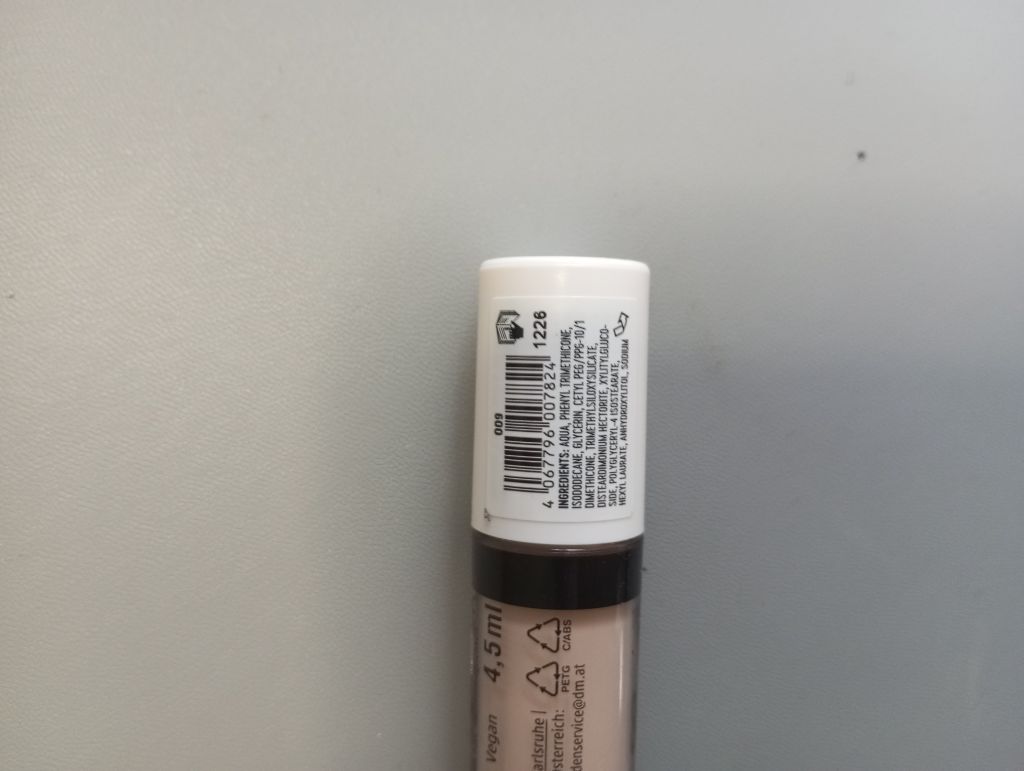
This product is a leave-on cosmetic, likely a concealer or foundation, designed for facial application. It aims to provide coverage and a smooth finish, primarily utilizing a silicone-based formula. Marketed to individuals seeking to even out skin tone or conceal imperfections, it falls into the everyday makeup category, distinct from skincare treatments or sunscreens.
The ingredient breakdown
The Unknown Brand Concealer/Cosmetic features a relatively streamlined ingredient list, comprising primarily silicones, emollients, and humectants. With a focus on texture and skin feel, it avoids many common irritants, though one ingredient warrants a closer look regarding potential manufacturing byproducts.
Silicones and Emollients: Ingredients like Phenyl Trimethicone, Isododecane, Trimethylsiloxysilicate, and Disteardimonium Hectorite are key to this product's performance. These silicones and emollients provide a smooth application, a non-greasy feel, and help the product spread evenly and stay on the skin. Silicones form a breathable barrier, enhancing wear and blurring imperfections without feeling heavy. They are generally considered safe by regulatory bodies like the FDA for cosmetic use, are non-comedogenic, and rarely associated with skin irritation.
Hydrators and Texture Enhancers: The formula includes Aqua (water) as its base, alongside Glycerin, Xylitylglucoside, and Anhydroxylitol. Glycerin is a well-known humectant, drawing moisture into the skin to keep it hydrated. Xylitylglucoside and Anhydroxylitol are sugar-derived humectants that work synergistically with glycerin to boost skin hydration. Polyglyceryl-4 Isostearate and Hexyl Laurate act as emollients and emulsifiers, helping to blend oil and water components and provide a soft skin feel. These ingredients are widely recognized as safe and beneficial for skin health, contributing to the product's hydrating properties and smooth texture without posing significant health concerns.
The PEG Compound: The ingredient Cetyl PEG/PPG-10/1 Dimethicone functions as an emulsifier, helping to mix oil and water components and contributing to the product's smooth texture. While polyethylene glycols (PEGs) themselves are generally considered safe, the concern with PEG compounds is the potential for trace contamination with 1,4-dioxane, a known animal carcinogen and probable human carcinogen. This byproduct can occur during the ethoxylation process used in manufacturing. While the FDA encourages manufacturers to remove 1,4-dioxane, it is not strictly regulated in cosmetics. The risk from trace amounts in a single product is generally considered low, but cumulative exposure from multiple products containing ethoxylated ingredients could be a concern for some consumers.
What this means for your health
For the average consumer, using Unknown Brand Concealer/Cosmetic as intended presents a relatively low health risk. The product's formulation is notably free from common endocrine disruptors like parabens and phthalates, and it contains no added fragrance, which is a frequent cause of skin irritation and allergic reactions. The primary concern, the potential for trace 1,4-dioxane from Cetyl PEG/PPG-10/1 Dimethicone, is generally considered a low-level exposure. Regulatory bodies like the FDA acknowledge this potential but do not prohibit these ingredients, suggesting that typical use does not pose a significant threat.
However, individuals with heightened sensitivities or those who prefer to avoid all potential contaminants might exercise caution. Pregnant individuals or those with compromised immune systems may also choose to minimize exposure to any ingredient with even a low-level risk profile. While the product offers hydrating benefits through glycerin, it doesn't provide advanced skincare actives, meaning it's primarily a cosmetic for coverage rather than a treatment product. The realistic exposure risk for most users is minimal, given the low concentration of the potentially problematic ingredient and the product's overall clean profile regarding common irritants.
Safer alternatives to consider
When seeking a safer alternative to a silicone-based cosmetic like this concealer, prioritize products that explicitly state they are 1,4-dioxane-free, especially if you are concerned about trace contaminants. Look for formulations that use naturally derived emulsifiers or those that avoid ethoxylated ingredients altogether. Opt for products with minimal ingredient lists, focusing on mineral-based pigments and plant-derived emollients. Always choose fragrance-free options to reduce the risk of irritation and sensitization, and consider brands with strong transparency commitments regarding their sourcing and manufacturing processes.
The bottom line
Unknown Brand Concealer/Cosmetic offers a generally safe and effective option for daily makeup, particularly for those sensitive to fragrance or common endocrine disruptors. Its silicone-based formula provides a smooth finish and good wear, with beneficial hydrating ingredients like glycerin. While the presence of Cetyl PEG/PPG-10/1 Dimethicone introduces a low-level concern for potential 1,4-dioxane contamination, for most consumers, this risk is minimal. Overall, it's a reasonable choice, but those seeking absolute purity might explore alternatives that guarantee the absence of all ethoxylated compounds.