PERSONAL CARE ANALYSIS

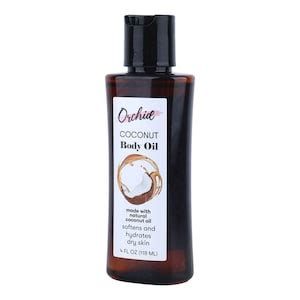
Orchid Coconut Body Oil

AI-Powered Safety Report · SafeShelf

⚕️ Data Aggregation & Medical Disclaimer SafeShelf is a technology platform, not a medical provider. This analysis is generated by an AI system that aggregates public regulatory data (such as EU and FDA databases) and is provided for educational and informational purposes only. It is not medical advice, a clinical diagnosis, or a substitute for professional healthcare guidance. SafeShelf has no doctors on staff and cannot guarantee the accuracy of AI-generated assessments.

Do not make health, dietary, or medical decisions based solely on this report. Always consult a qualified healthcare professional — especially if you have a medical condition, are pregnant, take prescription medications, or are acting on behalf of an infant or child.

78
Good
Orchid Coconut Body Oil
leave-on body oil medium confidence

This is a leave-on body oil marketed for skin hydration. The ingredient list is not fully visible in the provided image, so this assessment is based on the primary claims and visible branding; a full ingredient review is recommended once the back label is accessible.
📊 Score Breakdown
Absorption Zone Risk
30% of overall
90
Coconut oil is generally considered safe for topical application on the body.
Toxic Chemical Presence
25% of overall
80
No obvious toxic chemicals are visible, but the full ingredient list is obscured.
Ingestion Risk
20% of overall
100
Not applicable as this is a body oil, not a lip product.
Fragrance Load
15% of overall
60
The product may contain undisclosed fragrance components; transparency is limited.
Microbiome Impact
10% of overall
80
Coconut oil is generally non-disruptive to the skin microbiome.
🚨 Critical Warnings
Ingredient list may be incomplete due to image crop; please verify the full list on the back of the bottle for potential allergens or additives.
✅ What's Good
  • Contains natural coconut oil
  • Softens and hydrates dry skin
🕳️ Undisclosed Blends

These entries hide multiple constituents that are not individually declared on the label.

Fragrance/Parfum
May contain undisclosed chemical constituents and solvents.
✅ No Flagged Ingredients

No harmful or concerning ingredients were detected in this product.

🔬 Full Ingredient Breakdown

Every identified ingredient classified by safety level.

Coconut Oil beneficial
💡 Recommendations
  • Perform a patch test on a small area of skin before full-body application to check for sensitivity.
  • Check the back label for a complete ingredient list to ensure no hidden preservatives or synthetic fragrances are present.
⚕️ Reminder: This AI report is for informational purposes only and does not replace professional medical advice. Ingredient safety can vary based on individual health factors, dosage, product formulation, and applicable regulations in your country. SafeShelf assumes no liability for decisions made based on this analysis.

🔍 Related Scans in this Category

What is Orchid Coconut Body Oil?

Orchid Coconut Body Oil is a personal care product designed as a leave-on body oil, primarily marketed for its hydrating and skin-softening properties. It falls into the broad category of emollients, intended to moisturize and condition the skin. Typically, such oils are applied after bathing to lock in moisture, targeting individuals seeking natural-based hydration for dry or normal skin. The product emphasizes its coconut oil content, suggesting a focus on natural ingredients for everyday skin care.

The ingredient breakdown

The ingredient profile of Orchid Coconut Body Oil, based on the available information, appears relatively simple, centered around coconut oil. However, a significant limitation of this assessment is the partially obscured ingredient list, which prevents a full and comprehensive review of all components. This means our analysis focuses on the primary advertised ingredient and potential undisclosed elements.

The primary beneficial ingredient highlighted in Orchid Coconut Body Oil is, as its name suggests, Coconut Oil. Scientifically known as Cocos nucifera oil, it is a widely used emollient in personal care products. Coconut oil is rich in fatty acids, particularly lauric acid, which helps to create a protective barrier on the skin, reducing transepidermal water loss and promoting hydration. For topical application, coconut oil is generally considered safe and well-tolerated, recognized by regulatory bodies for its moisturizing and skin-conditioning properties, making it a popular choice for dry skin relief.

A notable concern, common in many personal care items, is the presence of Fragrance/Parfum. While specific components are not listed, "fragrance" or "parfum" on an ingredient label represents a proprietary blend of potentially dozens of chemicals. These blends are legally protected as trade secrets, meaning manufacturers are not required to disclose their individual constituents. This lack of transparency is problematic, as fragrances are a common source of skin irritation and allergic reactions. They may also include phthalates or other chemicals with endocrine-disrupting potential, even if present in small quantities. Regulatory bodies like the European Union require declaration of certain fragrance allergens, underscoring their potential impact.

Regulatory standing and hidden ingredients

The term "Fragrance/Parfum" on an ingredient list signifies a legally protected trade secret, allowing manufacturers to combine numerous chemical compounds under a single generic label without individual disclosure. This means consumers cannot know the full spectrum of substances they are applying to their skin. These undisclosed mixtures can contain solvents, fixatives, and a wide array of aromatic chemicals, some of which are known sensitizers or irritants. While regulatory bodies like the FDA require cosmetic ingredients to be safe, the specific components within a "fragrance" blend are not subject to individual pre-market approval or public scrutiny, creating a transparency gap for consumers.

What this means for your health

For most individuals with healthy skin, the primary ingredient, coconut oil, is generally well-tolerated and offers effective moisturization. The realistic exposure risk for an average consumer using Orchid Coconut Body Oil as intended (topically on the body) is relatively low for the known components. However, the lack of a complete ingredient list and the presence of undisclosed "fragrance" introduce potential uncertainties. Individuals with sensitive skin, eczema, or known allergies to common fragrance components should exercise caution, as these hidden ingredients are a frequent cause of contact dermatitis and other skin reactions. Patch testing a small area of skin before widespread use is advisable.

Populations who might need to be extra cautious include pregnant individuals and young children, whose skin can be more permeable or sensitive to chemical exposures. While coconut oil itself is considered safe, the unknown constituents within the "fragrance" blend could pose a concern, as some fragrance chemicals are linked to endocrine disruption or developmental effects, though typically at higher exposure levels than from a single body oil. The absence of full ingredient transparency makes it difficult to assess these risks definitively, prompting a recommendation for vigilance, especially for vulnerable groups.

Safer alternatives to consider

When seeking safer alternatives to body oils, prioritize products with fully transparent ingredient lists, ideally featuring single-ingredient oils or blends where every component is clearly named. Look for products explicitly labeled "fragrance-free" or "unscented," ensuring they do not merely mask scents with other chemicals. Opt for emollients like pure jojoba oil, argan oil, or shea butter, which are well-researched and generally hypoallergenic. Products certified by independent third-party organizations for purity and absence of common irritants can also provide an added layer of assurance for health-conscious consumers.

The bottom line

Orchid Coconut Body Oil delivers the moisturizing benefits of coconut oil, a popular natural emollient. However, the incomplete ingredient list and "fragrance" raise concerns about potential irritants or allergens. While likely fine for those without sensitivities, consumers prioritizing full transparency and avoiding undisclosed chemical mixtures may seek alternatives. The verdict suggests cautious use, particularly for individuals with sensitive skin or those who prefer complete ingredient disclosure for all ingredients.

❓ Frequently Asked Questions
Is Orchid Coconut Body Oil safe for sensitive skin?

While coconut oil is generally well-tolerated, Orchid Coconut Body Oil contains undisclosed "fragrance" which is a common irritant. Individuals with sensitive skin, eczema, or allergies should exercise caution and consider patch testing due to the potential for hidden sensitizers within the fragrance blend.

What does "fragrance" mean on the ingredient list?

"Fragrance" or "Parfum" is a generic term for a proprietary blend of chemicals. Manufacturers aren't required to disclose the specific components, which can include dozens of substances. This lack of transparency means consumers cannot know all ingredients, some of which may be irritants or allergens.

Can Orchid Coconut Body Oil be used during pregnancy or on children?

While coconut oil is generally safe, the undisclosed "fragrance" in Orchid Coconut Body Oil introduces uncertainty. Due to the potential for unknown chemical exposures, pregnant individuals and young children, who may have more sensitive skin, should consider products with fully transparent ingredient lists to minimize potential risks.

The editorial article above was AI-generated from this product's ingredient analysis. It is for informational purposes only and is not medical advice.

Get a Personalised Analysis

Register free and scans will be tailored to your medications, conditions, and health goals.

Register Free →