PERSONAL CARE ANALYSIS

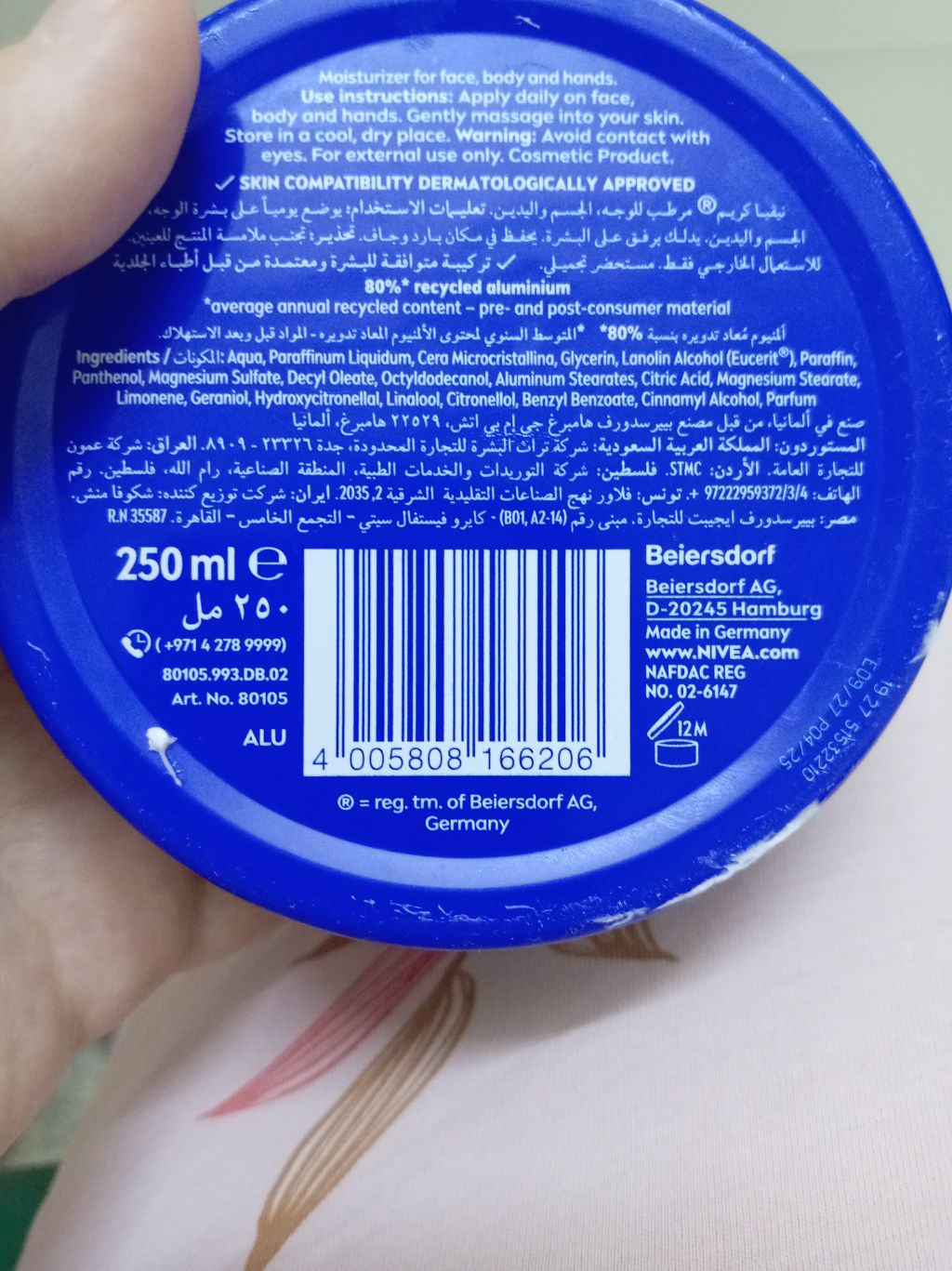
Nivea Creme

AI-Powered Safety Report · SafeShelf

🌐 This is a public scan General scans are publicly accessible and may appear in search engines and the community Discover gallery. Do not upload labels containing personal information. If you want a private analysis tailored to your health, create a free account and use Personalised Scanning →
⚕️ Data Aggregation & Medical Disclaimer SafeShelf is a technology platform, not a medical provider. This analysis is generated by an AI system that aggregates public regulatory data (such as EU and FDA databases) and is provided for educational and informational purposes only. It is not medical advice, a clinical diagnosis, or a substitute for professional healthcare guidance. SafeShelf has no doctors on staff and cannot guarantee the accuracy of AI-generated assessments.

Do not make health, dietary, or medical decisions based solely on this report. Always consult a qualified healthcare professional — especially if you have a medical condition, are pregnant, take prescription medications, or are acting on behalf of an infant or child.

82
Excellent
Nivea Creme
leave-on moisturiser high confidence

This is a classic, widely-used leave-on moisturiser for face, body, and hands. It relies on a traditional occlusive and emollient base, which is generally safe for most skin types, though it contains fragrance and paraffin-based ingredients that may not suit those with highly sensitive or acne-prone skin.

📊 Score Breakdown
Absorption Zone Risk
30% of overall
90
The formula uses standard cosmetic emollients with no high-risk penetration enhancers or antiperspirant actives.
Toxic Chemical Presence
25% of overall
85
Contains paraffinum liquidum and microcrystalline wax, which are safe, highly refined cosmetic-grade mineral oils.
Ingestion Risk
20% of overall
100
Not applicable as this is a topical body/face cream.
Fragrance Load
15% of overall
50
Contains 'Parfum' and several fragrance allergens (Limonene, Geraniol, etc.), which are common triggers for contact dermatitis.
Microbiome Impact
10% of overall
90
Does not contain harsh antibacterial agents that would disrupt the skin barrier.
🚨 Critical Warnings
Contains fragrance allergens; perform a patch test if you have sensitive skin or a history of contact dermatitis.
✅ What's Good
  • Glycerin: Highly effective humectant for skin hydration
  • Panthenol: Known for soothing and skin-conditioning properties
  • Lanolin Alcohol: Excellent emollient for dry skin repair
🥜 Allergens Detected

These are personal risks — they are not universally harmful. People without these allergies or intolerances are unaffected.

Limonene Geraniol Hydroxycitronellal Linalool Citronellol Benzyl Benzoate Cinnamyl Alcohol
🕳️ Undisclosed Blends

These entries hide multiple constituents that are not individually declared on the label.

Parfum
Can hide dozens of undisclosed fragrance chemicals and solvents.
⚠️ Flagged Ingredients
Parfum MEDIUM
Undisclosed fragrance blend; common cause of skin sensitization and contact dermatitis.
Fragrance Allergens (Limonene, Geraniol, etc.) MEDIUM
Known contact allergens; EU regulation requires disclosure when present above specific thresholds.
🔬 Full Ingredient Breakdown

Every identified ingredient classified by safety level.

Aqua safe
Paraffinum Liquidum safe
Cera Microcristallina safe
Glycerin beneficial
Lanolin Alcohol beneficial
Paraffin safe
Panthenol beneficial
Magnesium Sulfate safe
Decyl Oleate safe
Octyldodecanol safe
Aluminum Stearates safe
Citric Acid safe
Magnesium Stearate safe
Limonene allergen
Geraniol allergen
Hydroxycitronellal allergen
Linalool allergen
Citronellol allergen
Benzyl Benzoate allergen
Cinnamyl Alcohol allergen
Parfum moderate
💡 Recommendations
  • Use as a daily moisturizer for dry areas.
  • If you experience redness or itching, discontinue use as the fragrance components may be causing irritation.
📚 Regulatory & Toxicological Context

The analysis for Nivea Creme relies on aggregated data from global regulatory bodies. When evaluating products in the personal-care category, our AI cross-references ingredients against databases such as the European Chemicals Agency (ECHA), the US Food and Drug Administration (FDA) GRAS list, and the International Agency for Research on Cancer (IARC).

Consumer products often contain complex chemical formulations. While individual ingredients may be legally permitted in certain jurisdictions, emerging toxicological research frequently highlights the risks of bioaccumulation, endocrine disruption, and gut microbiome degradation. SafeShelf's mission is to provide transparent, accessible translations of these complex chemical nomenclatures so consumers can make informed decisions about their household exposure.

⚕️ Reminder: This AI report is for informational purposes only and does not replace professional medical advice. Ingredient safety can vary based on individual health factors, dosage, product formulation, and applicable regulations in your country. SafeShelf assumes no liability for decisions made based on this analysis.

🔍 Related Scans in this Category

What is Nivea Creme?

Nivea Creme is a classic, rich, and widely recognized leave-on moisturizer designed for comprehensive hydration of the face, body, and hands. Marketed to a broad audience seeking intensive moisture, it falls into the category of occlusive emollients. Its traditional formulation aims to create a protective barrier on the skin, preventing moisture loss and promoting softness. This product is a staple in many households, known for its distinctive scent and thick consistency, providing a long-lasting moisturizing effect for various skin types, though some ingredients may warrant closer inspection for those with sensitivities.

The ingredient breakdown

Nivea Creme features a relatively straightforward ingredient list, primarily composed of a blend of emollients and humectants. The formulation is built upon a foundation of mineral oils and waxes, designed to provide a robust occlusive barrier, complemented by hydrating and skin-conditioning agents. The most notable aspect for many consumers, however, is the inclusion of a fragrance blend and several common fragrance allergens.

The core of Nivea Creme's moisturizing power comes from its emollient and humectant ingredients. Glycerin acts as a highly effective humectant, drawing moisture into the skin to enhance hydration. Panthenol, a form of Vitamin B5, is included for its well-known soothing and skin-conditioning properties, helping to calm irritation and support skin barrier repair. Additionally, Lanolin Alcohol serves as an excellent emollient, aiding in the repair of dry skin. The product also contains a significant amount of mineral oil derivatives like Paraffinum Liquidum, Cera Microcristallina, and Paraffin. These highly refined, cosmetic-grade mineral oils and waxes are considered safe and effective occlusive agents by regulatory bodies like the FDA, forming a protective layer on the skin to prevent water loss.

A primary area of concern for some consumers is the presence of Parfum (fragrance) and several specific fragrance allergens. While fragrance provides the product's signature scent, "Parfum" is a legally protected term that can represent a complex mixture of dozens of undisclosed chemicals. Within this blend, Nivea Creme explicitly lists several known contact allergens, including Limonene, Geraniol, Hydroxycitronellal, Linalool, Citronellol, Benzyl Benzoate, and Cinnamyl Alcohol. These substances are recognized by dermatologists and regulatory bodies like the EU for their potential to cause skin sensitization and allergic contact dermatitis, especially in individuals with pre-existing sensitivities. The EU mandates that these specific allergens be disclosed on labels when present above certain thresholds to inform consumers.

Regulatory standing and hidden ingredients

One aspect of Nivea Creme's formulation that warrants attention is the inclusion of "Parfum," which represents an opaque blend of ingredients. Under current regulations in many regions, including the EU and US, "Parfum" or "Fragrance" allows manufacturers to protect trade secrets by not disclosing the individual chemical components that make up the scent. This means that a single "Parfum" entry can conceal dozens of different chemicals, some of which may be sensitizers or irritants, without specific disclosure on the label. For consumers with allergies or sensitivities, this lack of transparency can make it challenging to identify potential triggers, necessitating careful patch testing.

What this means for your health

For the average consumer without known skin sensitivities, Nivea Creme is generally considered safe for regular use. Its primary function is to provide intense hydration and create a protective barrier, which it achieves effectively through its blend of emollients and humectants. The mineral oil-based ingredients are highly refined and have a long history of safe use in cosmetics, posing minimal risk of systemic absorption or toxicity. The realistic exposure risk for most individuals using this product as intended is low, with the main consideration being localized skin reactions.

However, individuals with sensitive skin, a history of eczema, or known allergies to fragrance components should approach Nivea Creme with caution. The presence of "Parfum" and specific fragrance allergens like Limonene and Linalool means there is a moderate risk of developing contact dermatitis or exacerbating existing skin conditions. Pregnant individuals or parents considering this for children should also be mindful of potential sensitivities, though the product itself is not associated with reproductive or developmental toxicity. Performing a patch test on a small area of skin before widespread use is highly recommended for anyone concerned about potential reactions.

Safer alternatives to consider

For consumers seeking alternatives to Nivea Creme, particularly those with sensitive or allergy-prone skin, the key is to look for products with simpler, fragrance-free formulations. Opt for moisturizers that explicitly state "fragrance-free" or "for sensitive skin." Prioritize products where the primary emollients are well-tolerated ingredients like petrolatum, shea butter, or ceramides, and humectants such as hyaluronic acid or glycerin, without the addition of undisclosed fragrance blends or known contact allergens. Products with shorter ingredient lists often reduce the likelihood of encountering potential irritants.

The bottom line

Nivea Creme remains a highly effective and affordable moisturizer, delivering significant hydration through its time-tested blend of occlusive mineral oils and beneficial emollients like glycerin and panthenol. For most users, it offers a reliable solution for dry skin. However, its inclusion of "Parfum" and multiple fragrance allergens presents a moderate concern for individuals with sensitive skin or a predisposition to contact dermatitis. While generally safe, those with sensitivities should opt for fragrance-free alternatives or perform a patch test to avoid potential reactions.

❓ Frequently Asked Questions
Is Nivea Creme safe for daily use on all skin types?

Nivea Creme is generally safe for daily use, especially for those seeking intensive hydration. Its occlusive base effectively prevents moisture loss. However, individuals with highly sensitive skin or a history of fragrance allergies should exercise caution due to the presence of "Parfum" and several common fragrance allergens, which can trigger reactions.

Does Nivea Creme contain any ingredients that might cause allergic reactions?

Yes, Nivea Creme contains "Parfum" (fragrance) and several specific fragrance allergens, including Limonene, Geraniol, and Linalool. These are known contact allergens that can cause skin sensitization or allergic contact dermatitis in susceptible individuals. A patch test is recommended if you have sensitive skin.

What are the main benefits of using Nivea Creme for skin hydration?

Nivea Creme provides significant hydration through ingredients like Glycerin, a powerful humectant that draws moisture into the skin. It also features Panthenol for soothing and skin conditioning, and Lanolin Alcohol as an excellent emollient. Its mineral oil and wax base creates a protective barrier, effectively sealing in moisture to combat dryness.

The editorial article above was AI-generated from this product's ingredient analysis. It is for informational purposes only and is not medical advice.

Get a Personalised Analysis

Register free and scans will be tailored to your medications, conditions, and health goals.

Register Free →