FOOD ANALYSIS

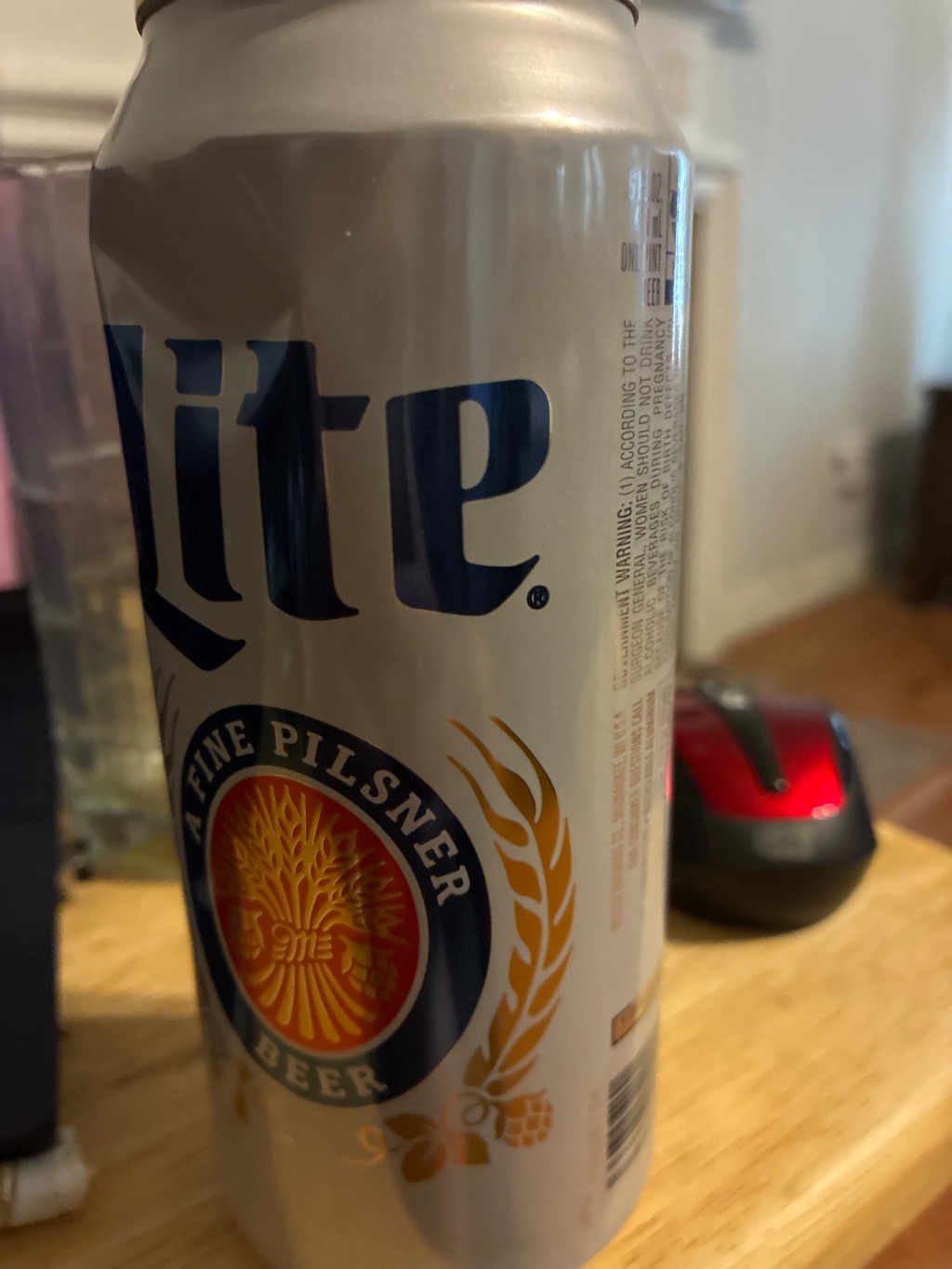
Miller Lite

AI-Powered Safety Report · SafeShelf

🌐 This is a public scan General scans are publicly accessible and may appear in search engines and the community Discover gallery. Do not upload labels containing personal information. If you want a private analysis tailored to your health, create a free account and use Personalised Scanning →
⚕️ Data Aggregation & Medical Disclaimer SafeShelf is a technology platform, not a medical provider. This analysis is generated by an AI system that aggregates public regulatory data (such as EU and FDA databases) and is provided for educational and informational purposes only. It is not medical advice, a clinical diagnosis, or a substitute for professional healthcare guidance. SafeShelf has no doctors on staff and cannot guarantee the accuracy of AI-generated assessments.

Do not make health, dietary, or medical decisions based solely on this report. Always consult a qualified healthcare professional — especially if you have a medical condition, are pregnant, take prescription medications, or are acting on behalf of an infant or child.

45
Moderate
Miller Lite
beer high confidence

This product is a standard light beer. As an alcoholic beverage, it carries inherent health risks related to ethanol consumption, which is classified as a Group 1 carcinogen by the IARC, and it provides empty calories with no significant nutritional value.

📊 Score Breakdown
Additive Safety
25% of overall
80
Standard beer ingredients are generally simple; no artificial colors or high-risk preservatives are typically present.
Sugar Concern
20% of overall
100
Beer typically contains negligible residual sugar after the fermentation process.
Ingredient Quality
20% of overall
60
While made from grains, the product is highly processed and lacks the nutritional profile of whole foods.
Nutritional Value
15% of overall
20
Provides energy (calories) without essential nutrients, fiber, or protein.
Allergen Clarity
10% of overall
50
Contains barley/gluten, which is inherent to the product but may not be explicitly highlighted for sensitive individuals.
Preservative Load
10% of overall
100
Beer is typically preserved through alcohol content and carbonation rather than chemical additives.
🚨 Critical Warnings
Contains alcohol: IARC Group 1 carcinogen.
Contains gluten (barley).
Government warning: Consumption of alcoholic beverages impairs your ability to drive a car or operate machinery and may cause health problems.
🥜 Allergens Detected

These are personal risks — they are not universally harmful. People without these allergies or intolerances are unaffected.

Barley (Gluten)
🍎 Nutrition (per-serving · 12 fl oz)
96 kcal
Energy
0 g
Sugars
0 g
Sat fat
0 g
Salt
0 g
Fibre
1 g
Protein
⚠️ Flagged Ingredients
Ethanol HIGH
IARC Group 1 carcinogen; consumption is linked to increased risk of various cancers and liver disease.
Barley MEDIUM
Contains gluten, which is a significant allergen for individuals with Celiac disease or non-celiac gluten sensitivity.
🔬 Full Ingredient Breakdown

Every identified ingredient classified by safety level.

Water safe
Barley Malt allergen
Corn Syrup moderate
Yeast safe
Hops safe
Ethanol harmful
💡 Recommendations
  • Consume in moderation according to health guidelines.
  • Not suitable for individuals with Celiac disease or gluten intolerance.
📚 Regulatory & Toxicological Context

The analysis for Miller Lite relies on aggregated data from global regulatory bodies. When evaluating products in the food category, our AI cross-references ingredients against databases such as the European Chemicals Agency (ECHA), the US Food and Drug Administration (FDA) GRAS list, and the International Agency for Research on Cancer (IARC).

Consumer products often contain complex chemical formulations. While individual ingredients may be legally permitted in certain jurisdictions, emerging toxicological research frequently highlights the risks of bioaccumulation, endocrine disruption, and gut microbiome degradation. SafeShelf's mission is to provide transparent, accessible translations of these complex chemical nomenclatures so consumers can make informed decisions about their household exposure.

⚕️ Reminder: This AI report is for informational purposes only and does not replace professional medical advice. Ingredient safety can vary based on individual health factors, dosage, product formulation, and applicable regulations in your country. SafeShelf assumes no liability for decisions made based on this analysis.

🔍 Related Scans in this Category

What is Miller Lite?

Miller Lite is a widely recognized American light lager, a type of beer characterized by its lower calorie and carbohydrate content compared to traditional lagers. Marketed primarily to adults, it falls into the broad category of alcoholic beverages. As a fermented grain product, its core components include water, malted barley, corn syrup, hops, and yeast, which collectively undergo a brewing process to produce ethanol.

The ingredient breakdown

Miller Lite features a relatively straightforward ingredient list, typical for a light beer. It primarily consists of water, grains for fermentation, yeast, and hops. The ingredient profile is simple, avoiding artificial colors, flavors, or high-risk preservatives often found in other processed foods and beverages.

The most significant ingredient from a health perspective is Ethanol, the alcohol produced during fermentation. The International Agency for Research on Cancer (IARC), a part of the World Health Organization, classifies ethanol as a Group 1 carcinogen, meaning there is sufficient evidence that it causes cancer in humans. Chronic consumption is linked to an increased risk of various cancers, including those of the mouth, throat, esophagus, liver, and breast, as well as liver disease and other health issues. Ethanol's presence is inherent to beer and is the primary psychoactive component.

The grain base of Miller Lite includes Barley Malt and Corn Syrup. Barley Malt provides the fermentable sugars and contributes to the beer's flavor and body. However, barley naturally contains gluten, making Miller Lite unsuitable for individuals with celiac disease or non-celiac gluten sensitivity. Corn Syrup is used as an additional source of fermentable sugars, which yeast converts into alcohol and carbon dioxide. While often associated with high-fructose corn syrup, the corn syrup used in brewing is typically glucose-rich and is almost entirely consumed by the yeast during fermentation, meaning negligible residual sugar remains in the final product.

Other essential ingredients are Yeast and Hops. Yeast is a microorganism responsible for converting sugars into ethanol and carbon dioxide during fermentation. It is a safe and natural component of brewing. Hops are flowers from the hop plant, added primarily for bitterness, aroma, and as a natural preservative. They contribute significantly to the beer's characteristic flavor profile and are generally considered safe for consumption.

What this means for your health

For most adults, consuming Miller Lite in moderation carries the inherent risks associated with any alcoholic beverage. The primary health concern stems from Ethanol, which is a known carcinogen. Regular or excessive consumption can significantly increase the risk of developing various cancers, liver damage, and other chronic diseases. Furthermore, Miller Lite provides calories (96 per 12 fl oz) with minimal nutritional value, offering little in the way of essential vitamins, minerals, fiber, or protein.

Individuals with specific health conditions or sensitivities should exercise extra caution. Those with celiac disease or gluten sensitivity must avoid Miller Lite due to its Barley Malt content, which contains gluten. Pregnant individuals should abstain from alcohol entirely, as recommended by health authorities, due to the risk of fetal alcohol spectrum disorders. The realistic exposure risk for an average consumer using this product as intended (i.e., in moderation) is primarily related to the cumulative effects of alcohol consumption over time, rather than any immediate acute toxicity from other ingredients.

Safer alternatives to consider

For those looking to reduce health risks associated with alcoholic beverages, several safer alternatives exist. Non-alcoholic beers offer a similar taste experience without the ethanol-related health concerns. Other options include sparkling water with fruit, herbal teas, or kombucha, which can provide flavor and refreshment while potentially offering additional health benefits or, at minimum, avoiding the risks of alcohol. When choosing a beverage, prioritize options that are naturally low in sugar, free from artificial additives, and provide hydration or nutritional value.

The bottom line

Miller Lite is a simple light beer, free from many artificial additives found in other processed foods. However, its core ingredient, ethanol, is an IARC Group 1 carcinogen, and it contains gluten from barley. While moderate consumption may be part of some adults' lifestyles, it's crucial to acknowledge the inherent health risks of alcohol and its lack of nutritional value. For those concerned about health, particularly cancer risk or gluten sensitivity, avoiding or significantly limiting Miller Lite is advisable.

❓ Frequently Asked Questions
Is Miller Lite safe to drink?

Miller Lite contains ethanol, classified as an IARC Group 1 carcinogen, meaning it can increase cancer risk. It also contains gluten from barley, making it unsafe for individuals with celiac disease or gluten sensitivity. Moderate consumption carries inherent health risks associated with alcohol.

Does Miller Lite contain gluten?

Yes, Miller Lite contains gluten. It is brewed with barley malt, a grain that naturally contains gluten. This makes it unsuitable for individuals diagnosed with celiac disease or those who experience non-celiac gluten sensitivity.

What are the main health concerns with Miller Lite?

The primary health concern with Miller Lite is its ethanol content, which is a known carcinogen linked to various cancers and liver disease. It also provides empty calories without significant nutritional value and contains gluten, an allergen for sensitive individuals.

The editorial article above was AI-generated from this product's ingredient analysis. It is for informational purposes only and is not medical advice.

Get a Personalised Analysis

Register free and scans will be tailored to your medications, conditions, and health goals.

Register Free →