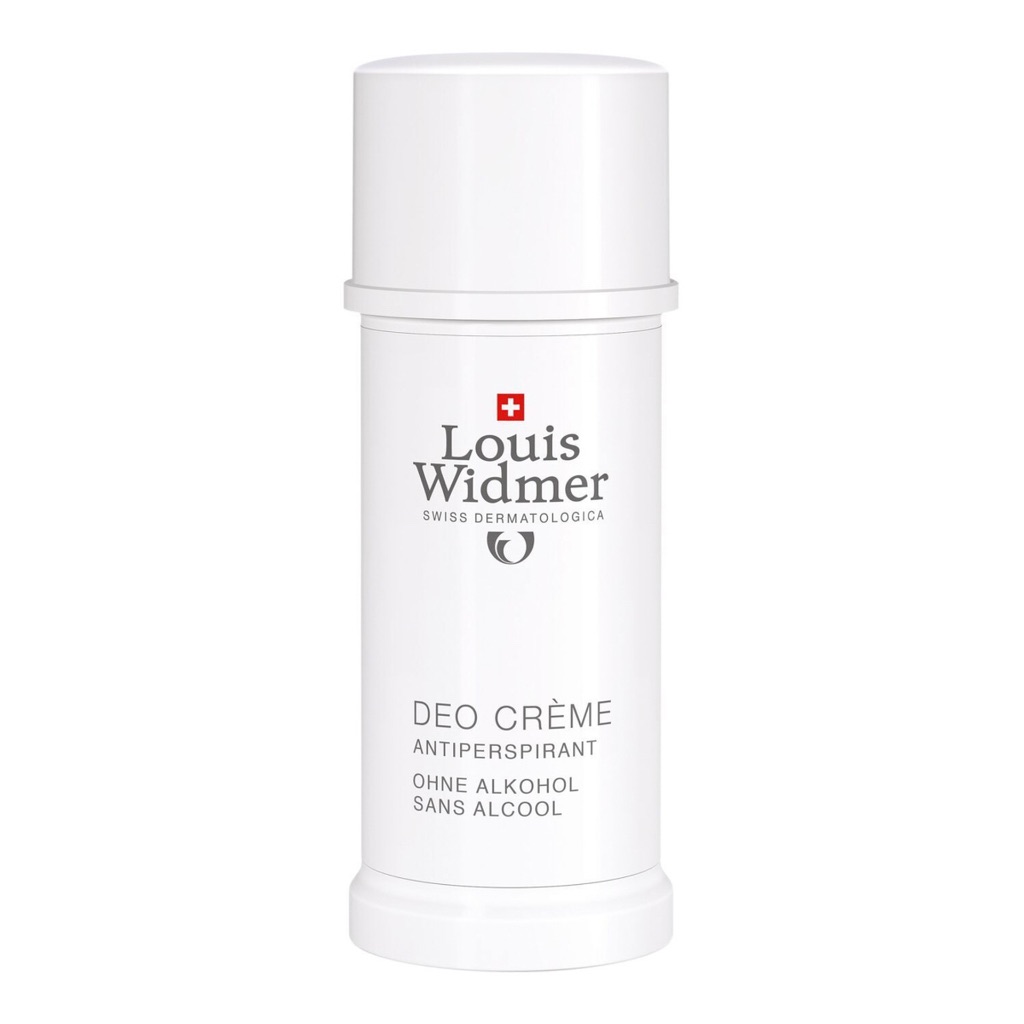
What is Louis Widmer Deo Crème Antiperspirant?
Louis Widmer Deo Crème Antiperspirant is a specialized personal care product formulated in Switzerland, designed to effectively manage and reduce underarm perspiration. It is specifically marketed towards individuals seeking a potent antiperspirant solution that is gentle on the skin, notably being alcohol-free and fragrance-free. This product falls into the broad category of topical antiperspirants, which are distinct from deodorants in their primary function: antiperspirants actively block sweat, while deodorants primarily mask or neutralize odor. Its cream consistency offers a different application experience compared to sprays or roll-ons, often preferred for its perceived soothing properties and controlled delivery.
The ingredient breakdown
The Louis Widmer Deo Crème Antiperspirant presents a focused ingredient list, prioritizing efficacy in sweat reduction while omitting common irritants. Its formulation is notably free from alcohol, which can be drying, and added fragrances, often a source of allergic reactions. This minimalist approach contributes to its suitability for sensitive skin types.
The core active ingredient responsible for its antiperspirant action is a form of aluminum salt. These compounds, typically aluminum chlorohydrate or aluminum zirconium tetrachlorohydrex gly, function by dissolving in sweat and forming a temporary gel-like plug within the sweat ducts. This physical barrier effectively reduces the amount of sweat released to the skin's surface. While highly effective at controlling perspiration, the application of aluminum salts to the underarm area, a region characterized by a relatively high absorption rate and proximity to lymph nodes, has been a subject of ongoing consumer and scientific discussion. Regulatory bodies such as the U.S. Food and Drug Administration (FDA) and the European Scientific Committee on Consumer Safety (SCCS) have reviewed the safety of aluminum compounds in antiperspirants. Both generally conclude that aluminum salts are safe for use in antiperspirants at regulated concentrations, citing insufficient evidence to establish a definitive link between their use and serious health conditions like breast cancer or Alzheimer's disease. However, these assessments often call for continued research, acknowledging the public's interest in the topic.
Beyond the active aluminum salts, the product's base ingredients likely include emollients and humectants to create its cream texture and ensure skin comfort. These inactive ingredients typically include various fatty alcohols, emulsifiers, and water, which help to stabilize the formulation and provide a smooth application. The absence of "parfum" or synthetic fragrances on the label is a key feature, minimizing exposure to potential allergens and respiratory irritants often associated with proprietary fragrance blends.
What this means for your health
For the vast majority of healthy individuals, using Louis Widmer Deo Crème Antiperspirant as directed is considered to pose a low risk. The formulation's deliberate exclusion of alcohol and added fragrances significantly reduces the likelihood of common skin irritations, dryness, and allergic contact dermatitis, making it an excellent choice for those with sensitive skin or a history of adverse reactions to conventional antiperspirants.
However, the presence of aluminum salts is the primary point of consideration for health-conscious consumers. While major regulatory bodies like the FDA and EFSA (European Food Safety Authority) have deemed aluminum compounds in antiperspirants safe at typical concentrations, some individuals may still prefer to minimize their exposure due to personal health philosophies or ongoing scientific debate. The underarm area is a region with a higher potential for ingredient absorption compared to other skin surfaces, and while systemic absorption of aluminum from antiperspirants is generally low, it is not zero. Populations who should exercise extra caution or consult a healthcare professional include those with compromised kidney function, as their bodies may have difficulty processing and eliminating aluminum. While no definitive link exists, pregnant or breastfeeding individuals may also choose to discuss product use with their doctor as a precautionary measure. The realistic exposure risk for an average consumer using this product as intended is generally considered minimal by regulatory bodies, but individual sensitivities and preferences vary.
Safer alternatives to consider
For individuals seeking to reduce or eliminate aluminum exposure in their underarm care routine, a range of safer alternatives exists, primarily in the form of deodorants rather than antiperspirants. When selecting an alternative, prioritize products explicitly labeled "aluminum-free," "fragrance-free," and "alcohol-free" to avoid common irritants and potential sensitizers. Look for deodorants that utilize natural odor-absorbing or neutralizing ingredients such as baking soda, magnesium hydroxide, activated charcoal, or zinc ricinoleate. Some formulations also incorporate prebiotics or probiotics to support a healthy underarm microbiome. Additionally, consider products with simple, recognizable ingredient lists, focusing on emollients and humectants derived from plant sources to ensure skin comfort without unnecessary additives.
The bottom line
Louis Widmer Deo Crème Antiperspirant stands out for its effective sweat control and its thoughtful formulation, being free of alcohol and fragrance, which makes it particularly suitable for sensitive skin. The central consideration for consumers is its reliance on aluminum salts, which are the standard active ingredient in antiperspirants and are approved by major regulatory bodies, yet remain a subject of public concern regarding long-term exposure. For the average user, this product offers a balanced profile of efficacy and reduced irritation. However, those with specific health concerns about aluminum or a desire to avoid it entirely should explore aluminum-free deodorant options.