FOOD ANALYSIS

Loose Leaf Green Tea

AI-Powered Safety Report · SafeShelf

🌐 This is a public scan General scans are publicly accessible and may appear in search engines and the community Discover gallery. Do not upload labels containing personal information. If you want a private analysis tailored to your health, create a free account and use Personalised Scanning →
⚕️ Data Aggregation & Medical Disclaimer SafeShelf is a technology platform, not a medical provider. This analysis is generated by an AI system that aggregates public regulatory data (such as EU and FDA databases) and is provided for educational and informational purposes only. It is not medical advice, a clinical diagnosis, or a substitute for professional healthcare guidance. SafeShelf has no doctors on staff and cannot guarantee the accuracy of AI-generated assessments.

Do not make health, dietary, or medical decisions based solely on this report. Always consult a qualified healthcare professional — especially if you have a medical condition, are pregnant, take prescription medications, or are acting on behalf of an infant or child.

100
Excellent
Loose Leaf Green Tea
loose leaf tea high confidence

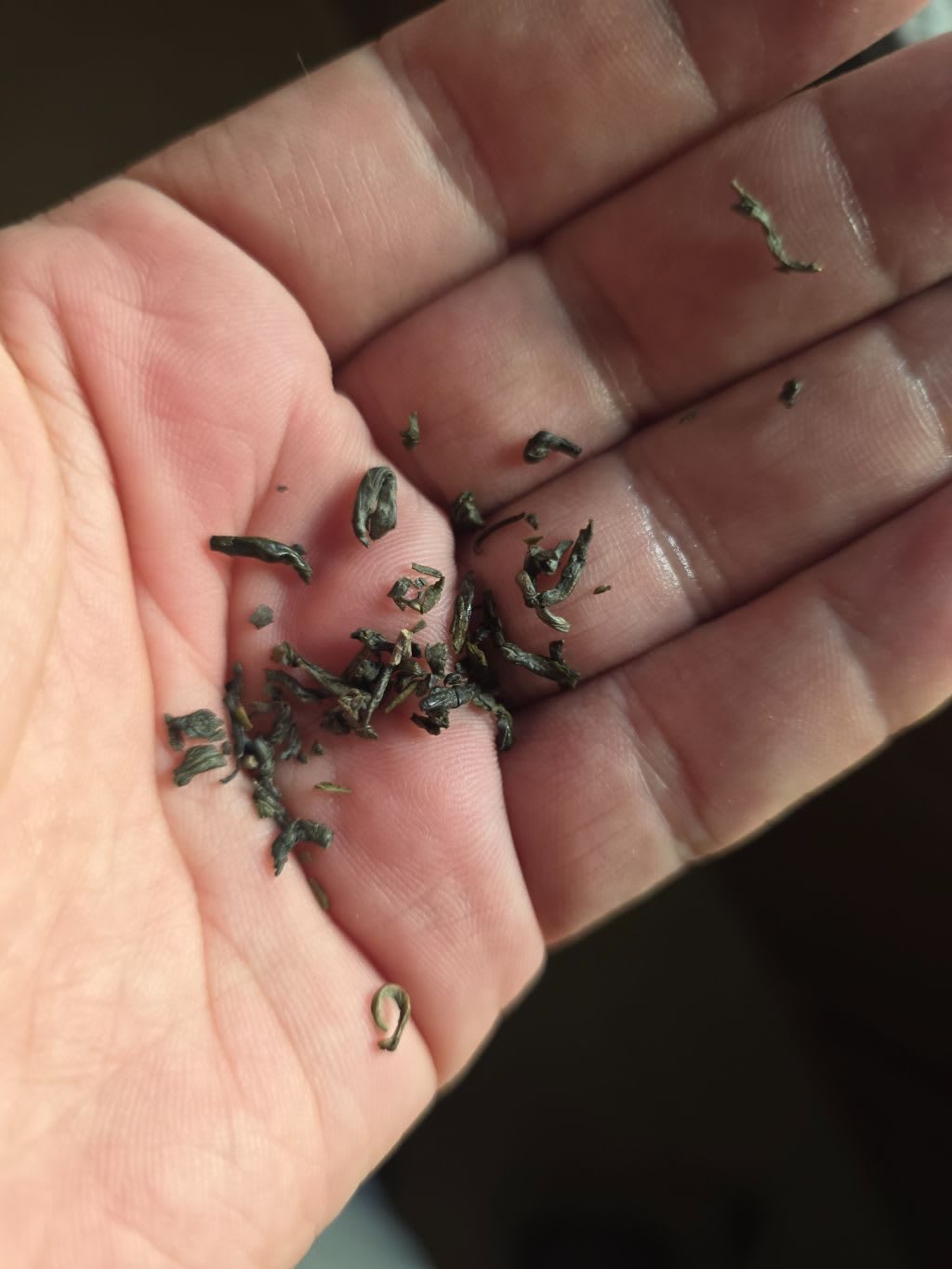
The image shows loose leaf green tea, which is a minimally processed whole-food product. It contains natural antioxidants and no additives, sugars, or preservatives, making it an excellent choice for a healthy beverage.
📊 Score Breakdown
Additive Safety
25% of overall
100
No artificial additives or chemical preservatives present in loose leaf tea.
Sugar Concern
20% of overall
100
Tea is naturally free from added sugars.
Ingredient Quality
20% of overall
100
Whole leaf tea is a high-quality, unprocessed food source.
Nutritional Value
15% of overall
100
Naturally contains beneficial polyphenols and catechins.
Allergen Clarity
10% of overall
100
Plain green tea is naturally allergen-free; no hidden ingredients observed.
Preservative Load
10% of overall
100
Dried tea leaves do not require chemical preservatives.
✅ What's Good
  • Rich in natural antioxidants like EGCG
  • Provides a natural source of caffeine for focus
  • Zero calorie and zero artificial ingredient profile
✅ No Flagged Ingredients

No harmful or concerning ingredients were detected in this product.

🔬 Full Ingredient Breakdown

Every identified ingredient classified by safety level.

green tea leaves beneficial
💡 Recommendations
  • Steep in water below boiling temperature (approx 80°C/175°F) to avoid scorching the leaves and becoming bitter
  • Consume in moderation if you are sensitive to caffeine
📚 Regulatory & Toxicological Context

The analysis for Loose Leaf Green Tea relies on aggregated data from global regulatory bodies. When evaluating products in the food category, our AI cross-references ingredients against databases such as the European Chemicals Agency (ECHA), the US Food and Drug Administration (FDA) GRAS list, and the International Agency for Research on Cancer (IARC).

Consumer products often contain complex chemical formulations. While individual ingredients may be legally permitted in certain jurisdictions, emerging toxicological research frequently highlights the risks of bioaccumulation, endocrine disruption, and gut microbiome degradation. SafeShelf's mission is to provide transparent, accessible translations of these complex chemical nomenclatures so consumers can make informed decisions about their household exposure.

⚕️ Reminder: This AI report is for informational purposes only and does not replace professional medical advice. Ingredient safety can vary based on individual health factors, dosage, product formulation, and applicable regulations in your country. SafeShelf assumes no liability for decisions made based on this analysis.

🔍 Related Scans in this Category

What is Loose Leaf Green Tea?

Loose Leaf Green Tea is a popular beverage derived from the unoxidized leaves of the Camellia sinensis plant. Unlike black tea, green tea leaves undergo minimal processing, which helps preserve their natural compounds. It is widely consumed globally for its distinct flavor profile and perceived health benefits, often marketed to health-conscious individuals seeking a natural, low-calorie, and antioxidant-rich drink. This product falls into the category of whole-food, minimally processed beverages, standing apart from highly processed drinks that may contain numerous additives.

The ingredient breakdown

The ingredient profile of Loose Leaf Green Tea is remarkably simple and pure, consisting solely of dried green tea leaves. This minimalist approach means the product is free from artificial additives, synthetic flavors, added sugars, or chemical preservatives often found in many processed food and beverage items.

The primary beneficial compounds within green tea leaves are polyphenols, particularly catechins like epigallocatechin gallate (EGCG). These natural antioxidants are extensively studied for their role in combating oxidative stress in the body. The FDA generally recognizes green tea and its extracts as safe for consumption, and research into the health benefits of its natural compounds is ongoing, with many studies highlighting their potential positive effects on cardiovascular health and metabolism. The European Food Safety Authority (EFSA) also acknowledges the presence of these beneficial compounds in tea.

Beyond antioxidants, green tea naturally contains L-theanine, an amino acid known for promoting a state of relaxed alertness without drowsiness, and a moderate amount of caffeine. These naturally occurring compounds contribute to the tea's characteristic flavor and its mild stimulating effects. Importantly, these are intrinsic components of the tea leaf itself, not synthetic additions, ensuring a natural and unadulterated beverage experience.

What this means for your health

For most consumers, Loose Leaf Green Tea represents an exceptionally safe and beneficial beverage choice. Its natural composition, devoid of artificial ingredients, added sugars, or preservatives, significantly reduces exposure to substances that are often a concern in processed foods. The high concentration of natural antioxidants, such as EGCG, offers potential protective effects against cellular damage, supporting overall wellness.

Individuals who are sensitive to caffeine should be mindful of their intake, as green tea does contain this natural stimulant. However, the L-theanine present in green tea can help modulate caffeine's effects, often leading to a smoother, more sustained energy boost compared to other caffeinated beverages. Pregnant individuals or those with specific health conditions should consult their healthcare provider regarding caffeine consumption, but generally, moderate consumption of green tea is considered safe for the broader population.

Safer alternatives to consider

When seeking safer beverage options, Loose Leaf Green Tea sets a high standard. To find comparable safety, look for products that are minimally processed, contain no added sugars, artificial sweeteners, or synthetic flavors. Opt for beverages with a short, recognizable ingredient list. For other teas, choose organic, loose-leaf varieties to minimize exposure to pesticides and ensure purity. When considering other drink categories, prioritize plain water, sparkling water with natural fruit, or freshly brewed herbal infusions without any added ingredients.

The bottom line

Loose Leaf Green Tea stands out as an exemplary choice for a healthy, natural beverage. Its purity, rich antioxidant content, and complete absence of concerning additives make it one of the safest options available. While caffeine content should be considered by sensitive individuals, the overall health profile is overwhelmingly positive. For the average reader, incorporating Loose Leaf Green Tea into their daily routine is a highly recommended and beneficial choice.

❓ Frequently Asked Questions
Is Loose Leaf Green Tea safe to drink daily?

Yes, Loose Leaf Green Tea is generally considered very safe for daily consumption. It is a minimally processed beverage rich in natural antioxidants and free from artificial additives, sugars, and preservatives. Moderate intake can contribute to overall wellness, though individuals sensitive to caffeine should monitor their consumption.

What are the main benefits of Loose Leaf Green Tea?

Loose Leaf Green Tea is rich in natural antioxidants like EGCG, which help combat oxidative stress. It also contains L-theanine, promoting focused alertness, and provides a natural source of caffeine. These compounds contribute to its potential benefits for cardiovascular health, metabolism, and cognitive function, all within a zero-calorie profile.

Does Loose Leaf Green Tea contain any artificial ingredients?

No, Loose Leaf Green Tea, in its pure form, does not contain any artificial ingredients. It consists solely of dried green tea leaves, meaning it is free from artificial flavors, colors, sweeteners, or chemical preservatives. This makes it an excellent choice for those seeking a natural and unadulterated beverage.

The editorial article above was AI-generated from this product's ingredient analysis. It is for informational purposes only and is not medical advice.

Get a Personalised Analysis

Register free and scans will be tailored to your medications, conditions, and health goals.

Register Free →