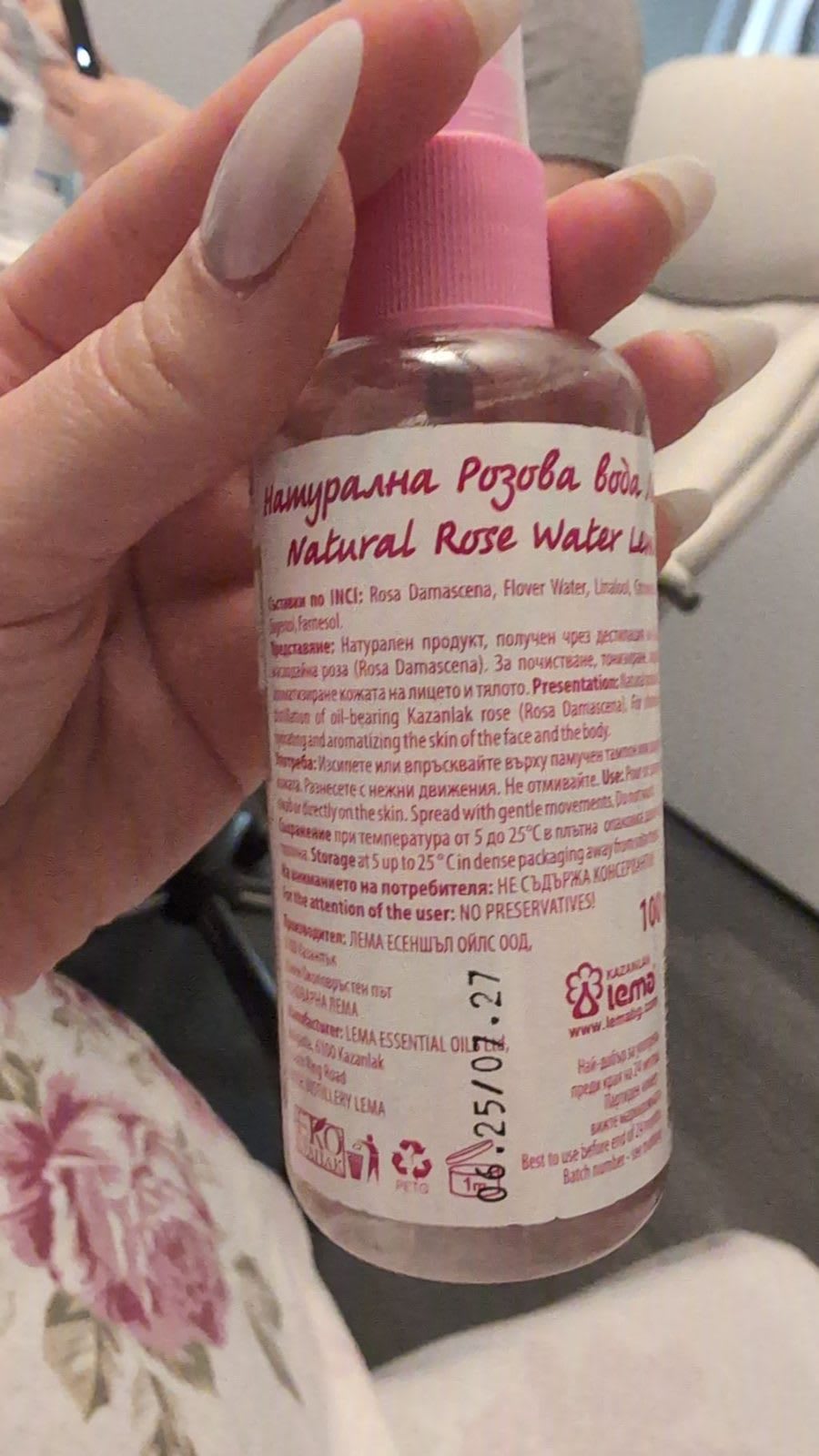
What is Lema Natural Rose Water?
Lema Natural Rose Water is a cosmetic product primarily used as a facial toner and hydrator. It is derived solely from the distillation of Rosa Damascena, commonly known as Damask rose. Marketed towards individuals seeking a simple, natural, and gentle approach to skincare, it falls into the category of floral waters or hydrosols. Unlike many conventional toners, this product emphasizes its single-ingredient purity, aiming to provide traditional skin benefits without the inclusion of synthetic additives, fragrances, or preservatives often found in more complex formulations. It's designed for daily use to refresh, soothe, and prepare the skin.
The ingredient breakdown
The ingredient profile of Lema Natural Rose Water is remarkably simple, featuring just one primary component: Rosa Damascena Flower Water. This minimalist approach means the product is free from synthetic preservatives, artificial colors, and added fragrances, which often contribute to skin sensitivities. Its composition is essentially a pure botanical extract, reflecting a commitment to natural purity.
The core of this product is Rosa Damascena Flower Water, obtained through the steam distillation of fresh rose petals. This process captures the volatile aromatic compounds and water-soluble components of the rose, creating a gentle hydrosol. Rose water is widely recognized for its mild astringent properties, helping to tone the skin, and its hydrating capabilities, which can leave the skin feeling refreshed and supple. It also contains natural antioxidants that may help protect the skin from environmental stressors. Because it is a pure distillate, it provides the benefits of rose without the heavier oils that might clog pores.
While not added ingredients, naturally occurring compounds like Linalool, Geraniol, Citronellol, and Farnesol are present in the rose oil that is part of the flower water. These are aromatic components responsible for the characteristic scent of roses. Linalool, in particular, is noted as a potential contact allergen for sensitive individuals. Although generally safe for most, regulatory bodies like the European Union require the disclosure of such natural fragrance allergens on cosmetic labels when they exceed certain concentrations, to inform consumers who may have sensitivities. Geraniol, Citronellol, and Farnesol also contribute to the fragrance profile and are less frequently associated with widespread allergic reactions compared to Linalool, though individual sensitivities can vary.
What this means for your health
For most individuals, Lema Natural Rose Water presents a very low health risk due to its exceptionally simple and natural ingredient list. The primary component, Rosa Damascena Flower Water, is widely regarded as gentle and beneficial for skin. The main consideration for your health revolves around potential sensitivities to naturally occurring fragrance compounds, specifically Linalool. If you have a history of contact allergies or sensitive skin, there's a small chance you might experience a reaction, such as redness or itching. A patch test on a small area of skin before full application is always a prudent step, particularly for those with known fragrance sensitivities.
Furthermore, the absence of synthetic preservatives, while a benefit for minimizing chemical exposure, introduces a practical consideration: product longevity and safe storage. Without preservatives, the product is more susceptible to microbial growth if not handled correctly. It is crucial to keep the bottle tightly capped and stored in a cool, dark place, away from direct sunlight and humidity, to maintain its purity and prevent contamination. Pregnant individuals and children can generally use this product without concern, given its mild nature, but the storage warning remains paramount for everyone to ensure product integrity and safety over time.
Safer alternatives to consider
When seeking safer alternatives in the cosmetic toner category, prioritize products with minimal ingredient lists, ideally featuring single botanical hydrosols or distilled water. Look for certifications that indicate organic sourcing or purity. For those with extreme sensitivities to even natural fragrance compounds like Linalool, opting for pure distilled water or a hydrosol from a plant known for its hypoallergenic properties, such as chamomile or calendula, could be beneficial. Always scrutinize labels for added fragrances (even natural ones not derived from the primary botanical), synthetic dyes, parabens, phthalates, and harsh alcohols, which are common irritants. A truly safer alternative will focus on providing hydration and balance without introducing unnecessary chemicals or potential allergens.
The bottom line
Lema Natural Rose Water stands out as a remarkably clean and simple cosmetic choice, earning a high safety score. Its single-ingredient formulation of Rosa Damascena Flower Water offers genuine benefits for skin hydration and toning, free from synthetic additives. The primary caution lies with Linalool, a naturally occurring fragrance component that may affect highly sensitive individuals, and the need for diligent storage due to the lack of preservatives. For the average reader, this product is a safe and gentle option, provided they perform a patch test if prone to sensitivities and adhere to proper storage guidelines to maintain its purity.