FOOD
ANALYSIS
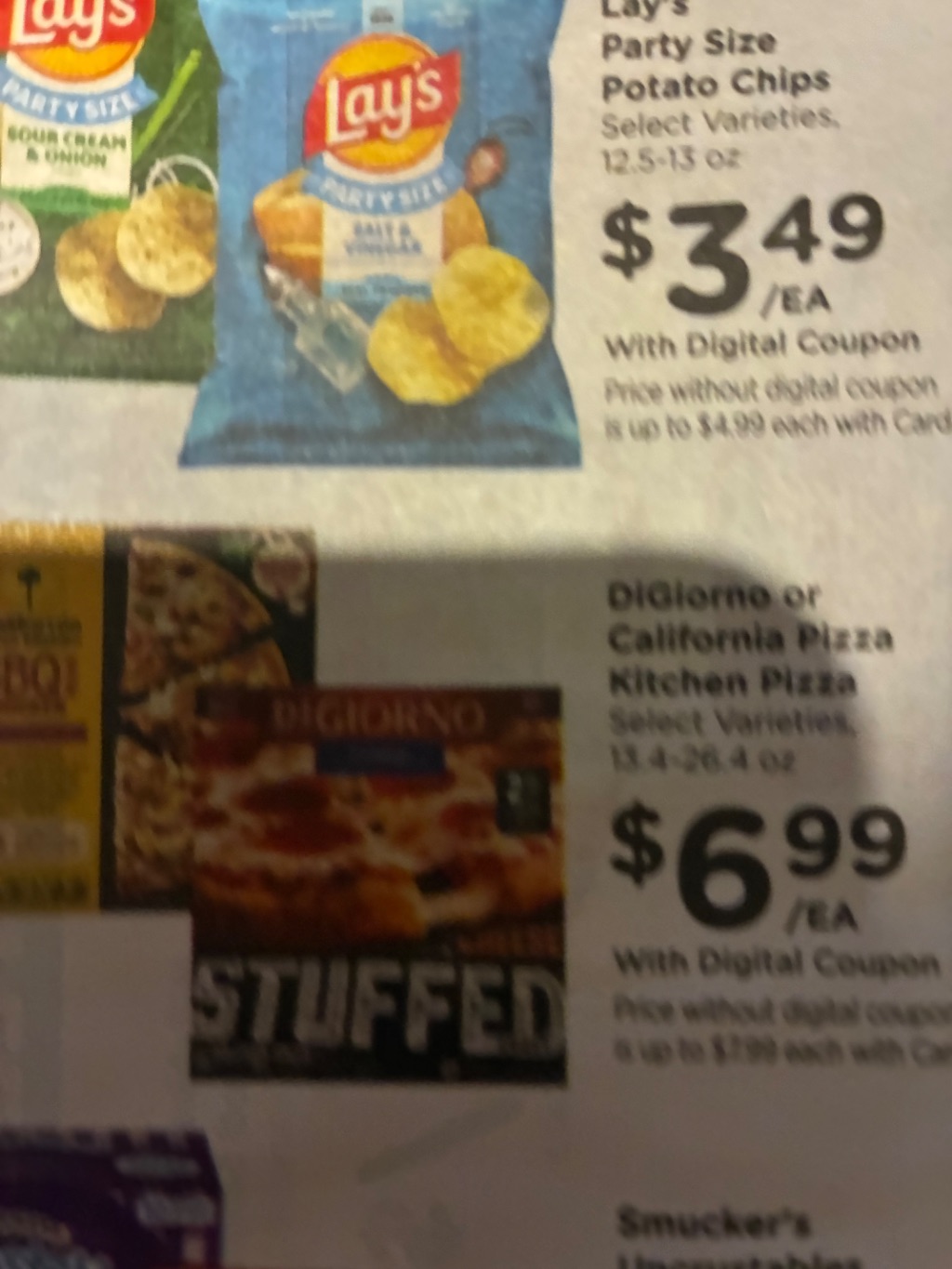
Lay's Party Size Potato Chips and DiGiorno/California Pizza Kitchen Pizza
AI-Powered Safety Report · SafeShelf
⚕️ Data Aggregation & Medical Disclaimer
SafeShelf is a technology platform, not a medical provider. This analysis is generated by an AI system that aggregates public regulatory data (such as EU and FDA databases) and is provided for educational and informational purposes only. It is not medical advice, a clinical diagnosis, or a substitute for professional healthcare guidance. SafeShelf has no doctors on staff and cannot guarantee the accuracy of AI-generated assessments.
Do not make health, dietary, or medical decisions based solely on this report. Always consult a qualified healthcare professional — especially if you have a medical condition, are pregnant, take prescription medications, or are acting on behalf of an infant or child.
Do not make health, dietary, or medical decisions based solely on this report. Always consult a qualified healthcare professional — especially if you have a medical condition, are pregnant, take prescription medications, or are acting on behalf of an infant or child.
35
Concerning
Lay's Party Size Potato Chips and DiGiorno/California Pizza Kitchen Pizza
ultra-processed snack and frozen meal
high confidence
This image displays two categories of ultra-processed foods: potato chips and frozen pizzas. Both products are typically high in sodium, saturated fats, and contain various additives, flavorings, and refined ingredients that warrant a moderate to low health score.
📊 Score Breakdown
Additive Safety
25% of overall
30
Both products contain undisclosed 'natural flavors' and various stabilizers/preservatives common in ultra-processed foods.
Sugar Concern
20% of overall
60
While not high-sugar items, frozen pizzas often contain added sugars in the crust and sauce.
Ingredient Quality
20% of overall
20
Products are highly refined, utilizing processed vegetable oils and refined flours.
Nutritional Value
15% of overall
30
High sodium content and saturated fat levels are characteristic of these product categories.
Allergen Clarity
10% of overall
70
Common allergens like wheat, milk, and soy are typically declared on these standard commercial products.
Preservative Load
10% of overall
40
Frozen pizzas and chips often rely on synthetic preservatives to maintain shelf stability.
🚨 Critical Warnings
Process contaminant (inferred, not label-confirmed): Acrylamide formation is likely in fried potato chips and baked pizza crusts.
🥜 Allergens Detected
These are personal risks — they are not universally harmful. People without these allergies or intolerances are unaffected.
Wheat
Milk
Soy
🕳️ Undisclosed Blends
These entries hide multiple constituents that are not individually declared on the label.
Natural Flavors
Can legally hide dozens of individual chemical constituents, solvents, and preservatives.
⚠️ Flagged Ingredients
Natural Flavors
MEDIUM
Undisclosed proprietary blend; composition unknown.
Refined Vegetable Oils
MEDIUM
Process contaminant (inferred): Potential for 3-MCPD and glycidyl esters.
🔬 Full Ingredient Breakdown
Every identified ingredient classified by safety level.
Natural Flavors
moderate
Refined Vegetable Oils
moderate
💡 Recommendations
- →Limit consumption due to high sodium and saturated fat content.
- →Prioritize whole-food alternatives to reduce intake of ultra-processed additives.
⚕️ Reminder: This AI report is for informational purposes only and does not replace
professional medical advice. Ingredient safety can vary based on individual health factors, dosage,
product formulation, and applicable regulations in your country. SafeShelf assumes no liability for
decisions made based on this analysis.