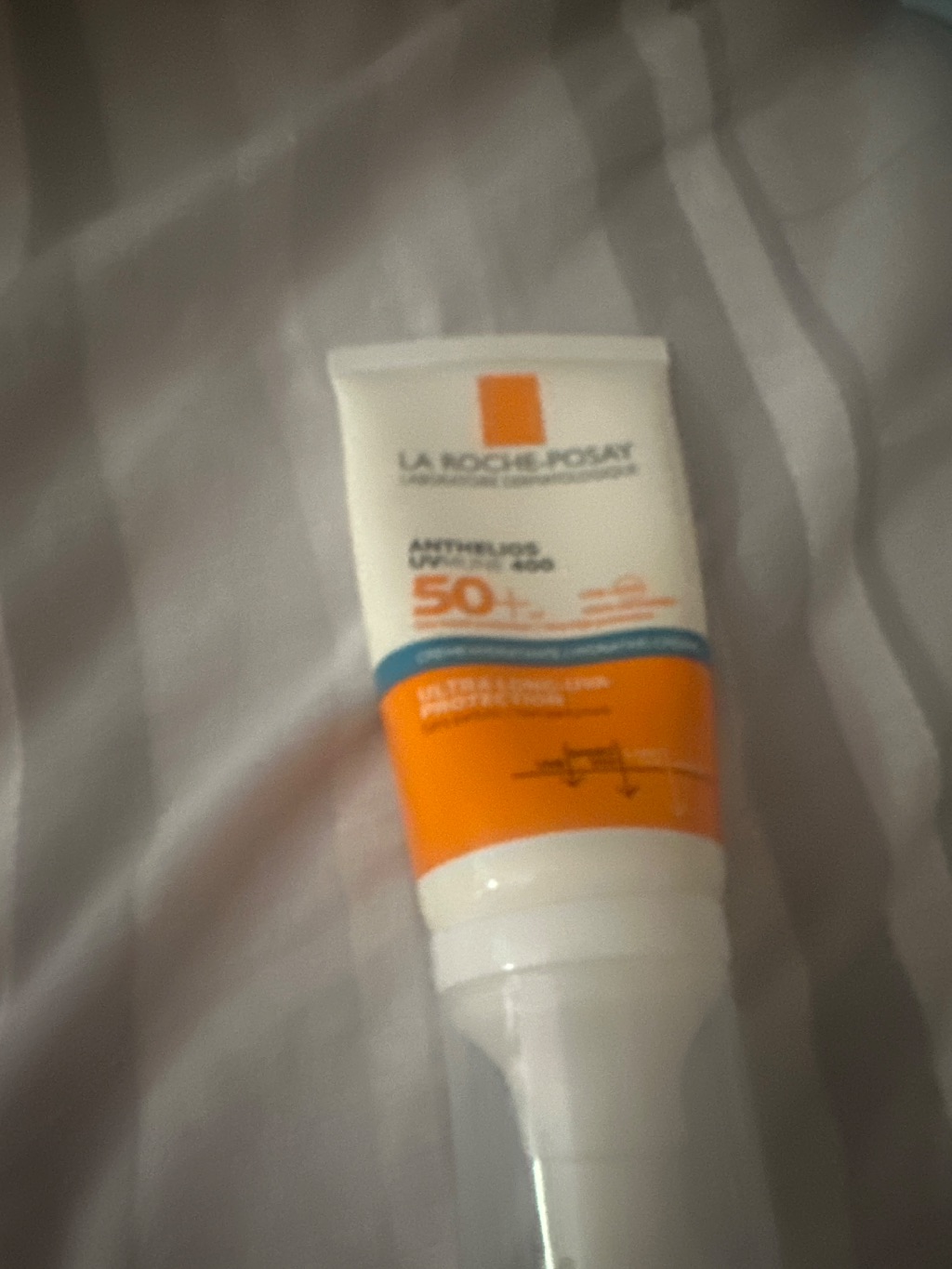
What is La Roche-Posay Anthelios UVMune 400 Hydrating Cream SPF 50+?
La Roche-Posay Anthelios UVMune 400 Hydrating Cream SPF 50+ is a high-protection, leave-on chemical sunscreen designed to shield the skin from the sun's harmful ultraviolet rays. Marketed to individuals seeking very high broad-spectrum protection, particularly for sensitive or dry skin, it stands out in the crowded sunscreen market due to its advanced UV filter technology. This product aims to prevent sunburn, reduce the risk of skin cancer, and protect against photoaging by offering comprehensive coverage against both UVA and UVB radiation.
The ingredient breakdown
This sunscreen features a well-considered ingredient profile, primarily focused on delivering robust UV protection and skin hydration. It contains a relatively modern blend of UV filters, alongside humectants to maintain skin moisture. While largely beneficial, the formulation does include a common ingredient that warrants closer examination for those with sensitivities.
The core of this product's protective power comes from its advanced UV filters, notably UVMune 400 (also known as Mexoryl 400). This cutting-edge filter is specifically engineered to protect against ultra-long UVA rays, which penetrate deeper into the skin and contribute significantly to photoaging and skin damage. Alongside other stable chemical filters, these ingredients work by absorbing UV radiation and converting it into heat, preventing it from harming skin cells. Regulatory bodies like the FDA and EFSA generally consider these modern filters safe for topical use, as they are designed for minimal systemic absorption, meaning they largely stay on the skin's surface.
For skin hydration, the cream incorporates Glycerin, a well-established humectant. Glycerin functions by drawing moisture from the air into the skin's outer layer, helping to keep it soft, supple, and hydrated. This ingredient is widely recognized as safe and beneficial for all skin types, especially dry or sensitive skin, and is a staple in many dermatological formulations for its gentle and effective moisturizing properties.
A notable ingredient in this formulation is "Parfum/Fragrance." While it provides a pleasant scent, fragrance is a common cause of contact dermatitis and skin sensitization. It represents an undisclosed blend of chemicals, meaning the specific constituents are not listed on the product label. For individuals with sensitive skin or a history of allergic reactions, this opacity can make it challenging to identify potential irritants, leading to redness, itching, or rashes upon exposure.
Regulatory standing and hidden ingredients
The presence of "Parfum/Fragrance" in this product highlights a significant regulatory loophole concerning ingredient disclosure. Under current regulations in many regions, including the EU and US, the term "fragrance" or "parfum" can legally represent a complex mixture of dozens, or even hundreds, of individual chemical constituents, solvents, and preservatives. These specific chemicals are not required to be listed on the product label, making it impossible for consumers to know the full composition of what they are applying to their skin.
This lack of transparency is particularly concerning for individuals with allergies or sensitivities, as many common fragrance components are known allergens. While the product is otherwise formulated with stable and well-understood ingredients, the opaque nature of "Parfum/Fragrance" means that potential irritants or sensitizers remain hidden, complicating efforts for sensitive users to avoid triggers. This contrasts with the detailed disclosure required for other active ingredients, creating a blind spot for consumer safety regarding scented products.
What this means for your health
For the average consumer without known fragrance sensitivities, La Roche-Posay Anthelios UVMune 400 Hydrating Cream SPF 50+ offers excellent, advanced sun protection. The UV filters are designed for high efficacy and minimal systemic absorption, meaning the realistic exposure risk for internal health concerns is low when used as intended. The hydrating properties are also beneficial for maintaining skin barrier health. However, individuals with a history of contact dermatitis, eczema, or generally sensitive skin should exercise caution.
The primary health consideration for this product revolves around the "Parfum/Fragrance" component. For sensitive populations, including young children whose skin barriers are still developing, or adults prone to allergic reactions, the undisclosed chemicals within fragrance can trigger skin irritation, redness, itching, or even allergic contact dermatitis. A patch test on a small area of skin before full application is highly recommended for anyone with concerns about fragrance sensitivity.
Safer alternatives to consider
For those seeking sun protection with fewer potential irritants, consider sunscreens that rely solely on mineral active ingredients like zinc oxide or titanium dioxide. These physical blockers sit on the skin's surface and reflect UV rays, generally posing a lower risk of irritation. Additionally, prioritize products explicitly labeled as "fragrance-free" or "unscented," and ideally, those that are also free from other common sensitizers like certain preservatives or dyes. Always review the full ingredient list to ensure it aligns with your personal health needs and sensitivities.
The bottom line
La Roche-Posay Anthelios UVMune 400 Hydrating Cream SPF 50+ provides superior broad-spectrum sun protection, especially against ultra-long UVA rays, making it a highly effective choice for preventing sun damage. Its hydrating formula is a significant benefit for dry or sensitive skin types. However, the inclusion of "Parfum/Fragrance" means it may not be suitable for individuals with very sensitive skin or known fragrance allergies. For most users, it's a strong contender for daily sun protection, but those with sensitivities should opt for fragrance-free alternatives.