What is Hell Energy Drink?
Hell Energy Drink is a popular beverage marketed primarily to young adults and individuals seeking a quick boost of energy. As an ultra-processed food product, it falls into the category of highly formulated drinks designed for specific functional effects rather than nutritional completeness. Like many energy drinks, it combines stimulants and sugars to deliver a perceived surge in alertness and performance, positioning itself as a convenient pick-me-up for demanding lifestyles.
The ingredient breakdown
The ingredient profile of Hell Energy Drink reveals a formulation typical of many ultra-processed energy beverages. It consists of a relatively short list of components, predominantly water, sugar, and various synthetic additives, with a notable emphasis on stimulants and flavorings.
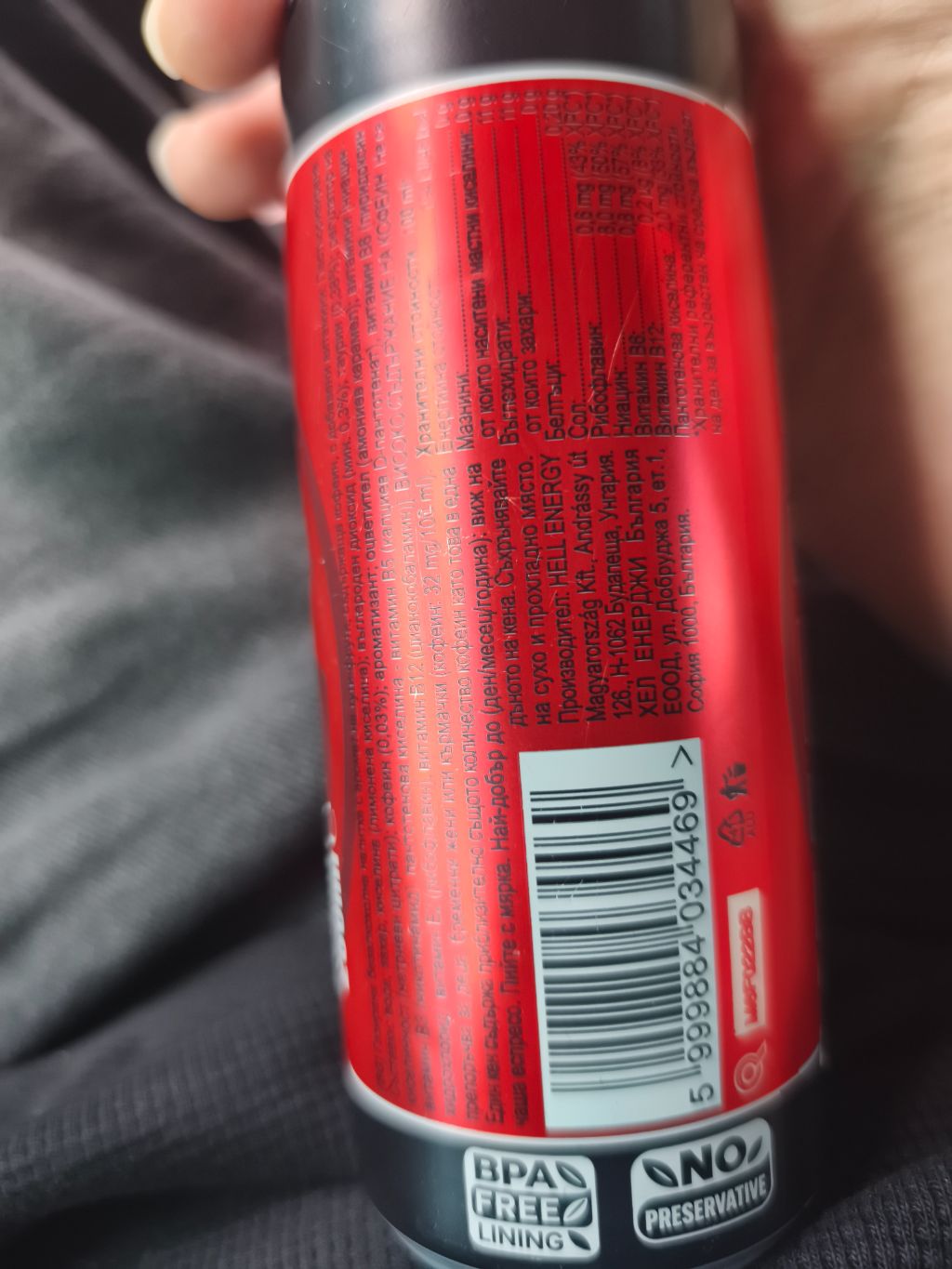
A primary active ingredient in Hell Energy Drink is Caffeine, a central nervous system stimulant. While moderate consumption is generally considered safe for healthy adults, high doses can lead to adverse effects such as increased heart rate (tachycardia), anxiety, and disrupted sleep patterns. With 32mg of caffeine per 100ml, a standard 250ml can delivers 80mg, which is comparable to a cup of coffee. The drink also contains Taurine, an amino acid derivative often included in energy drinks, though its precise synergistic effects with caffeine are still a subject of ongoing research. Regulatory bodies like the European Food Safety Authority (EFSA) have generally deemed taurine safe at typical intake levels.
The drink contains a significant amount of Sugar, approximately 10.9 grams per 100ml, making a 250ml can contribute nearly 27 grams of sugar. This high sugar content is a primary concern, as excessive intake is linked to increased risk of weight gain, type 2 diabetes, and cardiovascular issues, as highlighted by health organizations worldwide. Citric acid is included as an acidulant and flavor enhancer, commonly found in many foods and beverages and generally recognized as safe (GRAS) by the FDA. Carbon dioxide provides the characteristic fizz and is also considered safe for consumption.
Hell Energy Drink is fortified with several B-vitamins, including B2, B3, B5, B6, and B12, which play roles in energy metabolism. While these vitamins are beneficial, their presence does not offset the concerns associated with the drink's other components. A notable ingredient is "Aroma," an opaque blend that legally represents a mixture of flavoring substances. The lack of transparency regarding the specific chemicals within "Aroma" means consumers cannot assess potential sensitivities or risks from these undisclosed compounds, a common practice in the food industry that raises questions about full ingredient disclosure.
Regulatory standing and hidden ingredients
A significant point of concern regarding Hell Energy Drink's composition is the inclusion of "Aroma" as an ingredient. This term represents an opaque blend, meaning it is a legally permissible way for manufacturers to include a mixture of various synthetic flavoring chemicals and solvents without disclosing their individual identities or quantities on the label. This lack of transparency means consumers are unaware of the specific substances they are ingesting, which can be problematic for individuals with sensitivities or those wishing to avoid certain chemicals. While permitted by regulations in the EU market where this product is detected, it stands in contrast to a desire for full ingredient disclosure.
What this means for your health
For the average healthy adult, occasional consumption of Hell Energy Drink, as part of an otherwise balanced diet, is unlikely to cause severe immediate harm. However, the high caffeine content (80mg per 250ml can) means that multiple servings or consumption by sensitive individuals can quickly lead to adverse effects. Populations who should be particularly cautious include children, pregnant or breastfeeding women, and individuals with pre-existing heart conditions, anxiety disorders, or caffeine sensitivity. Regulatory bodies like the EFSA and FDA advise against energy drink consumption for these groups due to the stimulant load.
The primary long-term health concern stems from the significant added sugar content. Regular consumption of sugary beverages contributes to an elevated risk of chronic diseases such as type 2 diabetes, obesity, and dental cavities. The "Aroma" blend also introduces an element of uncertainty, as undisclosed ingredients could pose risks for individuals with specific sensitivities, even if generally recognized as safe for the broader population. Therefore, while the immediate risk from a single serving might be low for most, consistent use presents a greater health burden.
Safer alternatives to consider
For those seeking an energy boost with fewer potential risks, several attributes define a safer alternative. Look for beverages with significantly lower or no added sugar, opting for natural sweeteners like stevia or erythritol if sweetness is desired. Prioritize products with transparent ingredient lists, avoiding "natural flavors" or "fragrance" if full disclosure is a concern. For caffeine, consider natural sources like green tea or coffee, which also offer beneficial antioxidants and a more gradual energy release. Hydration with plain water or unsweetened herbal teas remains the safest and most effective way to combat fatigue.
The bottom line
Hell Energy Drink is an ultra-processed beverage that delivers a quick energy boost, partly due to its B-vitamin content. However, its high sugar and caffeine levels, coupled with the use of an opaque "Aroma" blend, raise significant health concerns, particularly with regular consumption. While occasional use by healthy adults might be acceptable, it is not recommended for children, pregnant women, or those sensitive to stimulants. For optimal health, consumers should consider avoiding this product in favor of more transparent, less sugary, and naturally energizing options.