SUPPLEMENT
ANALYSIS
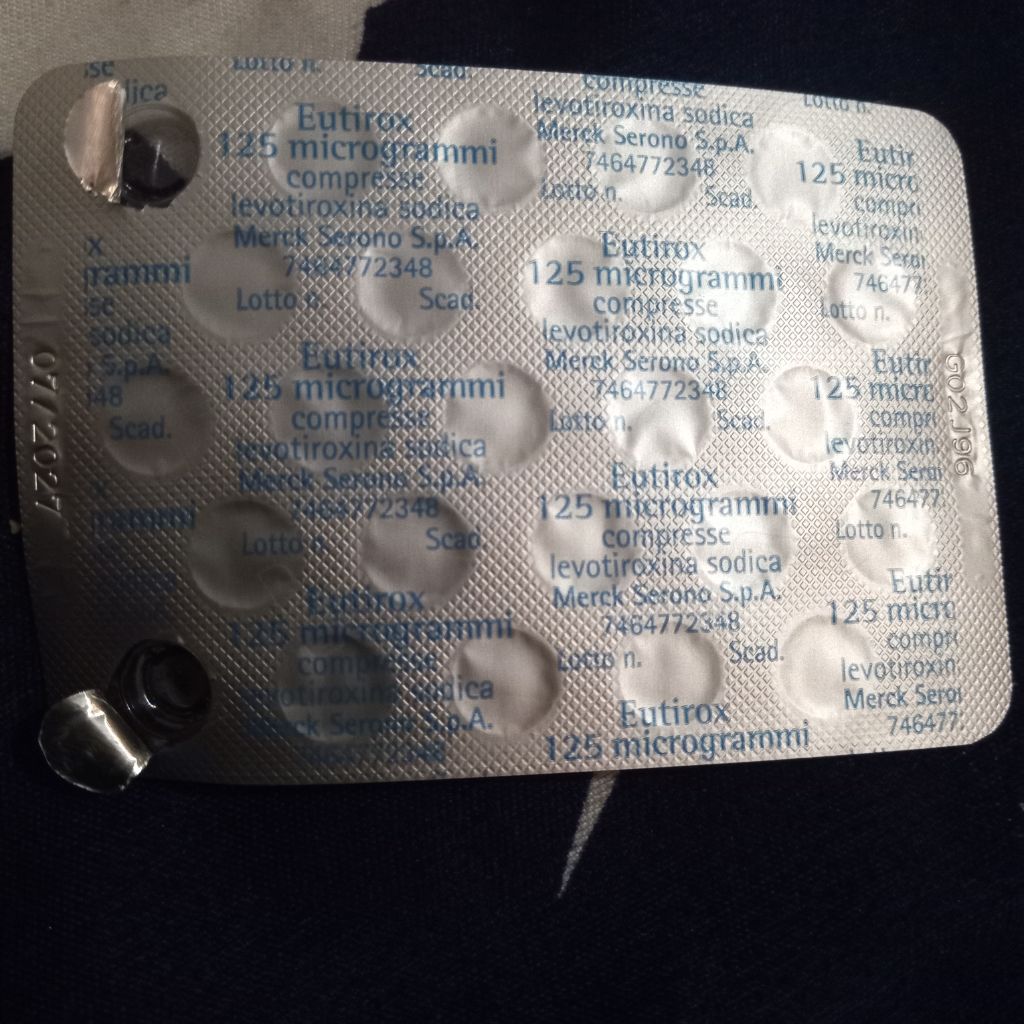
Eutirox 125 microgrammi
AI-Powered Safety Report · SafeShelf
⚕️ Data Aggregation & Medical Disclaimer
SafeShelf is a technology platform, not a medical provider. This analysis is generated by an AI system that aggregates public regulatory data (such as EU and FDA databases) and is provided for educational and informational purposes only. It is not medical advice, a clinical diagnosis, or a substitute for professional healthcare guidance. SafeShelf has no doctors on staff and cannot guarantee the accuracy of AI-generated assessments.
Do not make health, dietary, or medical decisions based solely on this report. Always consult a qualified healthcare professional — especially if you have a medical condition, are pregnant, take prescription medications, or are acting on behalf of an infant or child.
Do not make health, dietary, or medical decisions based solely on this report. Always consult a qualified healthcare professional — especially if you have a medical condition, are pregnant, take prescription medications, or are acting on behalf of an infant or child.
30
Concerning
Eutirox 125 microgrammi
prescription thyroid hormone medication
high confidence
This product is a prescription medication (levothyroxine sodium) used to treat hypothyroidism. Because it is a potent hormone replacement therapy, it carries significant risks for drug interactions and requires strict medical supervision; therefore, the score is capped at 30 per safety protocols for critical medication.
📊 Score Breakdown
Drug Interaction Risk
30% of overall
0
Levothyroxine has numerous critical interactions with medications like anticoagulants, insulin, and other supplements (e.g., calcium, iron).
Megadose Toxicity
25% of overall
100
Dosing is specific to individual patient needs as prescribed by a physician.
Bioavailability Quality
20% of overall
100
Levothyroxine sodium is the standard, highly bioavailable form of thyroid hormone replacement.
Filler Quality
15% of overall
100
Standard pharmaceutical-grade excipients used in tablet formulation.
Label Transparency
10% of overall
100
Clear, regulated pharmaceutical labeling.
🚨 Critical Warnings
CRITICAL: This is a prescription medication. Do not adjust dose or stop taking without physician guidance.
Interaction Warning: Absorption is significantly affected by calcium, iron, and antacids; take on an empty stomach at least 30-60 minutes before breakfast.
Monitor for symptoms of hyperthyroidism (palpitations, anxiety, insomnia) if dose is too high.
✅ What's Good
- ✓Standardized treatment for hypothyroidism
- ✓High bioavailability of active ingredient
⚠️ Flagged Ingredients
Levothyroxine sodium
HIGH
Potent hormone; incorrect dosing can lead to serious cardiovascular or metabolic complications.
🔬 Full Ingredient Breakdown
Every identified ingredient classified by safety level.
Levothyroxine sodium
beneficial
💡 Recommendations
- →Take this medication exactly as prescribed by your doctor.
- →Maintain a consistent routine regarding food intake to ensure stable absorption.
- →Inform your doctor of all other medications and supplements you are taking.
⚕️ Reminder: This AI report is for informational purposes only and does not replace
professional medical advice. Ingredient safety can vary based on individual health factors, dosage,
product formulation, and applicable regulations in your country. SafeShelf assumes no liability for
decisions made based on this analysis.