SUPPLEMENT ANALYSIS

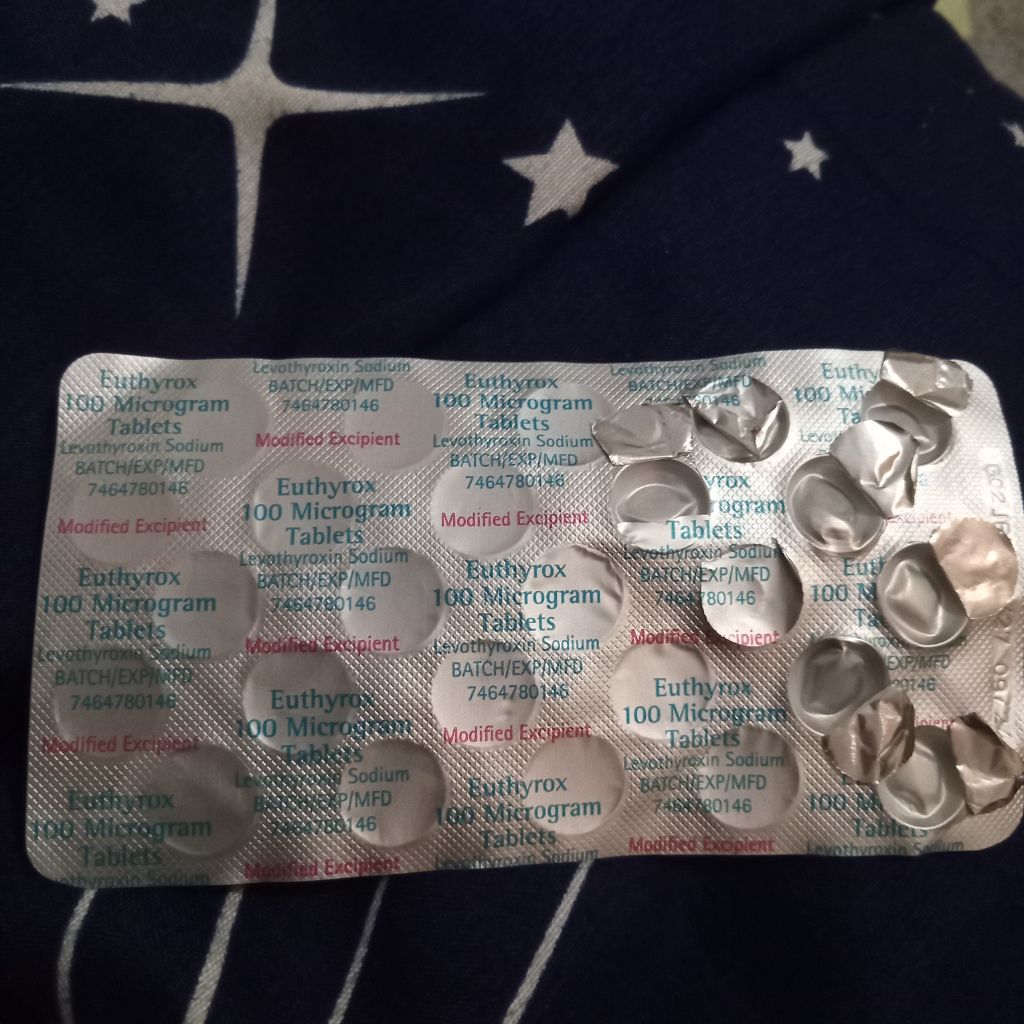
Euthyrox 100 Microgram Tablets

AI-Powered Safety Report · SafeShelf

🌐 This is a public scan General scans are publicly accessible and may appear in search engines and the community Discover gallery. Do not upload labels containing personal information. If you want a private analysis tailored to your health, create a free account and use Personalised Scanning →
⚕️ Data Aggregation & Medical Disclaimer SafeShelf is a technology platform, not a medical provider. This analysis is generated by an AI system that aggregates public regulatory data (such as EU and FDA databases) and is provided for educational and informational purposes only. It is not medical advice, a clinical diagnosis, or a substitute for professional healthcare guidance. SafeShelf has no doctors on staff and cannot guarantee the accuracy of AI-generated assessments.

Do not make health, dietary, or medical decisions based solely on this report. Always consult a qualified healthcare professional — especially if you have a medical condition, are pregnant, take prescription medications, or are acting on behalf of an infant or child.

30
Concerning
Euthyrox 100 Microgram Tablets
prescription thyroid hormone medication high confidence

This product contains Levothyroxine Sodium, a synthetic thyroid hormone used to treat hypothyroidism. As a potent prescription medication, it carries significant risks for drug interactions and requires strict medical supervision for dosing.
📊 Score Breakdown
Drug Interaction Risk
30% of overall
0
Levothyroxine has numerous critical interactions with medications like anticoagulants, insulin, and calcium/iron supplements.
Megadose Toxicity
25% of overall
100
Dosing is specific to individual patient needs as prescribed by a physician.
Bioavailability Quality
20% of overall
100
Standard pharmaceutical-grade levothyroxine formulation.
Filler Quality
15% of overall
90
Contains standard pharmaceutical excipients; 'Modified Excipient' indicates a reformulation to improve stability.
Label Transparency
10% of overall
100
Clear dosage and active ingredient identification.
🚨 Critical Warnings
CRITICAL: This is a prescription medication. Do not adjust dose without physician guidance.
Interaction risk: Absorption is significantly affected by calcium, iron, and antacids; take on an empty stomach.
Monitor for symptoms of hyperthyroidism (palpitations, anxiety) if dose is too high.
✅ What's Good
  • Effective treatment for hypothyroidism
  • Standardized pharmaceutical dosing
⚠️ Flagged Ingredients
Levothyroxine Sodium HIGH
Potent hormone; incorrect dosing can lead to serious cardiovascular or metabolic complications.
🔬 Full Ingredient Breakdown

Every identified ingredient classified by safety level.

Levothyroxine Sodium beneficial
Modified Excipient safe
💡 Recommendations
  • Take this medication exactly as prescribed, typically 30-60 minutes before breakfast.
  • Consult your pharmacist regarding the timing of other medications or supplements to avoid absorption interference.
  • Ensure regular blood tests (TSH/T4) as directed by your endocrinologist.
📚 Regulatory & Toxicological Context

The analysis for Euthyrox 100 Microgram Tablets relies on aggregated data from global regulatory bodies. When evaluating products in the supplement category, our AI cross-references ingredients against databases such as the European Chemicals Agency (ECHA), the US Food and Drug Administration (FDA) GRAS list, and the International Agency for Research on Cancer (IARC).

Consumer products often contain complex chemical formulations. While individual ingredients may be legally permitted in certain jurisdictions, emerging toxicological research frequently highlights the risks of bioaccumulation, endocrine disruption, and gut microbiome degradation. SafeShelf's mission is to provide transparent, accessible translations of these complex chemical nomenclatures so consumers can make informed decisions about their household exposure.

⚕️ Reminder: This AI report is for informational purposes only and does not replace professional medical advice. Ingredient safety can vary based on individual health factors, dosage, product formulation, and applicable regulations in your country. SafeShelf assumes no liability for decisions made based on this analysis.

🔍 Related Scans in this Category

What is Euthyrox 100 Microgram Tablets?

Euthyrox 100 Microgram Tablets is a prescription medication containing levothyroxine sodium, a synthetic form of the thyroid hormone thyroxine (T4). It is primarily used to treat hypothyroidism, a condition where the thyroid gland doesn't produce enough of its own hormones. This medication is crucial for regulating metabolism, energy levels, and various bodily functions, making it a cornerstone treatment for individuals with an underactive thyroid. Unlike over-the-counter supplements, Euthyrox is a potent pharmaceutical drug requiring a doctor's prescription and careful medical supervision.

The ingredient breakdown

The composition of Euthyrox 100 Microgram Tablets is notably streamlined, focusing on its active pharmaceutical ingredient. It contains a single potent active compound, Levothyroxine Sodium, alongside a 'Modified Excipient,' which refers to standard pharmaceutical fillers and binders designed to ensure the tablet's stability, proper dissolution, and accurate dosage delivery. This minimalist approach is typical for prescription medications where the precise action of the active ingredient is paramount.

The primary and most critical ingredient in Euthyrox is Levothyroxine Sodium. This compound is a synthetic version of the thyroid hormone T4, which is naturally produced by the human thyroid gland. When ingested, levothyroxine is converted in the body to triiodothyronine (T3), the active form of thyroid hormone, which then binds to thyroid hormone receptors in cells throughout the body. This binding regulates gene expression, influencing metabolism, growth, and development. Because it is a powerful hormone, the dosage of levothyroxine must be precisely tailored to each individual by a physician, as both insufficient and excessive amounts can lead to serious health consequences.

The 'Modified Excipient' represents the inactive ingredients that form the tablet's bulk and aid in its manufacturing and absorption. While specific excipients are not detailed in the analysis, these typically include substances like lactose, cellulose, or starches. In pharmaceutical formulations, excipients are rigorously tested for safety and are generally considered inert, meaning they do not exert therapeutic effects. The term 'Modified Excipient' often indicates a reformulation by the manufacturer to enhance the product's stability or bioavailability, ensuring the active ingredient is delivered consistently and effectively.

What this means for your health

For individuals prescribed Euthyrox, the implications for health are significant and require strict adherence to medical guidance. Levothyroxine Sodium is a potent hormone; incorrect dosing, whether too high or too low, can lead to serious health issues. An underdose will fail to alleviate hypothyroidism symptoms, while an overdose can induce symptoms of hyperthyroidism, such as palpitations, anxiety, tremors, weight loss, and in severe cases, cardiovascular complications like arrhythmias or even heart failure. Pregnant individuals, children, and those with pre-existing heart conditions are particularly vulnerable to these effects and require even more vigilant monitoring by their healthcare provider.

A critical consideration is the potential for drug interactions. Levothyroxine absorption can be significantly impaired by common substances like calcium, iron supplements, and antacids, which can bind to the hormone in the digestive tract, reducing its effectiveness. Therefore, it is typically recommended to take Euthyrox on an empty stomach, separate from other medications or supplements by several hours. Additionally, levothyroxine can interact with other prescription drugs, including anticoagulants (blood thinners) and medications for diabetes, necessitating careful dose adjustments and ongoing monitoring by a physician to prevent adverse outcomes.

Safer alternatives to consider

For individuals managing hypothyroidism, the concept of 'safer alternatives' primarily revolves around strict adherence to medical guidance and consistent monitoring, rather than seeking different products. There are no over-the-counter substitutes for prescription thyroid hormone that can safely or effectively treat hypothyroidism. Instead, focus on maintaining a healthy lifestyle, including a balanced diet and regular exercise, which can support overall well-being. Crucially, discuss all medications, supplements, and dietary changes with your doctor to avoid interactions. Ensure regular blood tests to optimize your Euthyrox dosage and consider discussing reputable generic formulations with your physician, which offer the same active ingredient and efficacy under rigorous regulatory oversight.

The bottom line

Euthyrox 100 Microgram Tablets is an essential and highly effective medication for treating hypothyroidism, providing a synthetic hormone vital for metabolic function. However, its potency necessitates extreme caution. The primary concerns stem from the critical need for precise dosing and the significant risk of interactions with other medications and supplements. For the average reader prescribed this medication, the practical takeaway is clear: adhere strictly to your doctor's instructions, never adjust your dose without medical consultation, and be diligent about scheduling and taking your medication to avoid interactions. When used as directed and monitored by a healthcare professional, Euthyrox is a safe and indispensable treatment.

❓ Frequently Asked Questions
Is Euthyrox 100 Microgram Tablets safe to take?

Euthyrox is safe and effective when used exactly as prescribed by a healthcare professional. Its safety profile is well-established for treating hypothyroidism. However, incorrect dosing or interactions with other medications can lead to serious health risks, including symptoms of hyperthyroidism or cardiovascular issues. Strict medical supervision is essential for its safe use.

What are the most important warnings for Euthyrox?

The most critical warnings for Euthyrox include never adjusting your dose without a doctor's guidance due to the risk of severe side effects from over or underdosing. It also carries a high risk of drug interactions; substances like calcium, iron, and antacids can impair its absorption. Always take it on an empty stomach, separate from other medications.

Can Euthyrox be taken with other medications or supplements?

Euthyrox can interact significantly with many medications and supplements, including calcium, iron, antacids, blood thinners, and certain diabetes drugs. These interactions can alter its absorption or effectiveness. It is crucial to inform your doctor about all other products you are taking, and typically, Euthyrox should be taken several hours apart from other oral medications.

The editorial article above was AI-generated from this product's ingredient analysis. It is for informational purposes only and is not medical advice.

Get a Personalised Analysis

Register free and scans will be tailored to your medications, conditions, and health goals.

Register Free →