SUPPLEMENT
ANALYSIS
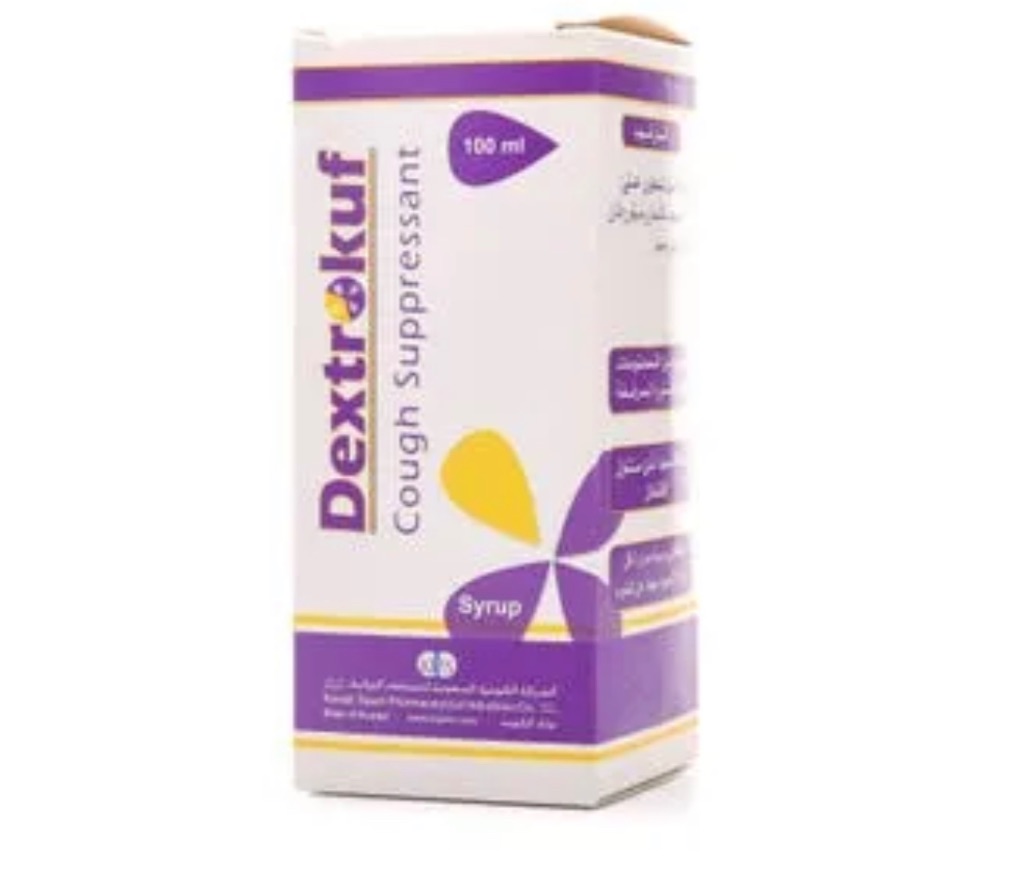
Dextrokuf Cough Suppressant Syrup
AI-Powered Safety Report · SafeShelf
⚕️ Data Aggregation & Medical Disclaimer
SafeShelf is a technology platform, not a medical provider. This analysis is generated by an AI system that aggregates public regulatory data (such as EU and FDA databases) and is provided for educational and informational purposes only. It is not medical advice, a clinical diagnosis, or a substitute for professional healthcare guidance. SafeShelf has no doctors on staff and cannot guarantee the accuracy of AI-generated assessments.
Do not make health, dietary, or medical decisions based solely on this report. Always consult a qualified healthcare professional — especially if you have a medical condition, are pregnant, take prescription medications, or are acting on behalf of an infant or child.
Do not make health, dietary, or medical decisions based solely on this report. Always consult a qualified healthcare professional — especially if you have a medical condition, are pregnant, take prescription medications, or are acting on behalf of an infant or child.
40
Moderate
Dextrokuf Cough Suppressant Syrup
cough suppressant syrup
medium confidence
This product is a cough suppressant syrup containing Dextromethorphan. As an over-the-counter medication, it requires careful dosing and carries risks of drug interactions, particularly with antidepressants (MAOIs/SSRIs). The ingredient list is not fully visible in the provided image, necessitating caution regarding inactive ingredients like sugar or artificial dyes.
📊 Score Breakdown
Drug Interaction Risk
30% of overall
30
Dextromethorphan has significant interactions with MAOIs and certain antidepressants; consult a pharmacist before use.
Megadose Toxicity
25% of overall
50
Risk of overdose if recommended dosage is exceeded; follow label instructions strictly.
Bioavailability Quality
20% of overall
50
Standard pharmaceutical formulation for cough suppression.
Filler Quality
15% of overall
40
Ingredient list is obscured; potential for artificial sweeteners, dyes, or preservatives.
Label Transparency
10% of overall
30
Key ingredient information is not fully visible in the provided image.
🚨 Critical Warnings
⚠️ CRITICAL: Do not use if taking MAO inhibitors or within 14 days of stopping them.
Consult a physician if cough persists for more than 7 days or is accompanied by high fever.
Ingredient list may be incomplete due to image crop.
✅ What's Good
- ✓Effective cough suppression for dry, non-productive coughs
⚠️ Flagged Ingredients
Dextromethorphan
MEDIUM
Active drug compound; can cause drowsiness, dizziness, and severe interactions with other medications.
🔬 Full Ingredient Breakdown
Every identified ingredient classified by safety level.
Dextromethorphan
moderate
💡 Recommendations
- →Consult a healthcare professional or pharmacist before starting this medication.
- →Check the full ingredient list on the physical packaging for potential allergens or sugar content.
- →Do not exceed the recommended dose as stated on the bottle.
⚕️ Reminder: This AI report is for informational purposes only and does not replace
professional medical advice. Ingredient safety can vary based on individual health factors, dosage,
product formulation, and applicable regulations in your country. SafeShelf assumes no liability for
decisions made based on this analysis.