What is Folio?
Folio is a dietary supplement primarily formulated to deliver essential folic acid and iodine, nutrients crucial for overall health, particularly for women of childbearing age or those planning pregnancy. Positioned as a prenatal-style supplement, it aims to support maternal health and fetal development. Unlike a comprehensive multivitamin, Folio focuses on these two specific micronutrients, making it a targeted addition to a balanced diet rather than a complete nutritional replacement. It is typically found in tablet form and is designed for daily oral intake.
The ingredient breakdown
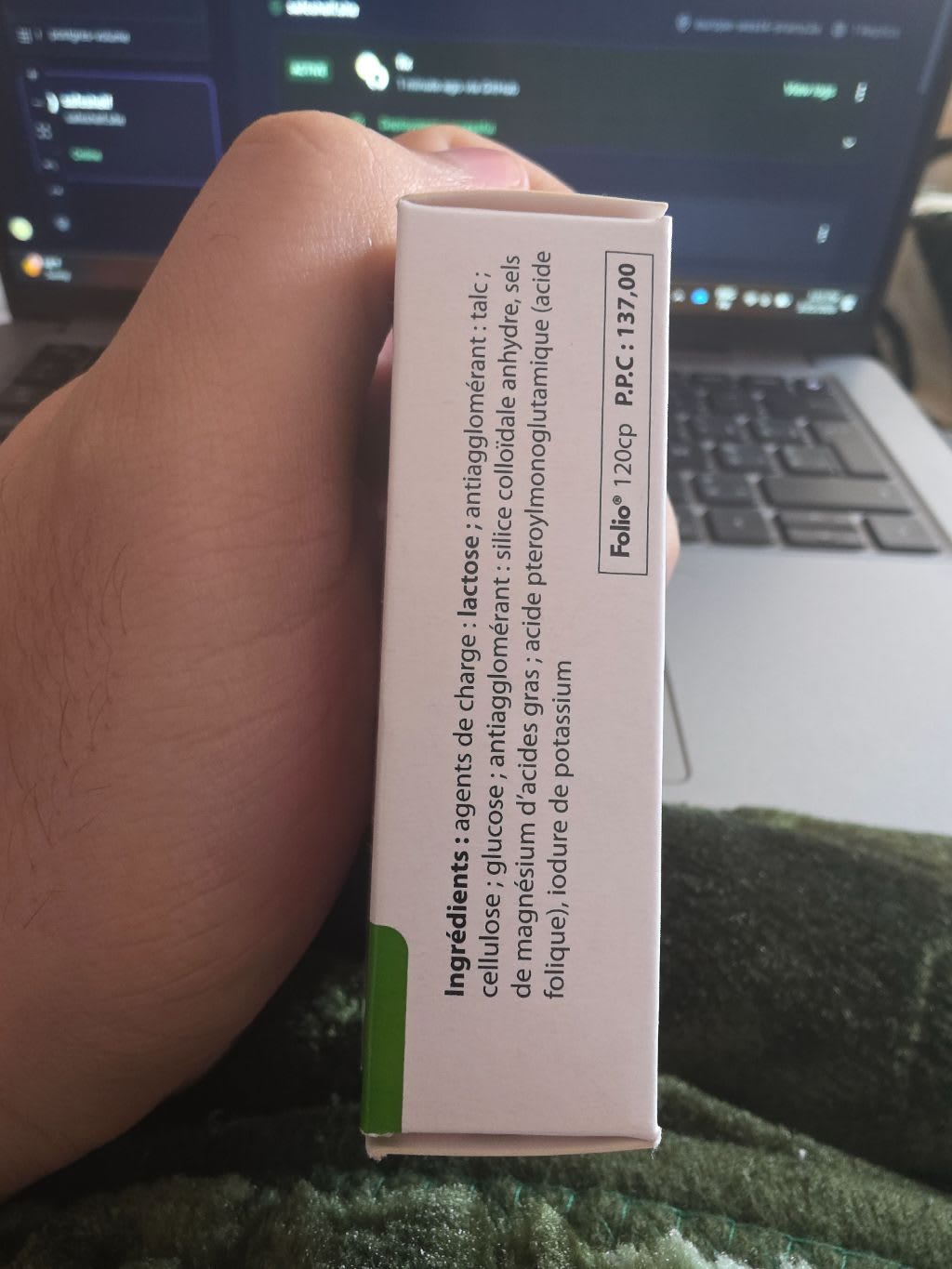
Folio features a relatively straightforward ingredient profile, centered around its two primary active components. Beyond these, the formulation includes a modest number of common excipients, which are inactive substances used to bind, fill, or stabilize the tablet. The overall composition is lean, minimizing unnecessary additives while ensuring the delivery of its key nutrients.
Key Nutrients: Folic Acid and Iodine
The core of Folio's formulation lies in Folic acid (pteroylmonoglutamic acid) and Potassium iodide. Folic acid is a B vitamin vital for cell growth and DNA synthesis, playing a critical role in preventing neural tube defects during early pregnancy. Regulatory bodies like the FDA and EFSA strongly recommend adequate folic acid intake for pregnant individuals. Potassium iodide provides iodine, an essential trace element necessary for the production of thyroid hormones, which regulate metabolism, growth, and development. Both are generally recognized as safe and beneficial when consumed within recommended daily allowances.
Excipients and Tablet Binders
To form the tablet and ensure stability, Folio includes several excipients. These include cellulose, a plant-derived fiber used as a binder and filler; glucose, a simple sugar that can act as a binder; colloidal anhydrous silica (silice colloïdale anhydre), an anti-caking agent; and magnesium salts of fatty acids (sels de magnésium d'acides gras), often used as lubricants to prevent ingredients from sticking during manufacturing. Talc, another common excipient, is used as a glidant and anti-caking agent. These ingredients are widely used in pharmaceuticals and supplements and are considered safe by regulatory agencies in the amounts typically found in oral tablets.
Potential Allergen: Lactose
One notable ingredient in Folio is lactose, a sugar found in milk. In this supplement, lactose typically functions as a filler or binder, helping to give the tablet its form and consistency. While generally harmless for most, lactose can pose a risk for individuals with lactose intolerance, leading to digestive discomfort such as bloating, gas, and diarrhea, or for those with a more severe milk allergy, which can trigger an immune response. The presence of lactose necessitates caution for these specific populations.
What this means for your health
For the majority of individuals, particularly those seeking to supplement folic acid and iodine for prenatal health or general well-being, Folio is a generally safe and effective option. The inclusion of these essential nutrients aligns with public health recommendations from bodies like the FDA and EFSA. However, specific populations need to exercise caution. Individuals with diagnosed lactose intolerance or a dairy allergy should avoid Folio due to the presence of lactose, which could trigger adverse digestive or allergic reactions.
Furthermore, due to the iodine content, those with pre-existing thyroid conditions, such as hyperthyroidism or certain autoimmune thyroid diseases, should consult their physician before taking Folio. Excessive iodine intake can exacerbate or interfere with the management of these conditions. For the average consumer without these specific sensitivities or conditions, the realistic exposure risk from Folio, when used as directed, is low, and the benefits of its key nutrients are significant.
Safer alternatives to consider
If you have lactose intolerance, a dairy allergy, or a thyroid condition, there are safer alternatives for obtaining essential folic acid and iodine. Look for supplements explicitly labeled as "lactose-free" or "dairy-free" to avoid potential allergens. For iodine, consider supplements that offer alternative forms or allow for more precise dosage control under medical supervision, especially if you have a thyroid condition. Always prioritize products with minimal inactive ingredients and consult with a healthcare professional to ensure the supplement meets your individual health needs without posing undue risks.
The bottom line
Folio serves as a beneficial source of folic acid and iodine, two critical nutrients, especially for women in their reproductive years. Its formulation is largely safe and straightforward, earning it a high overall safety score. However, the presence of lactose means it is not suitable for individuals with lactose intolerance or dairy allergies. Additionally, those with thyroid conditions should seek medical advice before use due to the iodine content. For the average reader, Folio is a good choice if these specific caveats do not apply, but always check the label and consult a healthcare provider if unsure.