SUPPLEMENT ANALYSIS

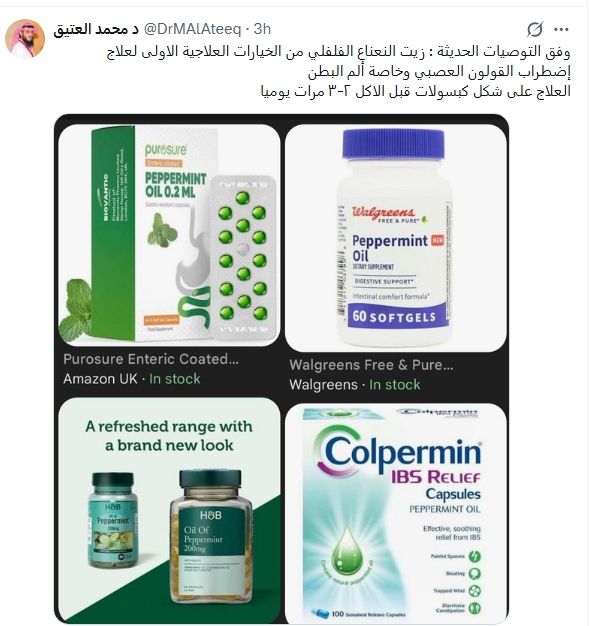
Peppermint Oil Capsules (Various Brands: Purosure, Walgreens, Colpermin)

AI-Powered Safety Report · SafeShelf

🌐 This is a public scan General scans are publicly accessible and may appear in search engines and the community Discover gallery. Do not upload labels containing personal information. If you want a private analysis tailored to your health, create a free account and use Personalised Scanning →
⚕️ Data Aggregation & Medical Disclaimer SafeShelf is a technology platform, not a medical provider. This analysis is generated by an AI system that aggregates public regulatory data (such as EU and FDA databases) and is provided for educational and informational purposes only. It is not medical advice, a clinical diagnosis, or a substitute for professional healthcare guidance. SafeShelf has no doctors on staff and cannot guarantee the accuracy of AI-generated assessments.

Do not make health, dietary, or medical decisions based solely on this report. Always consult a qualified healthcare professional — especially if you have a medical condition, are pregnant, take prescription medications, or are acting on behalf of an infant or child.

85
Excellent
Peppermint Oil Capsules (Various Brands: Purosure, Walgreens, Colpermin)
enteric-coated peppermint oil for IBS high confidence

These products are enteric-coated peppermint oil supplements commonly used for the symptomatic relief of Irritable Bowel Syndrome (IBS). The enteric coating is a critical feature that prevents the oil from releasing in the stomach, thereby reducing the risk of heartburn and reflux.
📊 Score Breakdown
Drug Interaction Risk
30% of overall
90
Peppermint oil can potentially increase the absorption of certain medications; consult a doctor if taking calcium channel blockers or cyclosporine.
Megadose Toxicity
25% of overall
100
Standard doses of peppermint oil in capsule form are generally well-tolerated.
Bioavailability Quality
20% of overall
90
Enteric coating is the gold standard for this supplement to ensure delivery to the intestines.
Filler Quality
15% of overall
70
Capsule shells may contain gelatin or other excipients; check specific labels for dietary restrictions.
Label Transparency
10% of overall
80
Brands like Colpermin are well-established, though individual supplement labels vary in detail.
🚨 Critical Warnings
Do not chew or crush the capsules, as this destroys the enteric coating and may cause severe heartburn.
Consult a physician before use if you have a history of gallstones or severe GERD.
Not recommended for children without medical supervision.
✅ What's Good
  • Enteric coating prevents gastric irritation and heartburn
  • Effective for reducing abdominal spasms and bloating associated with IBS
  • Natural antispasmodic properties
⚠️ Flagged Ingredients
Peppermint Oil (in high doses) LOW
Can cause heartburn or anal burning if the enteric coating is compromised or if taken in excess.
🔬 Full Ingredient Breakdown

Every identified ingredient classified by safety level.

Peppermint Oil beneficial
Enteric Coating beneficial
💡 Recommendations
  • Take capsules 30-60 minutes before meals as directed.
  • Swallow the capsule whole with a full glass of water.
  • If you experience persistent heartburn, discontinue use and consult your doctor.
📚 Regulatory & Toxicological Context

The analysis for Peppermint Oil Capsules (Various Brands: Purosure, Walgreens, Colpermin) relies on aggregated data from global regulatory bodies. When evaluating products in the supplement category, our AI cross-references ingredients against databases such as the European Chemicals Agency (ECHA), the US Food and Drug Administration (FDA) GRAS list, and the International Agency for Research on Cancer (IARC).

Consumer products often contain complex chemical formulations. While individual ingredients may be legally permitted in certain jurisdictions, emerging toxicological research frequently highlights the risks of bioaccumulation, endocrine disruption, and gut microbiome degradation. SafeShelf's mission is to provide transparent, accessible translations of these complex chemical nomenclatures so consumers can make informed decisions about their household exposure.

⚕️ Reminder: This AI report is for informational purposes only and does not replace professional medical advice. Ingredient safety can vary based on individual health factors, dosage, product formulation, and applicable regulations in your country. SafeShelf assumes no liability for decisions made based on this analysis.

🔍 Related Scans in this Category

What is Peppermint Oil Capsules?

Peppermint Oil Capsules, sold under various brands like Purosure, Walgreens, and Colpermin, are dietary supplements primarily marketed for the symptomatic relief of Irritable Bowel Syndrome (IBS). These capsules are specifically designed with an enteric coating, a crucial feature that ensures the peppermint oil bypasses the stomach and releases directly into the intestines. This targeted delivery helps to mitigate common side effects such as heartburn and reflux, which can occur if the oil is released prematurely in the stomach. They are typically used by adults seeking a natural approach to manage digestive discomfort.

The ingredient breakdown

These peppermint oil supplements feature a relatively simple ingredient profile, with the primary active component being peppermint oil itself, complemented by an essential enteric coating. The overall composition is designed for targeted delivery and efficacy, though consumers should be aware that capsule shells may contain additional excipients.

The core active ingredient is Peppermint Oil, derived from the peppermint plant (Mentha piperita). In the context of IBS, peppermint oil acts as a natural antispasmodic, meaning it helps to relax the smooth muscles of the gastrointestinal tract. This mechanism is thought to reduce abdominal spasms, bloating, and discomfort. While generally recognized as safe (GRAS) by the FDA for food use, concentrated forms in supplements require careful dosing. High doses or premature release in the stomach can lead to irritation, such as heartburn or, in rare cases, anal burning.

The critical component for safe and effective use is the Enteric Coating. This specialized coating is designed to resist stomach acid, preventing the peppermint oil from being released until it reaches the small intestine. Without this coating, the concentrated oil would likely cause significant gastric irritation and heartburn. The quality of this coating is paramount for the product's benefits and user comfort. Beyond the active oil and coating, capsule shells often contain other excipients, such as gelatin or plant-based alternatives, which contribute to the capsule's structure and stability. Consumers with dietary restrictions should always check specific product labels for these additional ingredients.

What this means for your health

For most healthy adults experiencing IBS symptoms, enteric-coated peppermint oil capsules are generally well-tolerated and can be an effective aid when used as directed. The primary health implication revolves around the integrity of the enteric coating. It is crucial never to chew or crush these capsules, as doing so destroys the protective coating and can lead to severe heartburn and gastric upset. Individuals with a history of gallstones or severe gastroesesophageal reflux disease (GERD) should consult a physician before use, as peppermint oil can sometimes exacerbate these conditions.

The realistic exposure risk for an average consumer using this product as intended is low. However, there are potential drug interactions to be aware of; peppermint oil can theoretically increase the absorption of certain medications, including calcium channel blockers and cyclosporine. Therefore, it is always wise to discuss any supplement use with your healthcare provider, especially if you are on prescription medications. These supplements are also not recommended for children without explicit medical supervision due to a lack of extensive safety data in pediatric populations.

Safer alternatives to consider

When seeking alternatives for IBS management, consider products that prioritize similar mechanisms with minimal additives. Look for other enteric-coated peppermint oil supplements that clearly state their excipients and are free from artificial colors, flavors, or unnecessary fillers. Beyond peppermint oil, dietary changes like the low-FODMAP diet, or other natural remedies such as ginger or chamomile, may offer relief for some individuals. Always prioritize products with transparent labeling and certifications from reputable third parties to ensure ingredient quality and accurate dosing.

The bottom line

Peppermint Oil Capsules, particularly those with an enteric coating, offer a generally safe and effective option for managing IBS symptoms. Their ability to deliver peppermint oil directly to the intestines minimizes gastric irritation, a significant benefit. While the overall risk is low for most users, it's vital to adhere to dosing instructions, avoid crushing capsules, and be mindful of potential drug interactions or pre-existing conditions like gallstones. For the average reader experiencing IBS, these capsules can be a valuable tool, but always consult a healthcare professional to ensure it's the right choice for your specific health needs.

❓ Frequently Asked Questions
Are enteric-coated peppermint oil capsules safe for IBS?

Yes, enteric-coated peppermint oil capsules are generally considered safe and effective for managing IBS symptoms when used as directed. The coating is crucial as it prevents the oil from releasing in the stomach, thereby reducing the risk of heartburn and gastric irritation, ensuring targeted relief in the intestines.

What are the main side effects of peppermint oil capsules?

The most common side effect is heartburn or acid reflux, especially if the enteric coating is compromised by chewing or crushing the capsule. In rare cases, high doses can cause anal burning. Peppermint oil can also interact with certain medications, such as calcium channel blockers and cyclosporine, potentially increasing their absorption.

Can children take peppermint oil capsules for digestive issues?

Peppermint oil capsules are generally not recommended for children without explicit medical supervision. There is limited safety data for pediatric populations, and the appropriate dosage and potential side effects may differ significantly compared to adults. Always consult a pediatrician before administering any new supplement to a child.

The editorial article above was AI-generated from this product's ingredient analysis. It is for informational purposes only and is not medical advice.

Get a Personalised Analysis

Register free and scans will be tailored to your medications, conditions, and health goals.

Register Free →