What is Coca-Cola Original Formula?
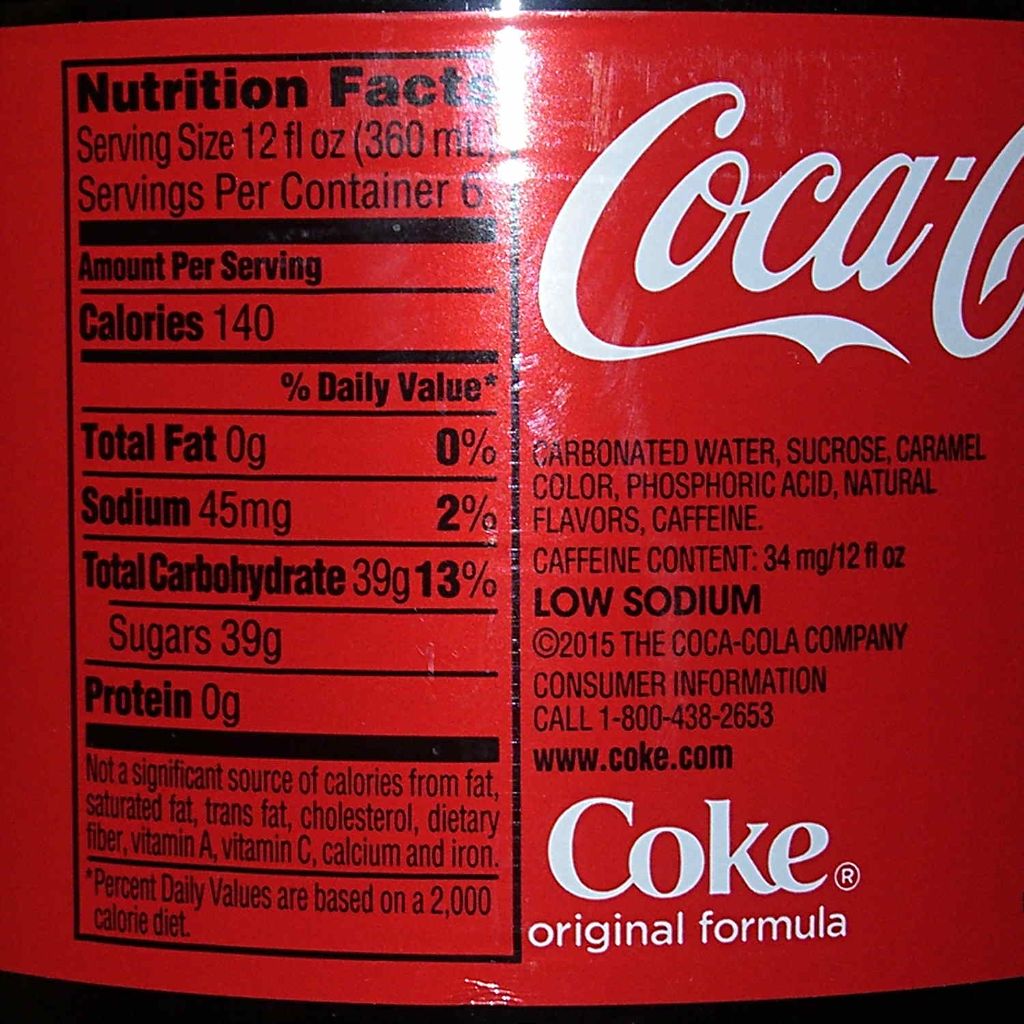
Coca-Cola Original Formula is a widely recognized carbonated soft drink, primarily composed of carbonated water, high levels of added sugar, and flavorings. Marketed globally, it falls into the category of ultra-processed beverages, designed for refreshment and taste rather than nutritional value. Its iconic status and sweet profile appeal to a broad consumer base, often consumed as an everyday beverage or a treat. Unlike diet sodas, it contains significant caloric content derived almost entirely from sugar.
The ingredient breakdown
The ingredient profile of Coca-Cola Original Formula is relatively simple, consisting of a handful of components that contribute to its distinctive taste and appearance. While seemingly straightforward, a closer look reveals several ingredients that warrant attention from a health perspective, particularly concerning sugar content and certain additives.
Sweeteners: Sucrose
The primary sweetener in Coca-Cola Original Formula is sucrose, commonly known as table sugar. Sucrose provides the product's characteristic sweetness and contributes significantly to its caloric content. However, high intake of refined added sugars like sucrose is a major public health concern. Regular consumption of sugar-sweetened beverages is strongly linked to an increased risk of metabolic syndrome, type 2 diabetes, obesity, and dental caries due to its erosive effect on tooth enamel. Health organizations like the World Health Organization (WHO) and the U.S. Dietary Guidelines for Americans recommend limiting intake of added sugars to reduce these health risks.
Acids and Colors: Phosphoric Acid and Caramel Color
Phosphoric acid serves as an acidulant, providing the tartness that balances the sweetness and acts as a preservative. While approved by the FDA for use in food, excessive intake of phosphoric acid has been associated with potential reductions in bone mineral density, particularly in individuals with lower calcium intake, and can contribute to dental enamel erosion. Caramel color gives Coca-Cola its distinctive brown hue. Some types of caramel color, specifically Class IV caramel color, can contain trace amounts of 4-methylimidazole (4-MEI), a compound that has shown carcinogenic potential in animal studies. While the FDA considers current exposure levels safe, some regulatory bodies, like California's Proposition 65, list 4-MEI as a carcinogen, and the European Food Safety Authority (EFSA) has evaluated its safety.
Flavor and Stimulant: Natural Flavors and Caffeine
"Natural flavors" are a critical component of Coca-Cola's unique taste profile. These are proprietary blends designed to deliver specific sensory experiences. Caffeine is included as a mild stimulant, contributing to the beverage's invigorating effect. While caffeine is generally recognized as safe in moderate amounts by the FDA, excessive intake can lead to jitters, sleep disturbances, and increased heart rate, especially in sensitive individuals.
Regulatory standing and hidden ingredients
A notable aspect of Coca-Cola Original Formula's ingredient list is the inclusion of "Natural Flavors." Under current regulations in the United States, ingredients labeled as "natural flavors" are proprietary blends. This means manufacturers are not required to disclose the individual chemical constituents, solvents, or preservatives that make up these flavorings. Consequently, consumers lack transparency regarding the full spectrum of substances they are ingesting, which can include dozens of unlisted compounds. This opacity can be a concern for individuals with sensitivities or those who prefer to know exactly what is in their food and beverages.
What this means for your health
For the average consumer, moderate and infrequent consumption of Coca-Cola Original Formula is unlikely to pose immediate severe health risks. However, its high sugar content and the presence of phosphoric acid mean that regular or excessive consumption carries significant health implications. Individuals at higher risk for metabolic conditions like type 2 diabetes, obesity, or those with existing dental issues should be particularly cautious. Children, due to their smaller body size and developing systems, are more susceptible to the effects of high sugar intake and caffeine, making regular consumption ill-advised.
The realistic exposure risk for an average consumer using this product as intended (i.e., as a regular beverage) is primarily related to chronic conditions linked to high sugar intake. The cumulative effect of 39 grams of added sugar per serving, combined with the potential for phosphoric acid to affect bone health over time, suggests that this product should be considered an occasional treat rather than a dietary staple. Pregnant individuals may also want to limit caffeine intake and be mindful of overall sugar consumption.
Safer alternatives to consider
For those seeking healthier beverage options, focusing on products with minimal or no added sugars is key. Look for drinks primarily based on water, such as plain or sparkling water infused with fresh fruit or herbs. Unsweetened teas, coffee (in moderation), or plant-based milks without added sugars are also excellent choices. Prioritize beverages with transparent ingredient lists, avoiding those that rely heavily on "natural flavors" or other undisclosed blends, and opt for products free from artificial colors and excessive acidulants where possible.
The bottom line
Coca-Cola Original Formula offers a familiar taste but comes with significant nutritional drawbacks, primarily its high added sugar content and the presence of phosphoric acid. While occasional consumption may not be harmful, its regular inclusion in the diet contributes to risks for metabolic diseases, dental erosion, and provides no nutritional benefits. Consumers should be aware of the opaque "natural flavors" and consider this beverage an infrequent indulgence rather than a regular part of a healthy lifestyle, opting for water or unsweetened alternatives for daily hydration.