FOOD ANALYSIS

Coca-Cola Classic

AI-Powered Safety Report · SafeShelf

🌐 This is a public scan General scans are publicly accessible and may appear in search engines and the community Discover gallery. Do not upload labels containing personal information. If you want a private analysis tailored to your health, create a free account and use Personalised Scanning →
⚕️ Data Aggregation & Medical Disclaimer SafeShelf is a technology platform, not a medical provider. This analysis is generated by an AI system that aggregates public regulatory data (such as EU and FDA databases) and is provided for educational and informational purposes only. It is not medical advice, a clinical diagnosis, or a substitute for professional healthcare guidance. SafeShelf has no doctors on staff and cannot guarantee the accuracy of AI-generated assessments.

Do not make health, dietary, or medical decisions based solely on this report. Always consult a qualified healthcare professional — especially if you have a medical condition, are pregnant, take prescription medications, or are acting on behalf of an infant or child.

45
Moderate
Coca-Cola Classic
carbonated soft drink high confidence

This product is an ultra-processed, sugar-sweetened beverage. It provides no significant nutritional value and contains phosphoric acid and artificial coloring, making it a high-sugar, low-nutrient food choice suitable only for occasional consumption.

📊 Score Breakdown
Additive Safety
25% of overall
40
Contains caramel color (E150d) and phosphoric acid, which are standard for this category but carry health concerns regarding regular intake.
Sugar Concern
20% of overall
0
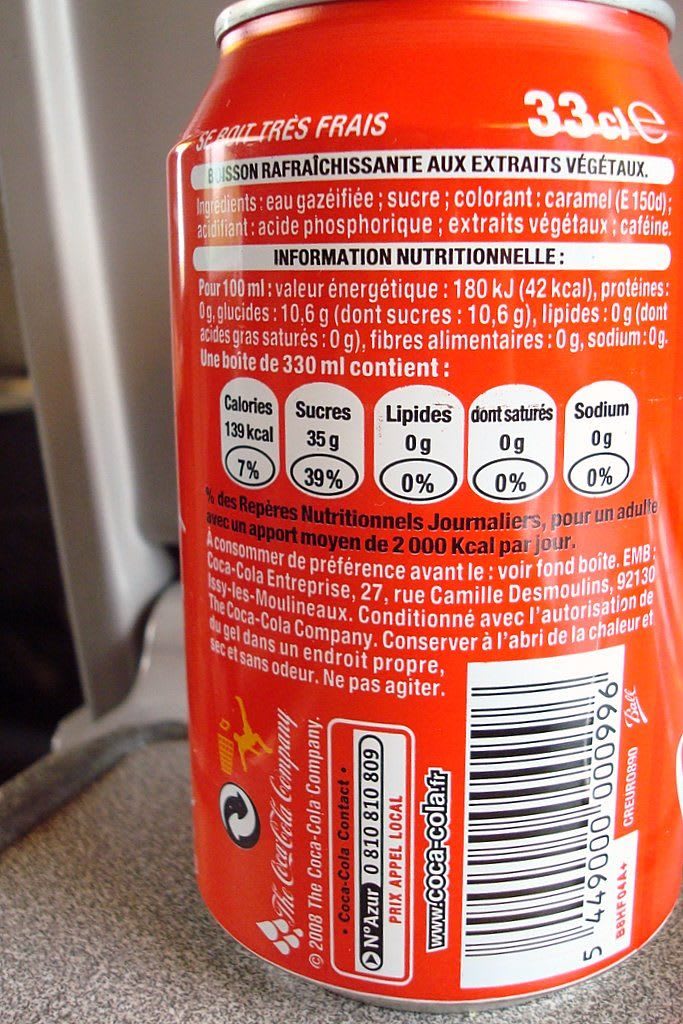
Extremely high content of refined sugar (35g per 330ml), exceeding recommended daily limits for added sugars.
Ingredient Quality
20% of overall
30
Highly processed formulation consisting primarily of carbonated water, refined sugar, and additives.
Nutritional Value
15% of overall
20
Empty calories with zero protein, fibre, or beneficial micronutrients.
Allergen Clarity
10% of overall
100
No common allergens identified in the ingredient list.
Preservative Load
10% of overall
80
The product does not rely on heavy synthetic preservatives, as it is shelf-stable via carbonation and acidity.
🚨 Critical Warnings
High sugar content significantly increases risk of dental caries, metabolic syndrome, and obesity with frequent consumption.
⚠️ Flagged Ingredients
Sucrose (Sucre) HIGH
Excessive added sugar content (35g per can) contributes to metabolic health issues.
Caramel (E150d) MEDIUM
Artificial color associated with potential health concerns in large, long-term quantities.
Phosphoric Acid MEDIUM
Acidity can negatively impact dental enamel and bone mineral density with chronic overconsumption.
🔬 Full Ingredient Breakdown

Every identified ingredient classified by safety level.

eau gazeifiée safe
sucre harmful
colorant: caramel (E150d) moderate
acide phosphorique moderate
extraits végétaux safe
caféine moderate
💡 Recommendations
  • Limit consumption to occasional treats rather than daily hydration.
  • Rinse mouth with water after consumption to reduce sugar exposure to dental enamel.
📚 Regulatory & Toxicological Context

The analysis for Coca-Cola Classic relies on aggregated data from global regulatory bodies. When evaluating products in the food category, our AI cross-references ingredients against databases such as the European Chemicals Agency (ECHA), the US Food and Drug Administration (FDA) GRAS list, and the International Agency for Research on Cancer (IARC).

Consumer products often contain complex chemical formulations. While individual ingredients may be legally permitted in certain jurisdictions, emerging toxicological research frequently highlights the risks of bioaccumulation, endocrine disruption, and gut microbiome degradation. SafeShelf's mission is to provide transparent, accessible translations of these complex chemical nomenclatures so consumers can make informed decisions about their household exposure.

⚕️ Reminder: This AI report is for informational purposes only and does not replace professional medical advice. Ingredient safety can vary based on individual health factors, dosage, product formulation, and applicable regulations in your country. SafeShelf assumes no liability for decisions made based on this analysis.

🔍 Related Scans in this Category

What is Coca-Cola Classic?

Coca-Cola Classic is a widely recognized carbonated soft drink, primarily marketed as a refreshing beverage for general consumption. It falls into the category of ultra-processed, sugar-sweetened beverages, a class of foods characterized by high levels of added sugars, artificial colors, and other additives, offering minimal to no nutritional value. Its appeal lies in its distinctive sweet taste and effervescence, making it a popular choice for quick refreshment rather than a source of sustenance.

The ingredient breakdown

The ingredient profile of Coca-Cola Classic is relatively simple, consisting of just a handful of components. At its core, it's a blend of carbonated water, a significant amount of refined sugar, artificial coloring, and an acidifier, alongside natural flavorings and caffeine. This composition highlights its nature as a caloric beverage with limited nutritional complexity.

Sweeteners and Energy Content

The primary ingredient after water is sucrose, commonly known as table sugar. A single 330ml can of Coca-Cola Classic contains approximately 35 grams of added sugar, which significantly exceeds daily recommended limits for added sugars by major health organizations. Regular consumption of such high sugar levels is directly linked to an increased risk of metabolic health issues, including type 2 diabetes, obesity, and cardiovascular disease. The body processes sucrose rapidly, leading to blood sugar spikes and subsequent crashes, contributing to energy fluctuations and potential long-term health concerns.

Coloring and Acidity

Coca-Cola Classic derives its distinctive brown hue from Caramel (E150d), an artificial coloring agent. While approved for use by regulatory bodies like the FDA and EFSA, concerns have been raised regarding potential health implications, particularly from the compound 4-methylimidazole (4-MeI), a byproduct formed during the manufacturing of certain caramel colors. Although the levels in beverages are generally low, long-term, high-volume consumption has prompted some consumer advocacy groups to call for reduced exposure. Another key ingredient is phosphoric acid, which provides the beverage's tartness and acts as a preservative. Chronic overconsumption of phosphoric acid has been associated with potential negative impacts on dental enamel, increasing the risk of cavities, and may also affect bone mineral density, particularly in individuals with already compromised bone health.

Flavorings and Stimulants

The product also contains "extraits végétaux," which are plant extracts contributing to its proprietary flavor profile, and caffeine. Caffeine is a central nervous system stimulant, and while generally safe for most adults in moderate amounts, excessive intake can lead to jitters, sleep disturbances, and increased heart rate. For sensitive individuals or children, even moderate amounts can be impactful. The FDA considers caffeine generally recognized as safe (GRAS) in typical beverage amounts.

What this means for your health

For most individuals, occasional consumption of Coca-Cola Classic is unlikely to cause immediate harm. However, its high sugar content and acidity present significant risks with regular intake, primarily contributing to dental erosion, weight gain, and an increased likelihood of metabolic syndrome or type 2 diabetes over time. It offers no nutritional benefits, making it an empty calorie source.

Children and individuals with existing metabolic conditions or dental sensitivities should be particularly cautious. Pregnant or breastfeeding individuals should also limit caffeine and high sugar intake. The realistic risk for an average consumer is tied directly to frequency: infrequent use presents minimal concern, but daily consumption elevates the risk of chronic health issues.

Safer alternatives to consider

When seeking safer alternatives to sugar-sweetened carbonated drinks, prioritize beverages that offer hydration without excessive added sugars or artificial additives. Opt for plain water, sparkling water infused with fresh fruit, or unsweetened teas. If a sweet taste is desired, look for options sweetened with natural fruit juices in moderation, or those using non-nutritive sweeteners that have a strong safety profile. Products free from artificial colors like E150d and high levels of phosphoric acid would also be preferable to protect dental health and bone mineral density.

The bottom line

Coca-Cola Classic is an ultra-processed beverage high in refined sugar, artificial coloring, and phosphoric acid, offering no nutritional value. While an occasional indulgence for healthy adults is unlikely to cause harm, frequent consumption significantly increases risks for metabolic issues, dental erosion, and weight gain. It is not recommended for regular inclusion in a health-conscious diet; consumers should view it as an infrequent treat rather than a daily staple.

❓ Frequently Asked Questions
Is Coca-Cola Classic bad for your teeth?

Yes, frequent consumption of Coca-Cola Classic can be detrimental to dental health. Its high sugar content feeds bacteria that produce enamel-eroding acids, and the phosphoric acid directly contributes to enamel demineralization. This combination significantly increases the risk of dental caries and erosion over time.

What are the main health concerns with Coca-Cola Classic?

The primary health concerns stem from its high sugar content, which can lead to weight gain, increased risk of type 2 diabetes, and metabolic syndrome with regular consumption. Additionally, phosphoric acid may impact bone mineral density, and the artificial caramel coloring (E150d) has raised some long-term safety questions.

Is Coca-Cola Classic safe for children?

Coca-Cola Classic is not recommended for children. Its high sugar content can contribute to childhood obesity and dental issues, while the caffeine can disrupt sleep and cause jitters in their smaller bodies. Healthier alternatives like water or unsweetened milk are far more appropriate for children's development and well-being.

The editorial article above was AI-generated from this product's ingredient analysis. It is for informational purposes only and is not medical advice.

Get a Personalised Analysis

Register free and scans will be tailored to your medications, conditions, and health goals.

Register Free →