FOOD
ANALYSIS
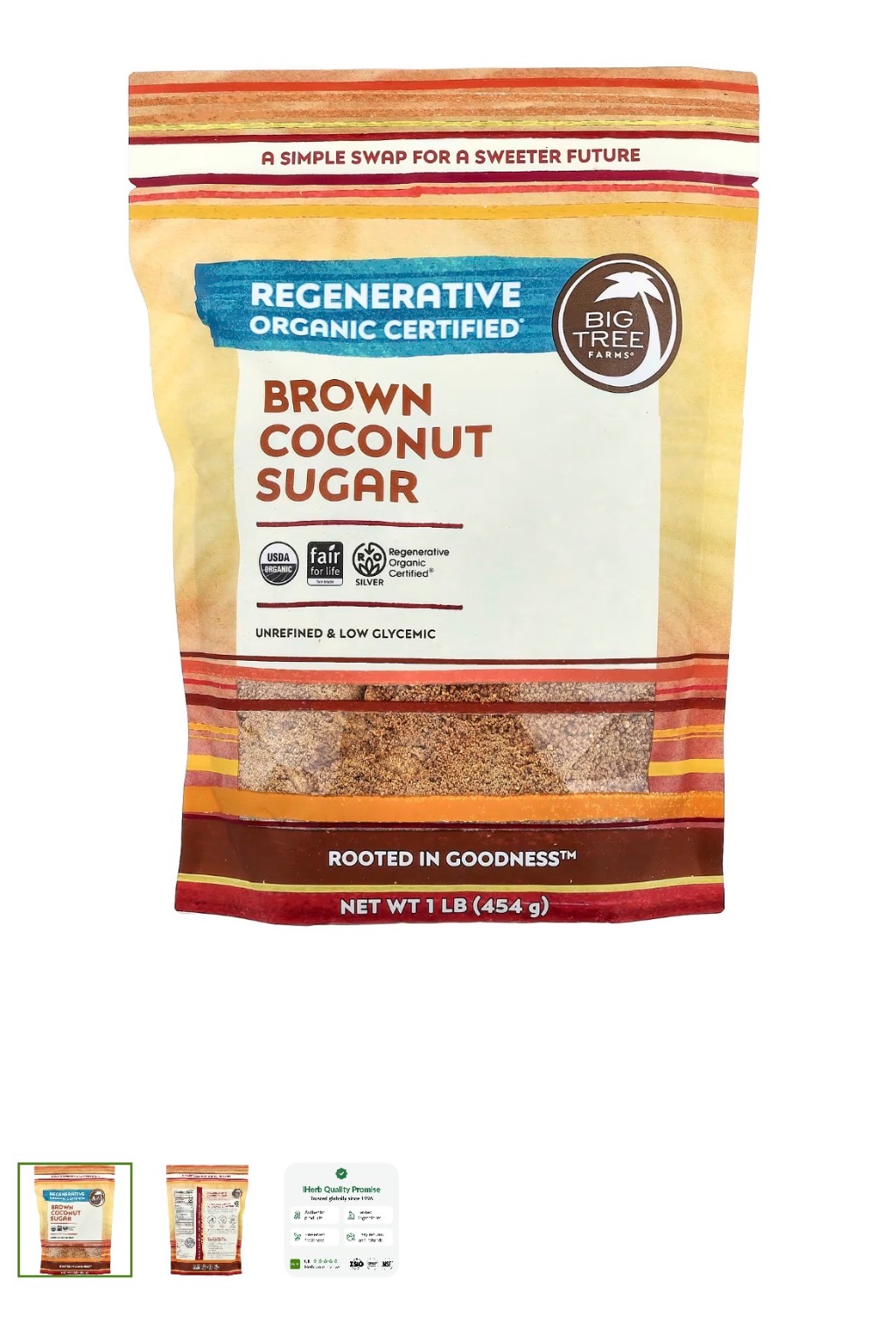
Big Tree Farms Regenerative Organic Certified Brown Coconut Sugar
AI-Powered Safety Report · SafeShelf
⚕️ Data Aggregation & Medical Disclaimer
SafeShelf is a technology platform, not a medical provider. This analysis is generated by an AI system that aggregates public regulatory data (such as EU and FDA databases) and is provided for educational and informational purposes only. It is not medical advice, a clinical diagnosis, or a substitute for professional healthcare guidance. SafeShelf has no doctors on staff and cannot guarantee the accuracy of AI-generated assessments.
Do not make health, dietary, or medical decisions based solely on this report. Always consult a qualified healthcare professional — especially if you have a medical condition, are pregnant, take prescription medications, or are acting on behalf of an infant or child.
Do not make health, dietary, or medical decisions based solely on this report. Always consult a qualified healthcare professional — especially if you have a medical condition, are pregnant, take prescription medications, or are acting on behalf of an infant or child.
95
Excellent
Big Tree Farms Regenerative Organic Certified Brown Coconut Sugar
unrefined sweetener
high confidence
This product is a single-ingredient, unrefined, and Regenerative Organic Certified coconut sugar. As a whole-food sweetener, it is a cleaner alternative to refined white sugar, though it should still be consumed in moderation as it is a source of added sugar.
📊 Score Breakdown
Additive Safety
25% of overall
100
Contains no artificial additives or preservatives.
Sugar Concern
20% of overall
100
While this is a sugar, it is a natural, unrefined whole-food product; score 100 with a moderation note.
Ingredient Quality
20% of overall
100
Single-ingredient, unrefined, and Regenerative Organic Certified.
Nutritional Value
15% of overall
80
Provides trace minerals compared to refined sugar, but remains a caloric sweetener.
Allergen Clarity
10% of overall
100
Coconut is the sole ingredient; no hidden allergens.
Preservative Load
10% of overall
100
No preservatives used.
🚨 Critical Warnings
Moderation is advised as this is a caloric sweetener and contributes to daily added sugar intake.
✅ What's Good
- ✓Regenerative Organic Certified
- ✓Unrefined and low glycemic index compared to table sugar
- ✓Single-ingredient whole food
🥜 Allergens Detected
These are personal risks — they are not universally harmful. People without these allergies or intolerances are unaffected.
Coconut
✅ No Flagged Ingredients
No harmful or concerning ingredients were detected in this product.
🔬 Full Ingredient Breakdown
Every identified ingredient classified by safety level.
Brown Coconut Sugar
beneficial
💡 Recommendations
- →Use as a 1:1 replacement for refined brown or white sugar in recipes.
- →Store in a cool, dry place to prevent clumping due to the natural moisture content of unrefined sugar.
⚕️ Reminder: This AI report is for informational purposes only and does not replace
professional medical advice. Ingredient safety can vary based on individual health factors, dosage,
product formulation, and applicable regulations in your country. SafeShelf assumes no liability for
decisions made based on this analysis.