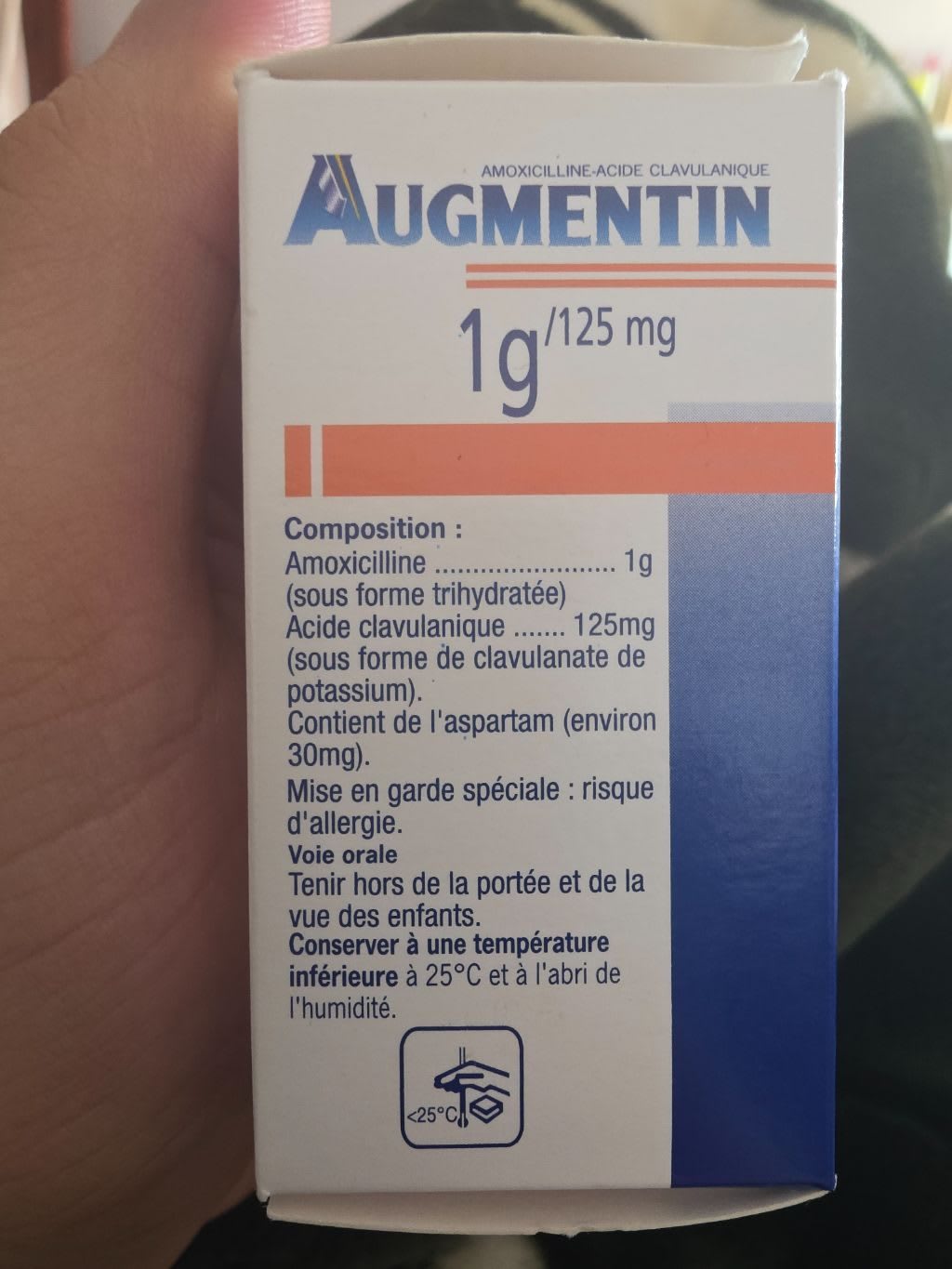
What is Augmentin 1g/125mg?
Augmentin 1g/125mg is a potent, prescription-only antibiotic medication designed to combat a wide range of bacterial infections. It is not a dietary supplement or an over-the-counter product, but a pharmaceutical drug prescribed by healthcare professionals. This medication is typically used to treat infections of the respiratory tract, urinary tract, skin, and other areas, and is formulated for adults and children who require a strong antibacterial agent. Its primary function is to eliminate harmful bacteria, thereby resolving the underlying infection.
The ingredient breakdown
Augmentin 1g/125mg contains two primary active pharmaceutical ingredients: amoxicillin and clavulanic acid, alongside aspartame as an excipient. This combination is specifically engineered to provide broad-spectrum antibacterial activity, targeting various bacterial strains that can cause illness. The formulation is designed for efficacy against resistant bacteria, a common challenge in antibiotic therapy.
The core active component is Amoxicillin, a penicillin-class antibiotic. Amoxicillin works by inhibiting the synthesis of bacterial cell walls, leading to the death of the bacteria. While highly effective against susceptible bacteria, amoxicillin carries a significant risk of severe allergic reactions, known as hypersensitivity, especially in individuals with a known penicillin allergy. The U.S. Food and Drug Administration (FDA) closely regulates its use, emphasizing the need for medical supervision due to these potential adverse effects and its impact on the body's natural microbiome, which can lead to digestive issues.
The second active ingredient is Clavulanic Acid. This compound is not an antibiotic itself but serves a crucial role in enhancing amoxicillin's effectiveness. Many bacteria produce an enzyme called beta-lactamase, which can break down and inactivate penicillin-type antibiotics like amoxicillin, rendering them ineffective. Clavulanic acid acts as a 'suicide inhibitor' for these beta-lactamase enzymes, protecting amoxicillin from degradation and allowing it to successfully attack the bacterial cell wall. This combination is vital for treating infections caused by beta-lactamase-producing bacteria.
Additionally, Augmentin 1g/125mg contains Aspartame, an artificial sweetener. Aspartame is used to improve the palatability of the medication, particularly in liquid formulations or chewable tablets. While generally recognized as safe by regulatory bodies like the FDA and the European Food Safety Authority (EFSA) for the general population, it is critical for individuals with phenylketonuria (PKU) to avoid aspartame. PKU is a rare genetic disorder where the body cannot metabolize phenylalanine, an amino acid found in aspartame, leading to its accumulation and potential neurological damage.
What this means for your health
The primary implication of Augmentin's ingredient profile is the absolute necessity of medical supervision. This is not a product to be self-prescribed or used without a confirmed bacterial infection. Misuse can lead to severe, life-threatening allergic reactions, particularly for those with a penicillin allergy. Furthermore, improper or unnecessary use of antibiotics like Augmentin contributes significantly to the global problem of antibiotic resistance, making future infections harder to treat for everyone. It is crucial to complete the full course of medication as prescribed, even if symptoms improve, to ensure all bacteria are eradicated and prevent resistance development.
Specific populations need extra caution. Individuals with a diagnosed penicillin allergy must never take Augmentin. Those with phenylketonuria (PKU) must avoid formulations containing aspartame due to the risk of phenylalanine accumulation. Pregnant or breastfeeding individuals should consult their doctor, as the safety profile needs to be carefully weighed against the benefits. For the average consumer, the realistic exposure risk is low *if* the medication is used strictly as prescribed by a healthcare professional for a bacterial infection. The danger arises from self-medication, incomplete courses, or using it for viral illnesses, which it cannot treat.
Safer alternatives to consider
When considering health, the 'safest alternative' to Augmentin is ensuring accurate diagnosis and appropriate treatment under medical guidance. For bacterial infections, the most effective and safest approach is to use the specific antibiotic prescribed by your doctor for the shortest effective duration. For viral illnesses, which antibiotics do not treat, focus on supportive care, rest, and symptomatic relief as recommended by a healthcare professional. Prioritizing preventive health measures, such as good hygiene and vaccinations, can also reduce the overall need for antibiotics. Never seek to replace a prescribed antibiotic with unproven 'natural' remedies, as this can lead to worsening infections and serious health complications.
The bottom line
Augmentin 1g/125mg is a highly effective and often life-saving antibiotic when used correctly under a doctor's supervision for bacterial infections. Its combination of amoxicillin and clavulanic acid is powerful against resistant strains. However, its potency comes with significant risks, including severe allergic reactions and the potential for contributing to antibiotic resistance if misused. For the average reader, the practical takeaway is clear: Augmentin should only be taken when prescribed by a medical professional, strictly following dosage and duration instructions, and never for self-treatment or viral infections.