UNKNOWN
ANALYSIS
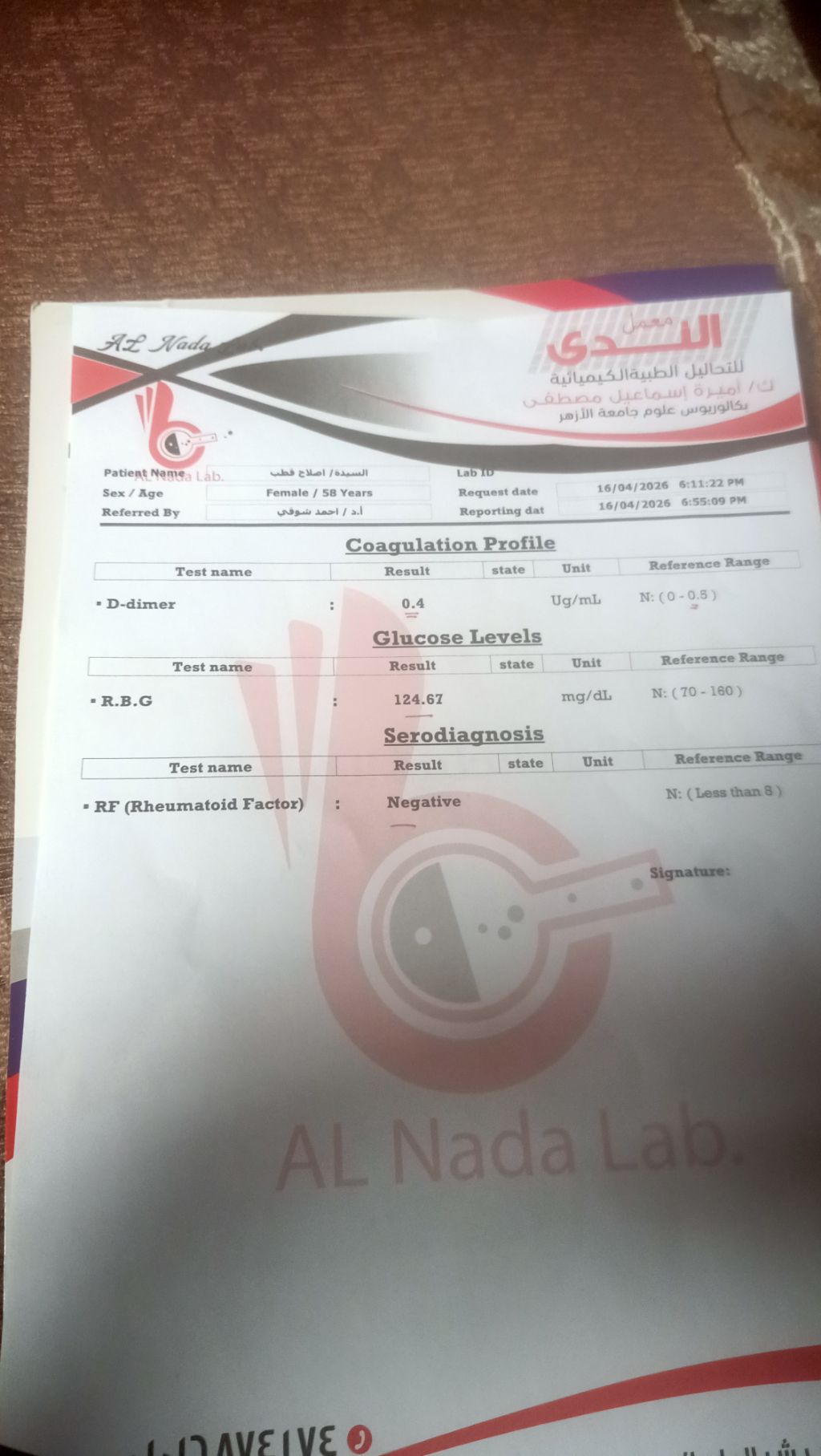
AL Nada Lab Medical Report
AI-Powered Safety Report · SafeShelf
⚕️ Data Aggregation & Medical Disclaimer
SafeShelf is a technology platform, not a medical provider. This analysis is generated by an AI system that aggregates public regulatory data (such as EU and FDA databases) and is provided for educational and informational purposes only. It is not medical advice, a clinical diagnosis, or a substitute for professional healthcare guidance. SafeShelf has no doctors on staff and cannot guarantee the accuracy of AI-generated assessments.
Do not make health, dietary, or medical decisions based solely on this report. Always consult a qualified healthcare professional — especially if you have a medical condition, are pregnant, take prescription medications, or are acting on behalf of an infant or child.
Do not make health, dietary, or medical decisions based solely on this report. Always consult a qualified healthcare professional — especially if you have a medical condition, are pregnant, take prescription medications, or are acting on behalf of an infant or child.
100
Excellent
AL Nada Lab Medical Report
medical laboratory test results
high confidence
This document is a medical laboratory report for a 58-year-old female patient. It contains clinical test results for D-dimer, Random Blood Glucose (RBG), and Rheumatoid Factor (RF), which are diagnostic data points rather than a consumer product.
📊 Score Breakdown
Visible Hazard Signals
40% of overall
100
No hazard symbols or warnings are present as this is a medical report.
Universal Red Flags
35% of overall
100
No harmful chemicals or ingredients are listed.
Label Readability
25% of overall
100
The document is clear and legible.
🚨 Critical Warnings
This document is a medical report. Please consult with the referring physician (Dr. Ahmed Shawky) to interpret these results in the context of your clinical health.
✅ What's Good
- ✓Clear diagnostic reporting
- ✓Standardized reference ranges provided
✅ No Flagged Ingredients
No harmful or concerning ingredients were detected in this product.
💡 Recommendations
- →Schedule a follow-up appointment with your doctor to discuss these findings.
- →Keep this report in your personal medical records.
⚕️ Reminder: This AI report is for informational purposes only and does not replace
professional medical advice. Ingredient safety can vary based on individual health factors, dosage,
product formulation, and applicable regulations in your country. SafeShelf assumes no liability for
decisions made based on this analysis.