SUPPLEMENT ANALYSIS

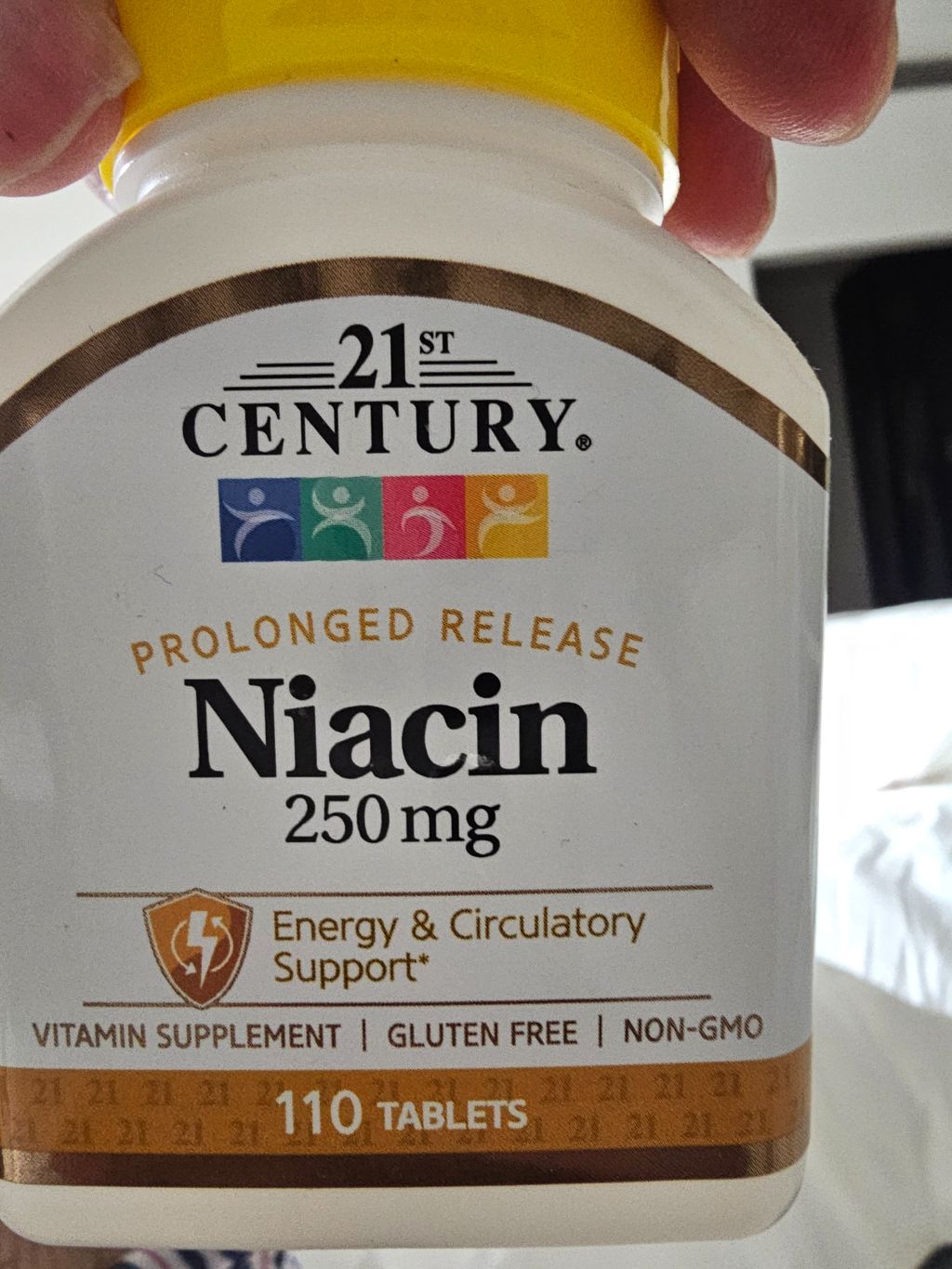
21st Century Prolonged Release Niacin 250 mg

AI-Powered Safety Report · SafeShelf

🌐 This is a public scan General scans are publicly accessible and may appear in search engines and the community Discover gallery. Do not upload labels containing personal information. If you want a private analysis tailored to your health, create a free account and use Personalised Scanning →
⚕️ Data Aggregation & Medical Disclaimer SafeShelf is a technology platform, not a medical provider. This analysis is generated by an AI system that aggregates public regulatory data (such as EU and FDA databases) and is provided for educational and informational purposes only. It is not medical advice, a clinical diagnosis, or a substitute for professional healthcare guidance. SafeShelf has no doctors on staff and cannot guarantee the accuracy of AI-generated assessments.

Do not make health, dietary, or medical decisions based solely on this report. Always consult a qualified healthcare professional — especially if you have a medical condition, are pregnant, take prescription medications, or are acting on behalf of an infant or child.

75
Good
21st Century Prolonged Release Niacin 250 mg
niacin vitamin supplement high confidence

This is a 250 mg prolonged-release niacin supplement intended for energy and circulatory support. While niacin is a vital B-vitamin, the 250 mg dose significantly exceeds the recommended daily allowance and carries a risk of 'niacin flush' and potential interactions with certain medications.
📊 Score Breakdown
Drug Interaction Risk
30% of overall
60
Niacin can interact with statins, blood pressure medications, and diabetes medications by altering blood sugar or lipid profiles.
Megadose Toxicity
25% of overall
50
250 mg is well above the 35 mg Tolerable Upper Intake Level (UL) for niacin, increasing the risk of flushing and gastrointestinal discomfort.
Bioavailability Quality
20% of overall
90
Prolonged-release formulations are designed to mitigate the intensity of the niacin flush effect.
Filler Quality
15% of overall
85
Standard excipients used in tablet manufacturing; no high-risk artificial dyes or problematic fillers identified.
Label Transparency
10% of overall
90
Clear dosage and product purpose provided.
🚨 Critical Warnings
Consult a physician before use if you are taking statins, blood pressure medication, or have a history of liver disease or gout.
Niacin can cause a harmless but uncomfortable 'flush' (redness, itching, or tingling of the skin) in some individuals.
✅ What's Good
  • Supports energy metabolism and circulatory health
  • Prolonged-release formula helps reduce the incidence of niacin flush
⚠️ Flagged Ingredients
Niacin (250 mg) MEDIUM
Dose exceeds the 35 mg UL; may cause flushing, liver enzyme elevation, or blood sugar fluctuations.
🔬 Full Ingredient Breakdown

Every identified ingredient classified by safety level.

Niacin moderate
💡 Recommendations
  • Start with a lower dose or take with food to minimize potential flushing.
  • Monitor for signs of liver stress (e.g., jaundice, dark urine) if taking high doses long-term.
  • Do not exceed the recommended dose without medical supervision.
📚 Regulatory & Toxicological Context

The analysis for 21st Century Prolonged Release Niacin 250 mg relies on aggregated data from global regulatory bodies. When evaluating products in the supplement category, our AI cross-references ingredients against databases such as the European Chemicals Agency (ECHA), the US Food and Drug Administration (FDA) GRAS list, and the International Agency for Research on Cancer (IARC).

Consumer products often contain complex chemical formulations. While individual ingredients may be legally permitted in certain jurisdictions, emerging toxicological research frequently highlights the risks of bioaccumulation, endocrine disruption, and gut microbiome degradation. SafeShelf's mission is to provide transparent, accessible translations of these complex chemical nomenclatures so consumers can make informed decisions about their household exposure.

⚕️ Reminder: This AI report is for informational purposes only and does not replace professional medical advice. Ingredient safety can vary based on individual health factors, dosage, product formulation, and applicable regulations in your country. SafeShelf assumes no liability for decisions made based on this analysis.

🔍 Related Scans in this Category

What is 21st Century Prolonged Release Niacin 250 mg?

21st Century Prolonged Release Niacin 250 mg is a dietary supplement designed to provide a sustained release of Vitamin B3, also known as niacin. Marketed to adults seeking support for energy metabolism and circulatory health, this product falls into the category of high-dose B-vitamin supplements. Its prolonged-release formulation aims to mitigate some of the common side effects associated with immediate-release niacin, particularly the uncomfortable 'niacin flush'.

The ingredient breakdown

This supplement features a relatively simple ingredient profile, primarily centered around a significant dose of niacin, along with standard excipients necessary for tablet formation and prolonged release. The formulation is notable for its high concentration of the active ingredient and the specific delivery mechanism.

The primary active ingredient is Niacin (Vitamin B3) at a dose of 250 mg. Niacin is an essential B-vitamin crucial for converting food into energy, supporting the nervous system, and maintaining healthy skin. However, the 250 mg dose in this product significantly exceeds the Tolerable Upper Intake Level (UL) of 35 mg per day for adults, as established by the Food and Nutrition Board of the Institute of Medicine. Doses above the UL are associated with an increased risk of adverse effects. The 'prolonged-release' aspect means the niacin is released slowly over several hours, which helps to reduce the intensity and duration of the common 'niacin flush' by preventing a rapid spike in blood niacin levels.

Beyond the active ingredient, the supplement contains typical tablet excipients such as microcrystalline cellulose, stearic acid, croscarmellose sodium, and magnesium stearate. These ingredients are generally recognized as safe (GRAS) by regulatory bodies like the FDA and are used to bind the tablet, facilitate its disintegration, and ensure a smooth manufacturing process. No high-risk artificial dyes or problematic fillers were identified in this formulation, indicating a focus on functional excipients.

What this means for your health

While niacin is a vital nutrient, the 250 mg dose in 21st Century Prolonged Release Niacin is considerably higher than the daily recommended intake and the established Tolerable Upper Intake Level. This elevated dosage means that while the prolonged-release mechanism helps reduce the immediate discomfort of the niacin flush (redness, itching, tingling), it doesn't eliminate the potential for other side effects. These can include gastrointestinal upset, liver enzyme elevation, and fluctuations in blood sugar levels, especially with long-term use.

Individuals should exercise particular caution and consult a healthcare professional before using this supplement if they are taking certain medications. Niacin can interact with statins (cholesterol-lowering drugs), blood pressure medications, and diabetes medications, potentially altering their effectiveness or increasing the risk of side effects. Those with a history of liver disease, gout, or peptic ulcers should also avoid high-dose niacin unless specifically advised by a physician, due to the increased risk of adverse reactions. The average consumer using this product as intended faces a moderate risk of experiencing the niacin flush and a low to moderate risk of more serious effects depending on their individual health profile and medication use.

Safer alternatives to consider

For individuals seeking to supplement niacin or support energy and circulatory health, safer alternatives often involve lower doses or different forms of the vitamin. Look for niacin supplements that provide doses closer to the Recommended Dietary Allowance (RDA) of 14-16 mg per day, or at least below the 35 mg UL, unless a higher dose is specifically prescribed and monitored by a healthcare provider for a medical condition. Alternatively, consider a comprehensive B-complex vitamin that provides balanced amounts of all B vitamins, or explore other supplements and lifestyle changes for energy and circulatory support that do not carry the same risks of high-dose niacin.

The bottom line

21st Century Prolonged Release Niacin 250 mg offers a high dose of niacin with a formulation designed to minimize the common flush. While niacin is essential for health, this product's dosage significantly exceeds recommended limits, posing a moderate risk of side effects like flushing, liver enzyme elevation, and drug interactions. For most individuals, especially those on medications or with pre-existing conditions, consulting a doctor before use is crucial. The average reader should approach this supplement with caution, understanding the potential risks associated with high-dose niacin.

❓ Frequently Asked Questions
Is 21st Century Prolonged Release Niacin 250 mg safe for daily use?

Daily use of 21st Century Prolonged Release Niacin 250 mg should be approached with caution. The 250 mg dose significantly exceeds the 35 mg Tolerable Upper Intake Level (UL) for niacin, increasing the risk of side effects like flushing, liver enzyme elevation, and potential drug interactions. Consult a healthcare professional before daily use.

What is 'niacin flush' and will this product cause it?

Niacin flush is a harmless but uncomfortable reaction characterized by skin redness, itching, or tingling. 21st Century Prolonged Release Niacin is designed to reduce the incidence and intensity of this flush due to its slow-release formulation. However, some individuals may still experience it, especially when first starting the supplement.

Can 21st Century Prolonged Release Niacin 250 mg interact with medications?

Yes, high-dose niacin can interact with several medications. It may affect statins, blood pressure medications, and diabetes drugs, potentially altering their efficacy or increasing side effects. Individuals taking these or other prescription medications, or those with liver disease or gout, should consult a physician before using this supplement.

The editorial article above was AI-generated from this product's ingredient analysis. It is for informational purposes only and is not medical advice.

Get a Personalised Analysis

Register free and scans will be tailored to your medications, conditions, and health goals.

Register Free →