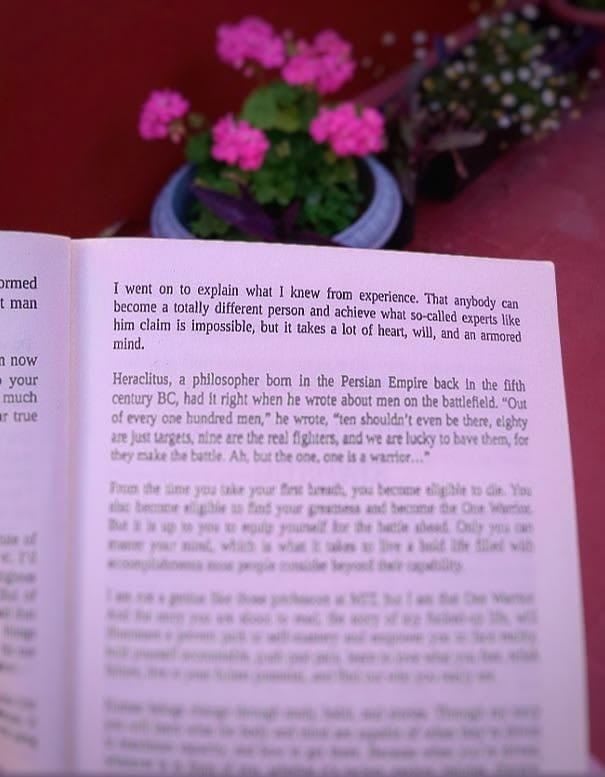

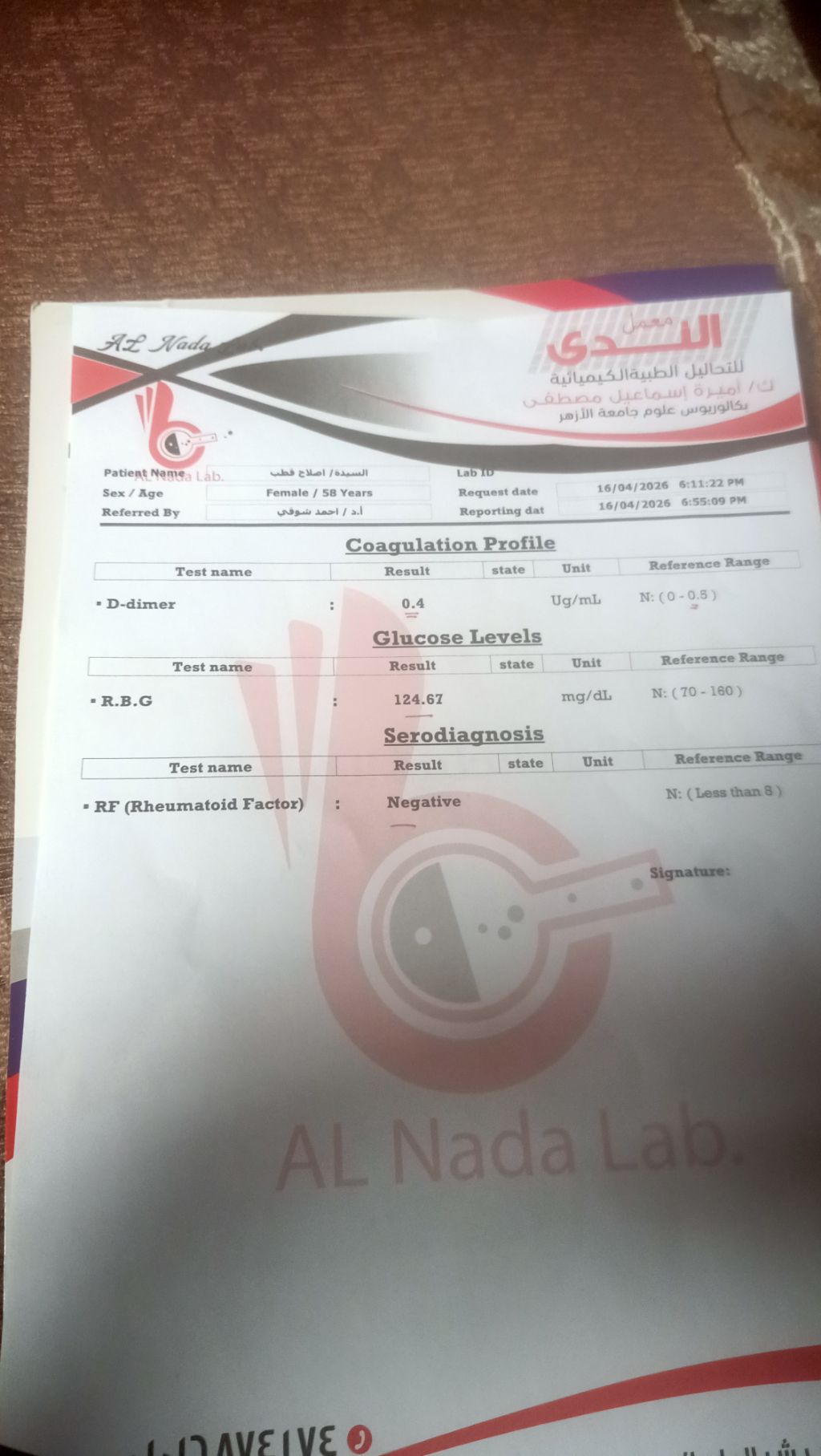
What is Unknown Product (Book/Text Excerpt)?
The "Unknown Product (Book/Text Excerpt)" refers to a segment of a book, specifically identified as containing philosophical and motivational text. Unlike consumer goods such as food, cosmetics, or cleaning supplies, this product is a piece of literature. It is marketed to individuals seeking personal development, inspiration, or philosophical insights, falling squarely into the self-help or philosophy genre. Its primary function is to convey ideas and encourage reflection, rather than to be physically consumed or applied.
The ingredient breakdown
Given that the "Unknown Product" is a book excerpt, the concept of "ingredients" in the context of chemical safety analysis does not apply. Books are composed of physical materials, primarily paper and ink, rather than chemical formulations intended for ingestion or topical application. Therefore, a traditional ingredient profile, detailing active compounds or preservatives, is irrelevant for assessing its safety in the manner of a food product or cosmetic.
The physical components of a book typically include cellulose fibers (paper), various fillers, and coatings, along with printing inks. These inks are generally composed of pigments, binders, and solvents. While the manufacturing processes for these materials are subject to industrial safety standards, once incorporated into a finished book, they are not considered "ingredients" that pose direct chemical exposure risks to consumers in the way that food additives or cosmetic chemicals might. Regulatory bodies like the FDA or EFSA do not evaluate books for chemical safety in the same manner they do for consumable products, as the route of exposure and potential for harm are fundamentally different.
What this means for your health
For the vast majority of consumers, engaging with the "Unknown Product (Book/Text Excerpt)" poses no chemical health risks. Since it is a literary work, there are no ingredients to ingest, absorb through the skin, or inhale that would trigger concerns about toxicity, allergens, or endocrine disruption. The primary interaction is intellectual and visual. Therefore, populations typically advised to be cautious with certain chemical exposures—such as pregnant individuals, young children, or those with specific allergies—do not face the same kind of risks from a book.
The realistic exposure risk for an average consumer using this product as intended (reading) is negligible concerning chemical safety. Any potential health considerations would be related to ergonomics (e.g., eye strain from prolonged reading, posture) rather than ingredient safety. These are general considerations for any reading activity, not specific to this particular book excerpt, and fall outside the scope of chemical ingredient analysis.
Safer alternatives to consider
When considering "safer alternatives" for a book, the focus shifts away from chemical ingredients and towards aspects like accessibility, environmental impact, or reading comfort. For instance, if the concern is physical clutter or portability, digital e-books or audiobooks offer alternatives that provide the same content without physical paper and ink. For those sensitive to the smell of new books or inks, digital formats eliminate this entirely. Environmentally conscious readers might seek books printed on recycled paper or from publishers with sustainable practices, though these are not "safety" concerns in the chemical sense.
The bottom line
The "Unknown Product (Book/Text Excerpt)" is a piece of literature, offering motivational and philosophical content. From a chemical safety perspective, it is inherently safe, as it contains no ingredients that pose typical consumer health risks. While its value lies in its intellectual content, consumers can rest assured that engaging with this product as a book carries none of the chemical safety concerns associated with food, cosmetics, or other chemical-based products. The average reader can buy and enjoy this material without worry about ingredient-related health impacts.