What is Unknown Personal Care Cleanser?
Unknown Personal Care Cleanser is a rinse-off product designed for general personal hygiene, likely targeting a broad consumer base for daily use on skin. As a cleanser, its primary function is to remove dirt, oil, and impurities from the skin's surface before being rinsed away. These types of products are formulated to be effective yet gentle enough for regular application, often incorporating ingredients aimed at maintaining skin hydration and comfort, even during the cleansing process.
The ingredient breakdown
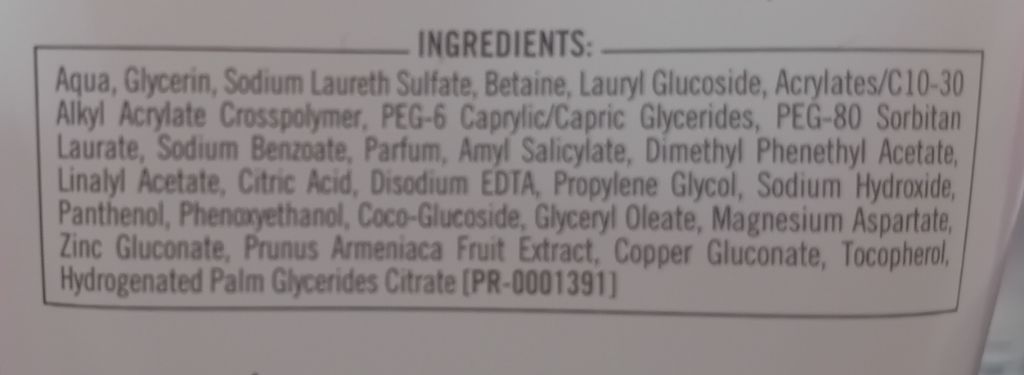
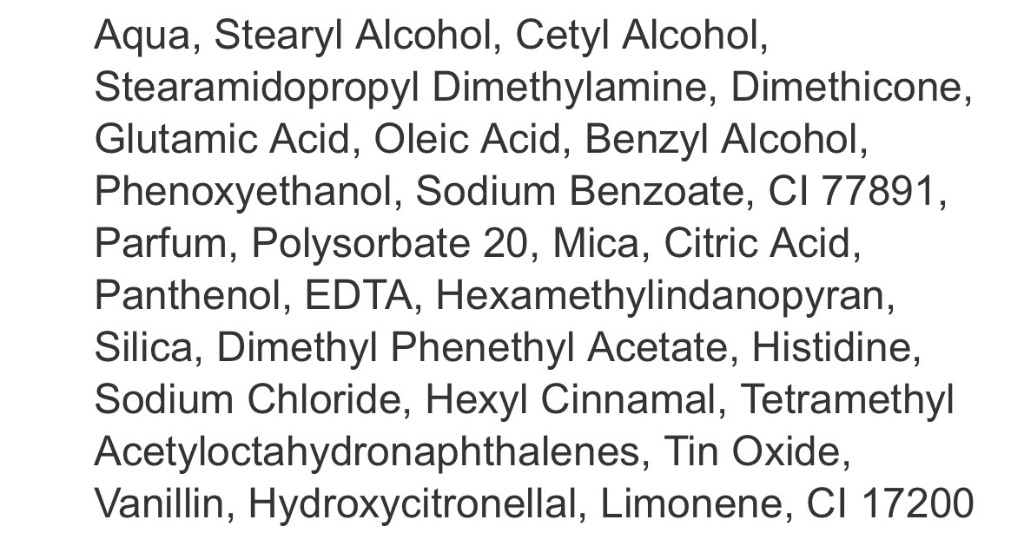
This cleanser features a moderately complex ingredient list, comprising approximately 25 components. Its formulation balances effective cleansing agents with several skin-conditioning and soothing ingredients. While generally well-composed for a rinse-off product, a notable aspect of its profile is the inclusion of multiple synthetic fragrance components, which are often a source of consumer sensitivity.
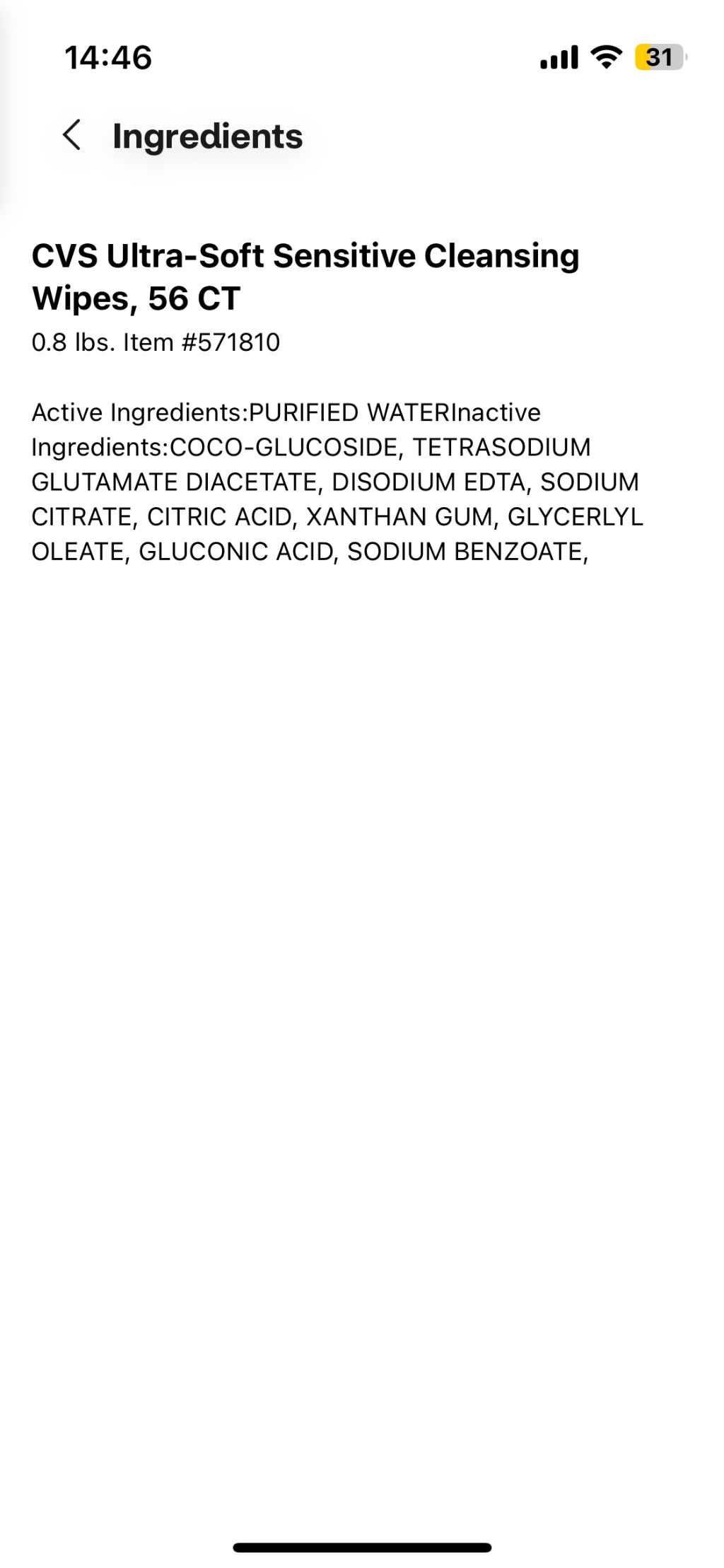
The product utilizes a blend of cleansing agents, including Sodium Laureth Sulfate, Lauryl Glucoside, Coco-Glucoside, and Glyceryl Oleate. Sodium Laureth Sulfate is a widely used surfactant known for its effective lathering and cleansing properties. While some consumers express concern, regulatory bodies like the FDA consider it safe in rinse-off products. Lauryl Glucoside and Coco-Glucoside are milder, plant-derived surfactants often used to balance the formula and reduce potential irritation, while Glyceryl Oleate contributes to skin conditioning during cleansing.
A significant portion of the formula is dedicated to fragrance, listed generically as Parfum, alongside specific components like Amyl Salicylate and Linalyl Acetate. These ingredients are included to provide a pleasant scent but are also recognized allergens. The EU's cosmetic regulations require specific labeling for many fragrance allergens due to their potential to cause contact dermatitis in sensitive individuals, a stricter stance than the FDA's general regulation of 'fragrance' as a trade secret. Dimethyl Phenethyl Acetate is another fragrance component, generally considered safe but contributing to the overall fragrance load.
To support skin health, the cleanser incorporates several beneficial ingredients. Glycerin is a well-known humectant that attracts and retains moisture, helping to prevent skin dryness. Panthenol (Pro-Vitamin B5) is included for its soothing and moisturizing properties, aiding in skin repair. Zinc Gluconate and Copper Gluconate are minerals often used for their skin-conditioning and antioxidant benefits, while Tocopherol (Vitamin E) provides additional antioxidant support. Betaine and Magnesium Aspartate also contribute to skin hydration and overall conditioning.
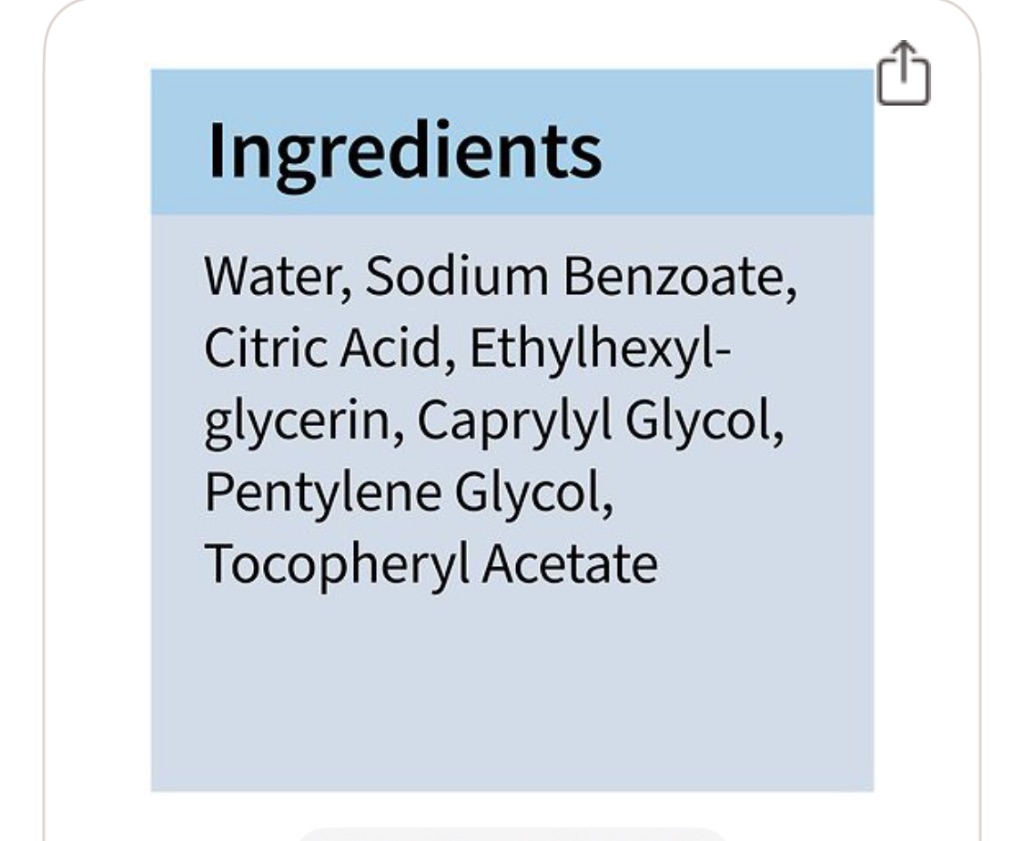
The product also contains various stabilizers, preservatives, and pH adjusters. Sodium Benzoate and Phenoxyethanol are common preservatives that prevent microbial growth, ensuring product safety and shelf life. Disodium EDTA acts as a chelating agent, enhancing preservative efficacy and product stability. Citric Acid and Sodium Hydroxide are used to adjust the product's pH to be skin-compatible. Ingredients like Acrylates/C10-30 Alkyl Acrylate Crosspolymer, PEG-6 Caprylic/Capric Glycerides, and PEG-80 Sorbitan Laurate are thickeners, emulsifiers, and solubilizers that contribute to the product's texture and stability, generally considered safe in rinse-off applications.
What this means for your health
For most individuals, using Unknown Personal Care Cleanser as intended—a rinse-off product—poses a low realistic exposure risk. The limited contact time with the skin significantly reduces concerns about ingredient absorption. However, the presence of synthetic fragrance components like Amyl Salicylate and Linalyl Acetate means individuals with sensitive skin, a history of allergies, or conditions like eczema should exercise caution. These ingredients are known contact allergens and could trigger irritation or allergic reactions.
While the product contains several beneficial skin-conditioning agents, the primary concern remains potential fragrance sensitivity. Pregnant individuals, young children, or those with compromised skin barriers (e.g., broken or irritated skin) might be more susceptible to adverse reactions from fragrance. It's always advisable to perform a patch test if you have known sensitivities before incorporating a new fragranced product into your routine.
Safer alternatives to consider
When seeking a safer alternative to this type of personal care cleanser, prioritize products that are explicitly labeled 'fragrance-free' or 'unscented.' Look for formulations that minimize the use of synthetic dyes and common allergens. Opt for cleansers with simpler ingredient lists, focusing on gentle, naturally derived surfactants like coco-glucoside or decyl glucoside, and humectants such as glycerin or hyaluronic acid. Products certified by dermatological associations or those specifically marketed for sensitive skin often provide a good starting point for avoiding potential irritants.
The bottom line
Unknown Personal Care Cleanser is a generally well-formulated rinse-off product that effectively cleanses while incorporating beneficial skin-conditioning ingredients. Its main drawback is the inclusion of a synthetic fragrance blend, which, while providing a pleasant scent, carries a moderate risk of skin irritation or allergic reactions for sensitive individuals. For the average consumer without fragrance sensitivities, it's likely safe for regular use. However, those with a history of skin reactivity should consider fragrance-free alternatives to minimize potential adverse effects.