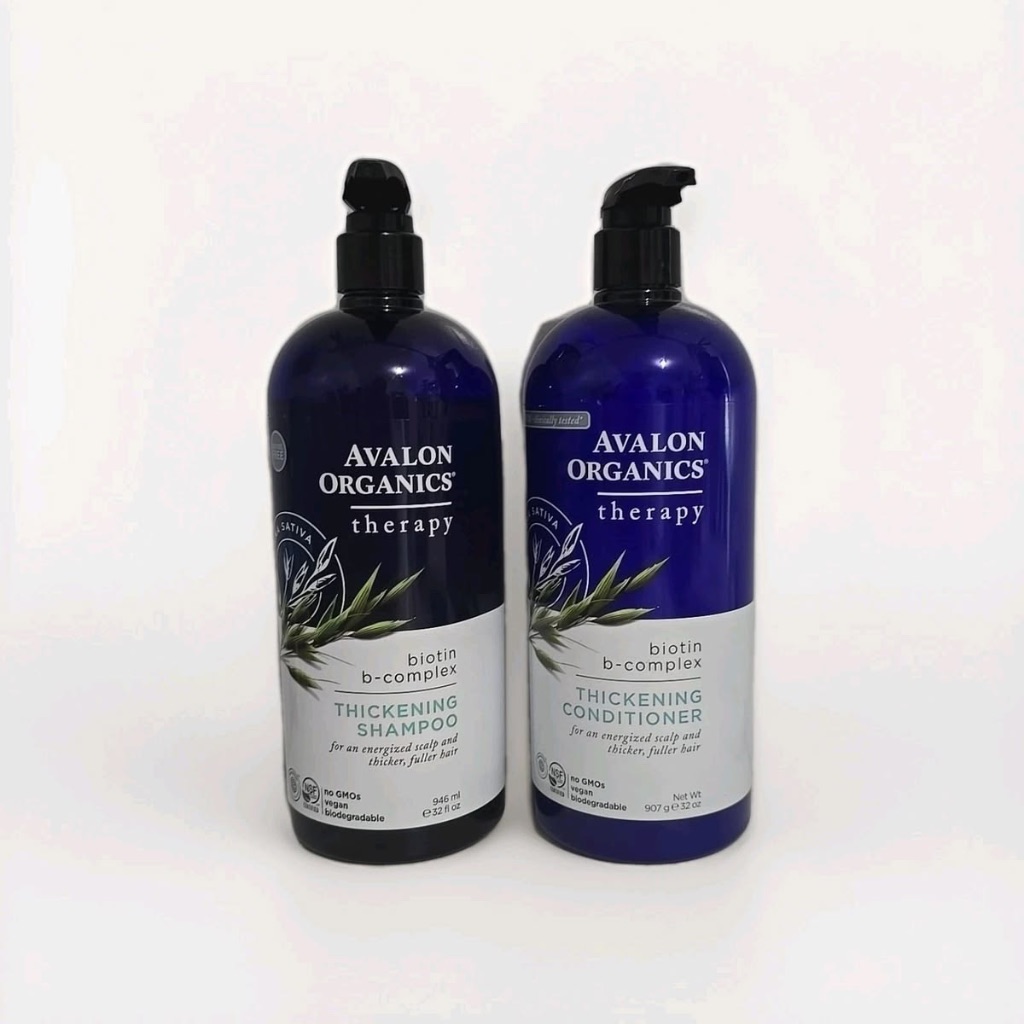

What is Unknown Hair Conditioner?
Unknown Hair Conditioner is a standard rinse-off hair care product designed to smooth, detangle, and improve the manageability of hair. Marketed to a broad consumer base, it falls into the personal care category, specifically as a conditioner used after shampooing. Its primary function is to deposit conditioning agents onto the hair shaft, which helps to reduce friction and enhance shine before being rinsed away. This type of product typically focuses on immediate cosmetic benefits rather than long-term scalp treatment.
The ingredient breakdown
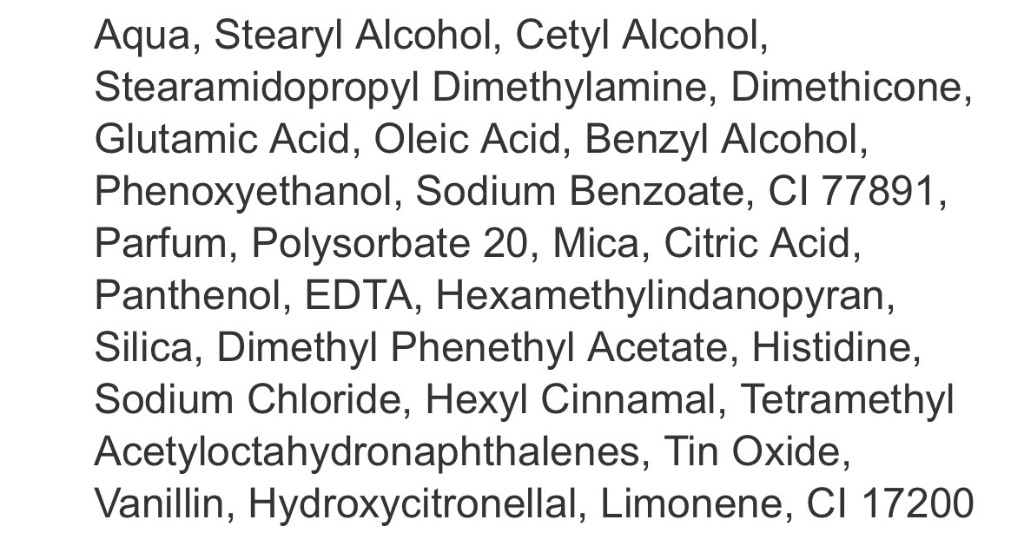
This Unknown Hair Conditioner features a comprehensive ingredient list of over 25 components, primarily composed of water, fatty alcohols, and various conditioning agents. The formulation is designed to provide effective hair smoothing and detangling, with a notable absence of high-risk endocrine disruptors or harsh surfactants. However, it does include a blend of fragrance ingredients that warrant closer examination.
The product incorporates several beneficial conditioning agents crucial for hair health and appearance. Stearyl Alcohol and Cetyl Alcohol, both fatty alcohols, act as emollients and emulsifiers, providing a smooth texture and helping to soften hair. Dimethicone, a silicone, is included for its ability to form a protective layer, enhancing slip, detangling, and shine. Additionally, Panthenol (Pro-Vitamin B5) is present to moisturize and strengthen hair, while Histidine offers antioxidant properties, helping to protect hair from environmental damage. These ingredients are widely recognized by regulatory bodies like the FDA and EFSA as safe for use in rinse-off cosmetic formulations.
A significant aspect of this conditioner's profile is its fragrance blend, listed generically as Parfum. This term can encompass a proprietary mix of dozens of chemicals, some of which are known sensitizers. Specifically, the product contains Hexyl Cinnamal, Hydroxycitronellal, and Limonene, all identified as common fragrance allergens. While the FDA does not require individual disclosure of these components under "Parfum," the European Union mandates their listing on labels when present above certain thresholds due to their potential to cause allergic reactions or skin irritation in susceptible individuals.
Other ingredients include standard cosmetic preservatives like Phenoxyethanol and Sodium Benzoate, which are essential for preventing microbial growth and ensuring product stability. These are generally considered safe in rinse-off applications at the concentrations used in cosmetics. The formula also contains various stabilizers, pH adjusters like Citric Acid, and colorants such as CI 77891 (Titanium Dioxide) and Mica, which contribute to the product's texture and appearance without significant safety concerns.
What this means for your health
For most consumers, using Unknown Hair Conditioner as intended—a rinse-off product—presents a relatively low overall health risk. The beneficial conditioning agents are well-established and pose no significant concern. However, individuals with sensitive skin, a history of allergies, or known reactions to fragrances should exercise caution. The presence of undisclosed "Parfum" and specific allergens like Hexyl Cinnamal, Hydroxycitronellal, and Limonene means there's a potential for contact dermatitis or irritation, especially with repeated exposure.
The rinse-off nature of the conditioner significantly limits the absorption of ingredients into the body compared to leave-on products. This reduces the realistic exposure risk for an average consumer. Nonetheless, if you experience redness, itching, or discomfort after use, it is advisable to discontinue the product and consult a dermatologist. Performing a patch test on a small area of skin before full application can help identify potential sensitivities.
Safer alternatives to consider
When seeking safer alternatives in hair conditioners, prioritize products that explicitly state "fragrance-free" or "unscented," as this eliminates the primary source of potential allergens and irritants in many formulations. Look for ingredient lists that are shorter and more transparent, avoiding generic terms like "Parfum." Opt for conditioners that rely on well-known emollients and conditioning agents such as plant-derived oils (e.g., argan, jojoba), shea butter, or glycerin, and ensure they are free from common sensitizers if you have known allergies.
The bottom line
Unknown Hair Conditioner offers effective conditioning benefits through its blend of fatty alcohols and emollients, without relying on high-risk endocrine disruptors. Its rinse-off nature further mitigates potential concerns. However, the inclusion of "Parfum" and specific fragrance allergens like Hexyl Cinnamal and Limonene means it carries a moderate risk for individuals with sensitive skin or fragrance allergies. For the average consumer without such sensitivities, it is generally acceptable, but those prone to irritation should consider fragrance-free alternatives or perform a patch test.