What is Unknown Lip Gloss?
Unknown Lip Gloss is a cosmetic product designed to provide shine and a hint of color to the lips. Falling into the broad category of lip products, it is marketed to individuals seeking to enhance their lip appearance with a glossy finish, often accompanied by moisturizing benefits. Unlike some other cosmetic categories, lip glosses are unique in their high potential for accidental ingestion due to their direct application to the mouth area.
The ingredient breakdown
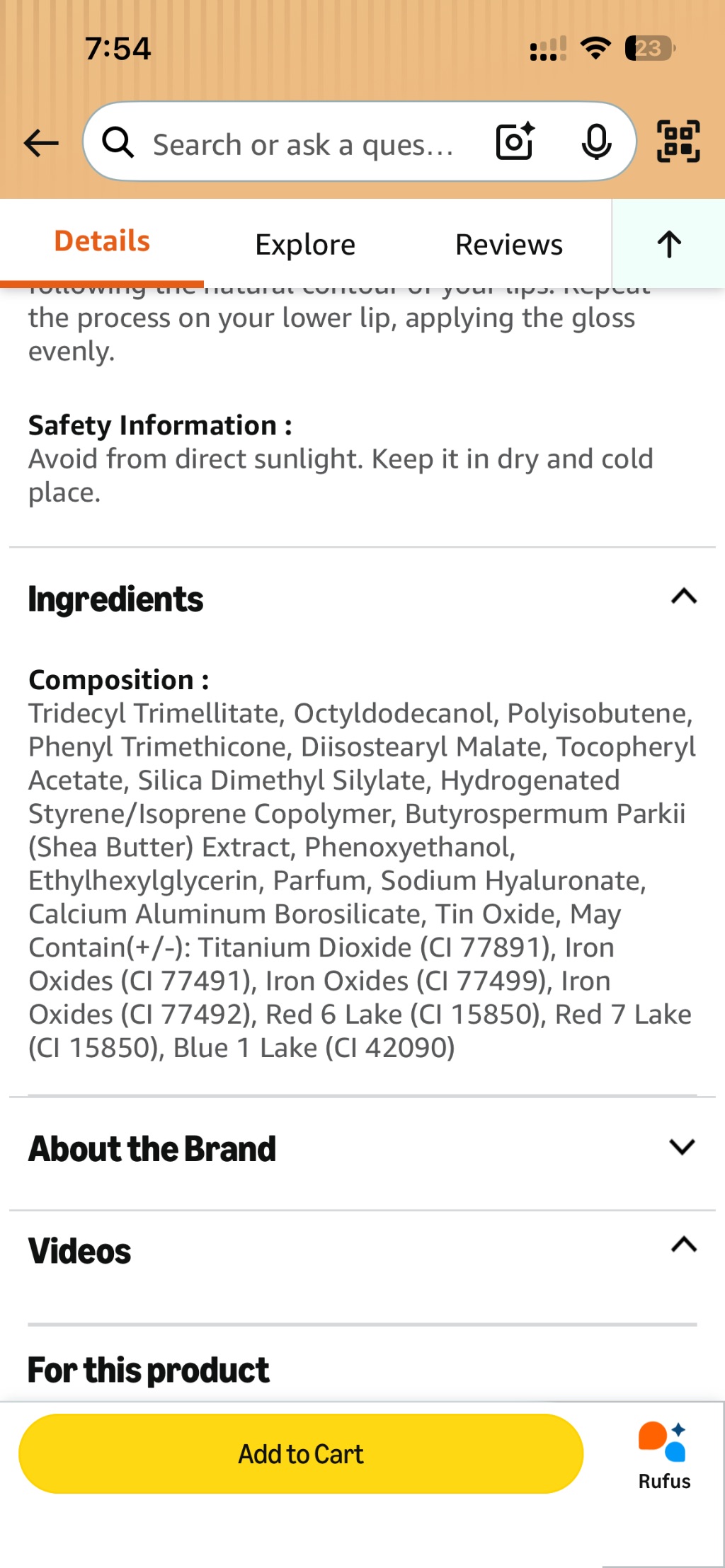
This lip gloss features a comprehensive ingredient profile, blending various emollients, film-formers, and beneficial skin conditioners with a selection of synthetic colorants and a generic fragrance. While many components contribute to its texture and hydrating properties, the presence of undisclosed fragrance components and multiple synthetic dyes warrants a closer look.
The bulk of the product consists of emollients and film-forming agents such as Tridecyl Trimellitate, Octyldodecanol, Polyisobutene, Phenyl Trimethicone, Diisostearyl Malate, Silica Dimethyl Silylate, and Hydrogenated Styrene/Isoprene Copolymer. These ingredients are primarily responsible for the gloss's smooth application, non-sticky feel, and ability to create a lasting film on the lips. They are generally considered safe for topical cosmetic use by regulatory bodies like the FDA and EFSA, contributing to the product's texture and wear without significant health concerns.
For skin conditioning and hydration, the formulation includes beneficial ingredients like Tocopheryl Acetate (Vitamin E), Butyrospermum Parkii (Shea Butter) Extract, and Sodium Hyaluronate. Tocopheryl Acetate is a well-known antioxidant that helps protect the skin from environmental stressors, while Shea Butter is a rich emollient that provides deep moisturization. Sodium Hyaluronate, a form of hyaluronic acid, is highly effective at attracting and retaining moisture, contributing to plumper, more hydrated lips. These components enhance the product's value beyond mere aesthetics.
Preservation is managed by ingredients such as Phenoxyethanol and Ethylhexylglycerin. Phenoxyethanol is a widely used preservative in cosmetics, effective against bacteria, yeast, and mold. While some consumers express concern, it is approved for use up to 1% in cosmetics by the FDA and the EU, and is not classified as an endocrine disruptor. Ethylhexylglycerin often works synergistically with phenoxyethanol to boost its efficacy and is considered safe in cosmetic formulations.
The primary areas of moderate concern lie with the product's colorants and fragrance. The ingredient list includes Parfum, a generic term that can encompass a mixture of dozens of undisclosed chemicals. This lack of transparency means potential allergens or sensitizers may be present, making it difficult for individuals with sensitivities to identify triggers. Additionally, synthetic colorants like Red 6 Lake, Red 7 Lake, and Blue 1 Lake are present. While approved by the FDA for cosmetic use, some synthetic dyes have been linked to sensitivities in certain individuals, particularly when ingested. Given the high ingestion risk associated with lip products, the cumulative exposure to these synthetic colorants and undisclosed fragrance components is a factor for consideration.
What this means for your health
For the average consumer, Unknown Lip Gloss is generally considered safe for its intended topical use. The product contains beneficial hydrating and antioxidant ingredients, and its preservative system is standard and well-regulated. However, the unique nature of lip products means a higher likelihood of accidental ingestion compared to other cosmetics. This elevates the potential exposure to ingredients like synthetic colorants and undisclosed fragrance components, which might otherwise pose minimal risk when applied to skin.
Individuals with known sensitivities or allergies to fragrances should exercise caution due to the 'Parfum' listing, which lacks specific ingredient transparency. While the synthetic colorants are approved for use, those with very sensitive skin or a history of reactions to dyes might consider patch testing or opting for products with natural colorants. Pregnant individuals and parents of young children might also prefer alternatives to minimize ingestion of synthetic additives, though the overall risk from occasional, incidental ingestion is considered low by most regulatory bodies.
Safer alternatives to consider
When seeking safer alternatives in lip glosses, prioritize products that explicitly state