What is Unknown Collagen Peptide Serum?
The Unknown Collagen Peptide Serum is a leave-on cosmetic product designed for topical application to the skin. Marketed primarily for its anti-aging and hydrating properties, this serum falls into the skincare category, specifically targeting consumers interested in improving skin elasticity, firmness, and overall complexion. Unlike some heavier creams, serums are typically formulated to deliver concentrated active ingredients efficiently into the skin, often with a lighter texture for faster absorption. This particular product emphasizes a rich blend of peptides and hydrating agents.
The ingredient breakdown
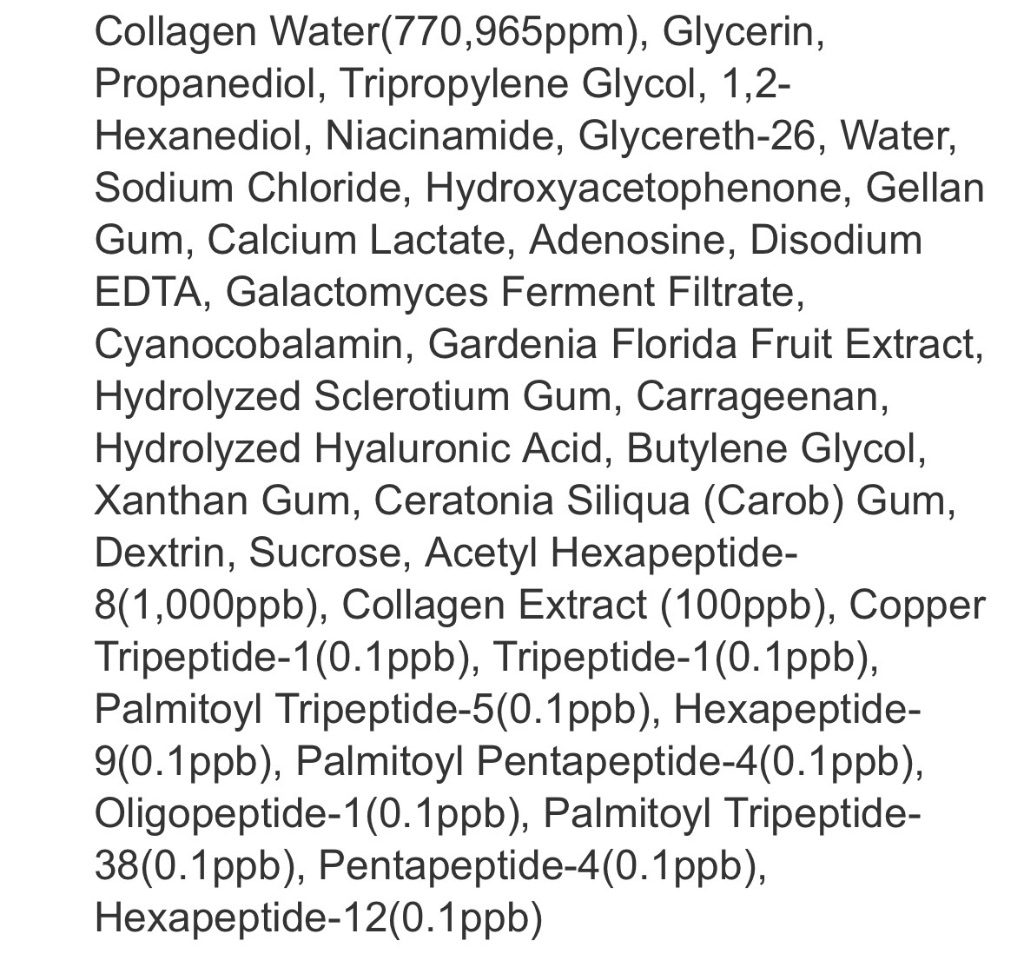
This serum features a comprehensive ingredient list, comprising a significant number of components, most of which are recognized for their beneficial or safe roles in cosmetic formulations. The overall composition leans heavily on humectants, skin-conditioning agents, and a robust array of peptides, notably avoiding common irritants and controversial preservatives often found in personal care products.
A core strength of this serum lies in its hydrating and skin-conditioning foundation. Ingredients like Collagen Water, Glycerin, Propanediol, and Hydrolyzed Hyaluronic Acid work synergistically to attract and retain moisture in the skin, promoting a plump and supple appearance. Glycerin, a well-established humectant, is widely recognized by regulatory bodies like the FDA as safe for cosmetic use, drawing water from the air to hydrate the skin. Propanediol and Hydrolyzed Hyaluronic Acid further enhance hydration and skin penetration, contributing to the serum's efficacy without posing significant safety concerns for most users.
The serum is particularly rich in targeted active ingredients and an impressive complex of peptides, which are the building blocks of proteins. Key actives include Niacinamide (Vitamin B3), known for its ability to support the skin barrier, reduce inflammation, and improve skin tone, and Adenosine, which offers anti-aging benefits by promoting collagen synthesis. The extensive list of peptides, such as Acetyl Hexapeptide-8, Copper Tripeptide-1, and Palmitoyl Pentapeptide-4, are included for their potential to signal skin cells to produce more collagen and elastin, thereby reducing the appearance of fine lines and wrinkles. These ingredients are generally considered safe and effective in cosmetic applications, with no significant regulatory warnings.
For product stability and preservation, the serum utilizes ingredients like Hydroxyacetophenone and Disodium EDTA. Hydroxyacetophenone acts as an antioxidant and skin-conditioning agent, also contributing to the product's stability. Disodium EDTA is a chelating agent, meaning it binds to metal ions to prevent them from affecting the product's stability and appearance. Thickeners and texture enhancers such as Gellan Gum, Carrageenan, and Xanthan Gum, often derived from natural sources and common in food products, ensure the serum has a pleasant consistency and spreads easily. Notably, the formulation avoids parabens and phthalates, which are common preservatives and plasticizers that have raised concerns regarding endocrine disruption, a positive indicator for overall safety.
What this means for your health
For the average consumer, the Unknown Collagen Peptide Serum presents a low-risk profile. The comprehensive analysis indicates an absence of commonly flagged dangerous ingredients, such as parabens, phthalates, and harsh surfactants, which are often associated with skin irritation or potential endocrine disruption. The formulation's emphasis on well-researched humectants, skin-conditioning agents, and a diverse array of peptides suggests a product designed with both efficacy and safety in mind. Most individuals, including those with sensitive skin, are unlikely to experience adverse reactions when using this serum as directed.
Given its clean ingredient list, there are no specific populations identified in the analysis who should be extra cautious or avoid this product. Pregnant individuals, children, or those with specific skin conditions can generally consider this serum safe for use, though individual patch testing is always recommended for any new skincare product. The realistic exposure risk for an average consumer using this product as intended is minimal, as it lacks ingredients with known systemic toxicity or significant allergenic potential.
Safer alternatives to consider
When seeking safer alternatives in the cosmetic serum category, consumers should prioritize products that, like this one, are transparent about their ingredient list and avoid common irritants. Look for formulations that are explicitly labeled