What is Unknown Hair Dye?
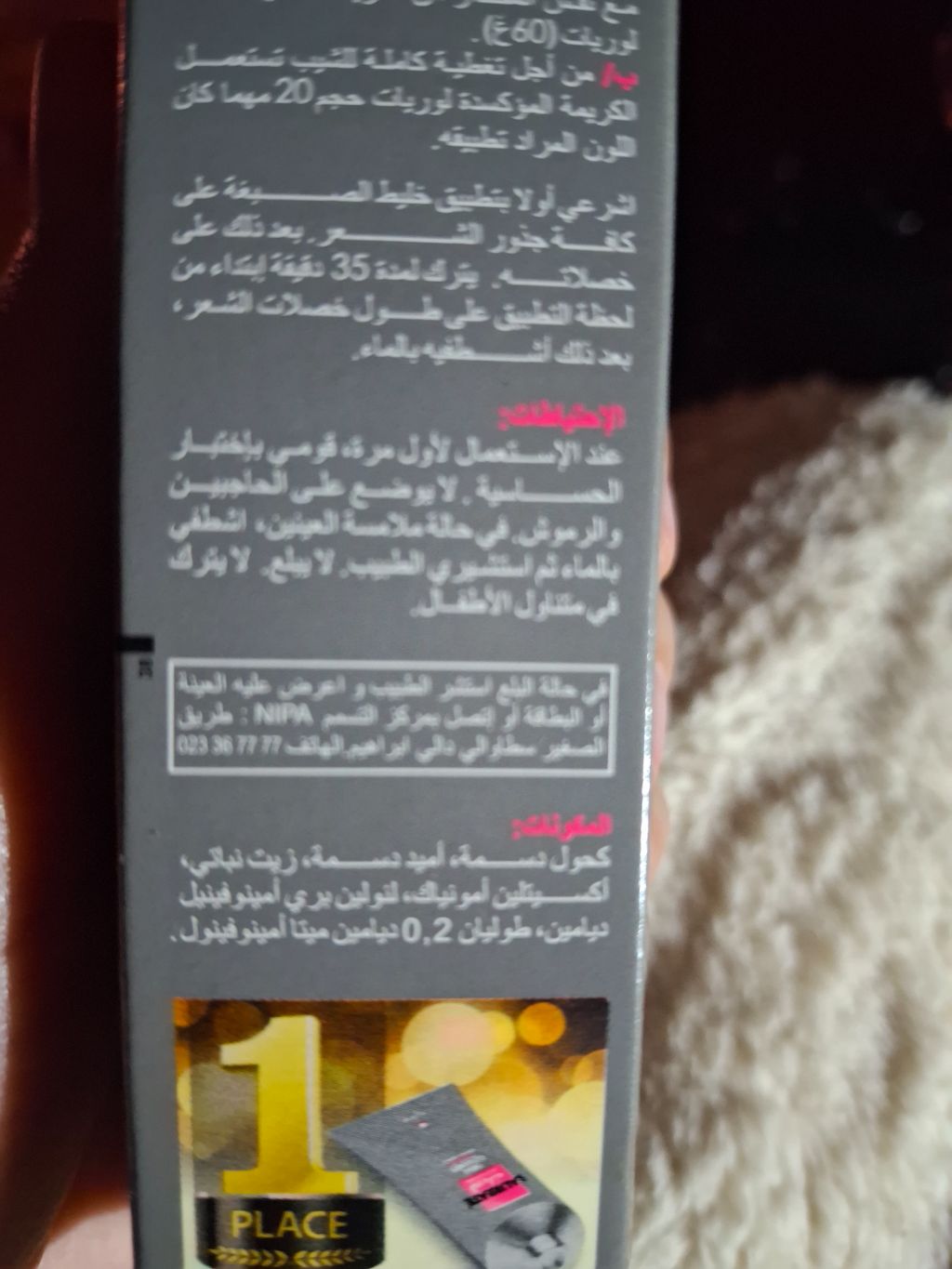
Unknown Hair Dye is a rinse-off cosmetic product designed to permanently alter hair color. It is typically marketed to adults seeking to change their hair shade or cover gray hairs. As a chemical hair dye, it relies on a blend of active colorants and developers to achieve its effect, distinguishing it from temporary or semi-permanent dyes that coat the hair shaft without penetrating it. The product's formulation includes both chemical agents for coloring and conditioning ingredients to help mitigate potential damage during the dyeing process.
The ingredient breakdown
This hair dye features a moderate number of ingredients, characteristic of permanent hair coloring systems. Its composition includes strong chemical agents necessary for color change, alongside beneficial conditioning components. The overall profile indicates a product designed for efficacy in coloring, but with notable ingredients that warrant careful consideration regarding safety.
Chemical Colorants and Irritants
A primary concern in this product is Toluenediamine, a derivative of phenylenediamine. This ingredient is a potent skin sensitizer and a common cause of allergic contact dermatitis, particularly in hair dye users. Regulatory bodies worldwide, including those in the European Union, mandate specific warnings and patch testing instructions for products containing such sensitizers due to the risk of severe allergic reactions. Ammonia is another significant ingredient, acting as an alkalizing agent to open the hair cuticle, allowing color to penetrate. While essential for permanent dyeing, ammonia is a strong respiratory and skin irritant, known for its pungent odor and potential to cause discomfort during application. The FDA permits its use in hair dyes, but proper ventilation and skin protection are always recommended.
Conditioning and Supporting Agents
To counteract the harshness of the chemical process, Unknown Hair Dye incorporates beneficial ingredients such as Vegetable oil and Fatty alcohols. Vegetable oil serves as a conditioning agent, aiming to nourish the hair and reduce damage, contributing to a smoother feel and healthier appearance post-dyeing. Fatty alcohols, like cetyl or stearyl alcohol, also function as emollients and thickeners, providing texture to the product and further aiding in hair conditioning. These ingredients are generally considered safe and help improve the overall user experience by mitigating some of the drying effects of the dyeing process.
What this means for your health
For the average consumer, using Unknown Hair Dye as directed carries a moderate risk, primarily due to the presence of potent sensitizers and irritants. The most significant concern is the potential for allergic reactions to ingredients like Toluenediamine. These reactions can range from mild itching and redness to severe swelling and blistering, potentially requiring medical attention. It is crucial to perform a patch test 48 hours before each application, even if you've used hair dye before, as sensitivities can develop over time. Individuals with sensitive skin, existing skin conditions, or a history of allergies should be particularly cautious.
Pregnant individuals and children should generally avoid using chemical hair dyes due to the absorption of chemicals through the skin and inhalation of fumes. While rinse-off products reduce overall exposure compared to leave-on cosmetics, the potential for systemic absorption of ingredients like Toluenediamine and the respiratory irritation from ammonia remain. The product explicitly warns against use on eyebrows or eyelashes due to the risk of severe eye injury, highlighting the need for careful application to prevent contact with sensitive areas.
Safer alternatives to consider
For those concerned about the chemical profile of traditional hair dyes, several safer alternatives exist. Look for products labeled ammonia-free and PPD-free (para-phenylenediamine, a related sensitizer to Toluenediamine). Many brands now offer formulations using less irritating colorants or natural dyes derived from plants, such as henna or indigo, though these may offer a more limited color palette and different application processes. Opting for semi-permanent or temporary dyes can also reduce exposure, as they typically do not penetrate the hair shaft as deeply. Always prioritize products with transparent ingredient lists and minimal fragrance to reduce potential irritants.
The bottom line
Unknown Hair Dye effectively colors hair but comes with notable safety considerations, particularly concerning allergic reactions and irritation. While it includes beneficial conditioning agents, the presence of strong sensitizers like Toluenediamine and irritants like Ammonia means it's not without risk. For most users, adhering strictly to patch test recommendations and application instructions is vital. However, individuals with sensitivities, pregnant women, or those seeking to minimize chemical exposure may find it prudent to explore alternative, gentler hair coloring options.