What is Unknown Perfume?
Unknown Perfume is a cosmetic product designed to impart a scent to the body, falling into the category of fine fragrances. As a leave-on perfume, its formulation is intended for direct application to the skin, where it remains for extended periods. This product is marketed to consumers seeking a personal fragrance, and like many perfumes, it relies on a complex blend of aromatic compounds to create its unique scent profile. Understanding its ingredients is crucial, given its direct and prolonged contact with the skin.
The ingredient breakdown
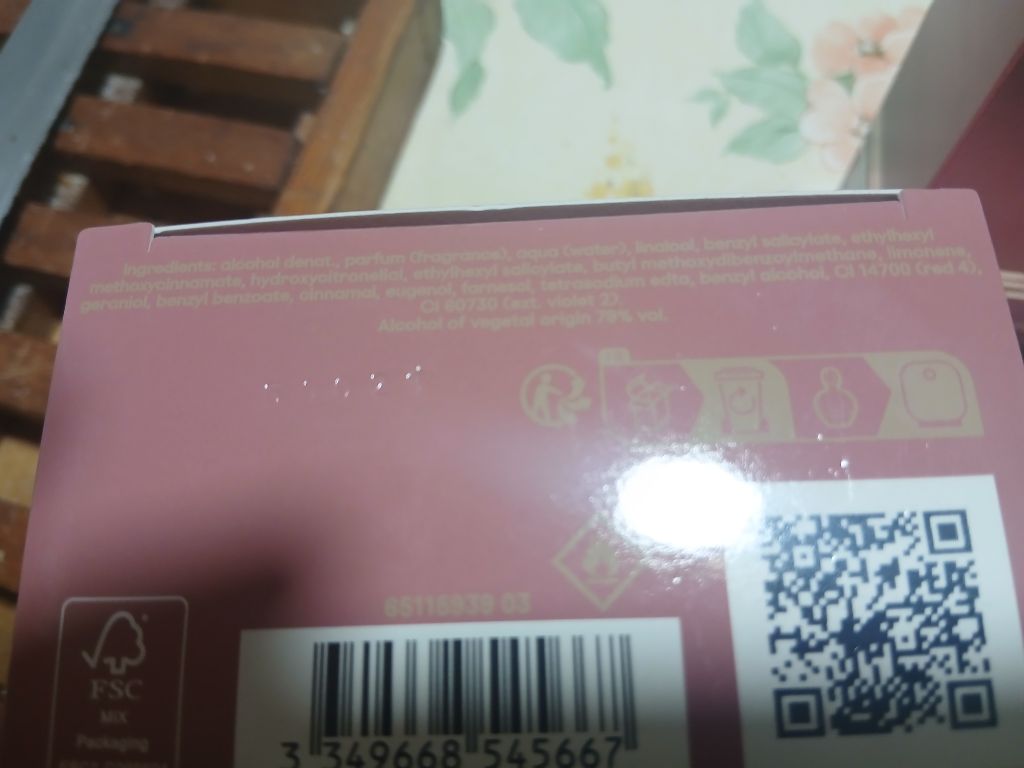
This perfume features a moderate number of ingredients, primarily composed of a solvent base, water, and a significant concentration of fragrance components. While it notably avoids parabens and phthalates, which are common concerns in cosmetics, its profile is dominated by a complex 'Parfum (Fragrance)' blend and alcohol, alongside several UV filters and colorants.
The most prominent aspect of this perfume's composition is its 'Parfum (Fragrance)' blend. This single term often represents a proprietary mixture of dozens to hundreds of individual chemicals, many of which are known allergens. Specifically, this product lists numerous fragrance allergens such as Linalool, Limonene, Geraniol, Eugenol, Farnesol, and Cinnamal. These compounds, while providing pleasant scents, are frequently implicated in contact dermatitis and skin sensitization, particularly in individuals with sensitive skin. Regulatory bodies like the EU require these specific allergens to be disclosed when present above certain concentrations, acknowledging their potential to trigger allergic reactions.
Another key ingredient is Alcohol Denat, or denatured alcohol, which serves as a primary solvent to dissolve and disperse the fragrance oils. While effective for formulation, alcohol can be drying and irritating to the skin, especially for those with pre-existing conditions like eczema or rosacea. Its presence in a leave-on product means prolonged skin exposure, which can compromise the skin's natural barrier function over time. The product also contains Aqua (Water), providing a diluent and base for the formulation.
Several UV filters are also present, including Ethylhexyl methoxycinnamate (also known as Octinoxate), Ethylhexyl salicylate, and Butyl methoxydibenzoylmethane. While these are typically used in sunscreens to protect skin from UV radiation, in a perfume, they are more likely included to protect the fragrance itself from degradation by light, preserving its scent and color stability. However, Ethylhexyl methoxycinnamate is a compound of particular concern, with some studies suggesting potential endocrine-disrupting properties. While the FDA permits its use, the European Commission's Scientific Committee on Consumer Safety (SCCS) has evaluated its safety, noting potential for systemic absorption and recommending concentration limits. The other UV filters, Ethylhexyl salicylate and Butyl methoxydibenzoylmethane, are generally considered safer in cosmetic applications.
Finally, the perfume contains minor ingredients like Tetrasodium EDTA, a chelating agent that helps improve product stability and efficacy, and colorants such as CI 14700 (Red 4) and CI 60730 (Ext. Violet 2). These color additives are approved for use in cosmetics by regulatory bodies like the FDA, and are typically considered safe at the low concentrations used in such products, primarily serving aesthetic purposes.
What this means for your health
For the average consumer, the primary health implication of using Unknown Perfume revolves around potential skin irritation and allergic reactions. The high concentration of 'Parfum (Fragrance)' and the numerous listed fragrance allergens mean that individuals with sensitive skin, a history of allergies, or conditions like eczema are at a heightened risk for contact dermatitis. Symptoms can range from redness, itching, and dryness to more severe rashes. While not life-threatening for most, these reactions can significantly impact comfort and skin health.
Beyond immediate skin reactions, the presence of Ethylhexyl methoxycinnamate introduces a concern regarding potential endocrine disruption. Although the amount absorbed from perfume is likely small, cumulative exposure from multiple products containing this ingredient could be a consideration, particularly for vulnerable populations such as pregnant individuals, young children, or those with existing hormonal sensitivities. While the product avoids parabens and phthalates, which are well-known endocrine disruptors, this specific UV filter warrants caution for those seeking to minimize exposure to such compounds.
Safer alternatives to consider
For those concerned about the ingredients in Unknown Perfume, safer alternatives in the fragrance category prioritize transparency and minimize common irritants. Look for products that explicitly state fragrance-free or unscented if you are highly sensitive. If you prefer a scent, seek out brands that fully disclose all fragrance components, rather than using the generic 'Parfum'. Opt for single-note fragrances derived from natural essential oils, ensuring they are diluted appropriately and patch-tested. Additionally, consider products that avoid synthetic UV filters like ethylhexyl methoxycinnamate, especially if you are pregnant or have endocrine-related health concerns.
The bottom line
Unknown Perfume presents a mixed safety profile. On one hand, it avoids parabens and phthalates, which are positive attributes. However, its reliance on a complex 'Parfum (Fragrance)' blend, containing multiple known allergens, and the inclusion of alcohol denat, make it a potential irritant for sensitive skin. The presence of ethylhexyl methoxycinnamate also introduces a moderate concern regarding endocrine disruption. For the average reader, especially those with sensitive skin or who are pregnant, it would be prudent to approach this product with caution or consider alternatives with a more transparent and minimalist ingredient list.