What is Foundation/Cushion?
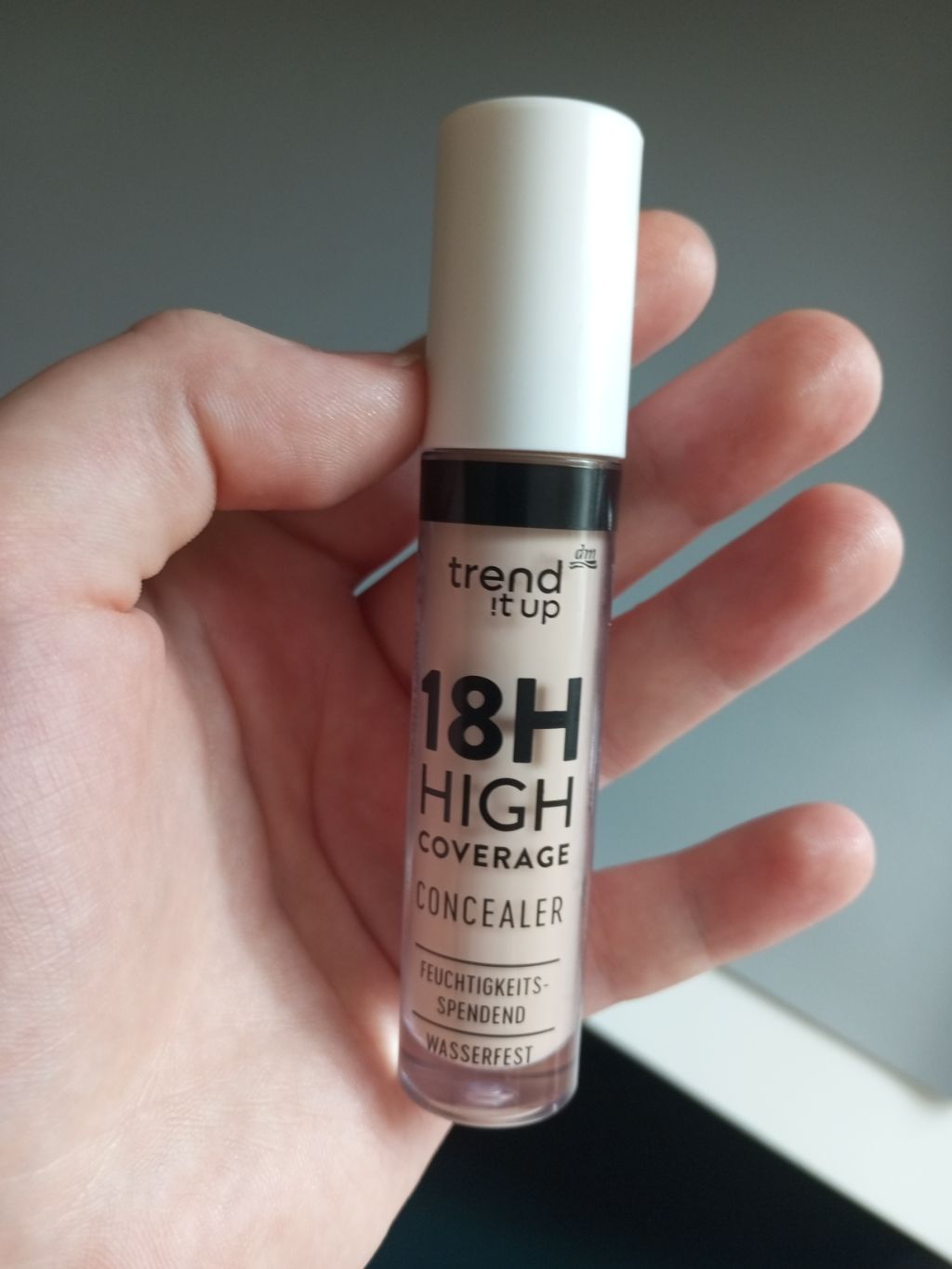
This Foundation/Cushion is a leave-on cosmetic product designed to provide coverage and enhance skin appearance. Marketed to individuals seeking a blend of makeup and skincare benefits, it falls into the category of liquid or cream foundations, often applied with a cushion applicator for convenience. Unlike traditional foundations, this product aims to offer additional skin-benefiting ingredients alongside its primary function of evening out skin tone and concealing imperfections, making it appealing to health-conscious consumers looking for multi-functional cosmetics.
The ingredient breakdown
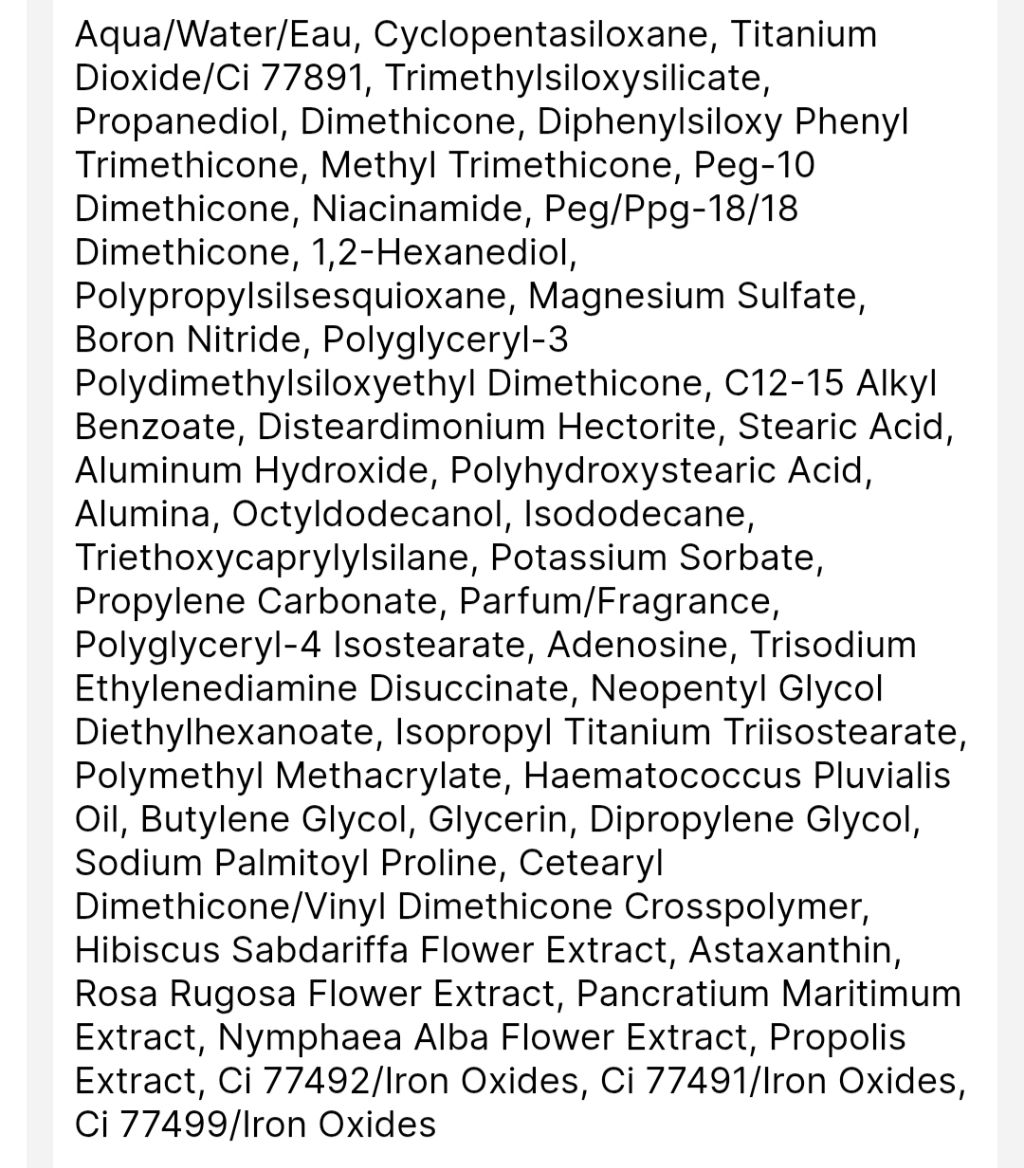
This Foundation/Cushion features a comprehensive ingredient list, totaling over 40 components. Its formulation primarily relies on a base of silicones for texture and spreadability, complemented by mineral pigments for coverage. Notably, it incorporates several beneficial skincare actives and botanical extracts, while largely avoiding high-risk endocrine disruptors. The main areas of concern revolve around the inclusion of undisclosed fragrance and certain PEG compounds.
The product's base is built around a variety of silicone compounds, including Cyclopentasiloxane, Dimethicone, Trimethylsiloxysilicate, and Diphenylsiloxy Phenyl Trimethicone. These ingredients are widely used in cosmetics to create a smooth, non-greasy feel, improve spreadability, and provide a long-lasting finish. Silicones are generally considered safe for topical use by regulatory bodies like the FDA and EFSA, as they are largely inert and do not penetrate the skin barrier. They contribute significantly to the product's texture and wear performance.
Beyond its cosmetic base, this Foundation/Cushion integrates several beneficial skincare actives and antioxidants. Key among these are Niacinamide, a form of Vitamin B3 known for supporting the skin barrier, reducing inflammation, and brightening skin tone. Adenosine is included for its recognized anti-aging properties, helping to improve skin elasticity and reduce the appearance of wrinkles. The formula also boasts powerful antioxidants like Astaxanthin and Haematococcus Pluvialis Oil, alongside botanical extracts such as Hibiscus Sabdariffa Flower Extract, Rosa Rugosa Flower Extract, and Pancratium Maritimum Extract. These ingredients collectively aim to protect the skin from environmental stressors and provide nourishing benefits.
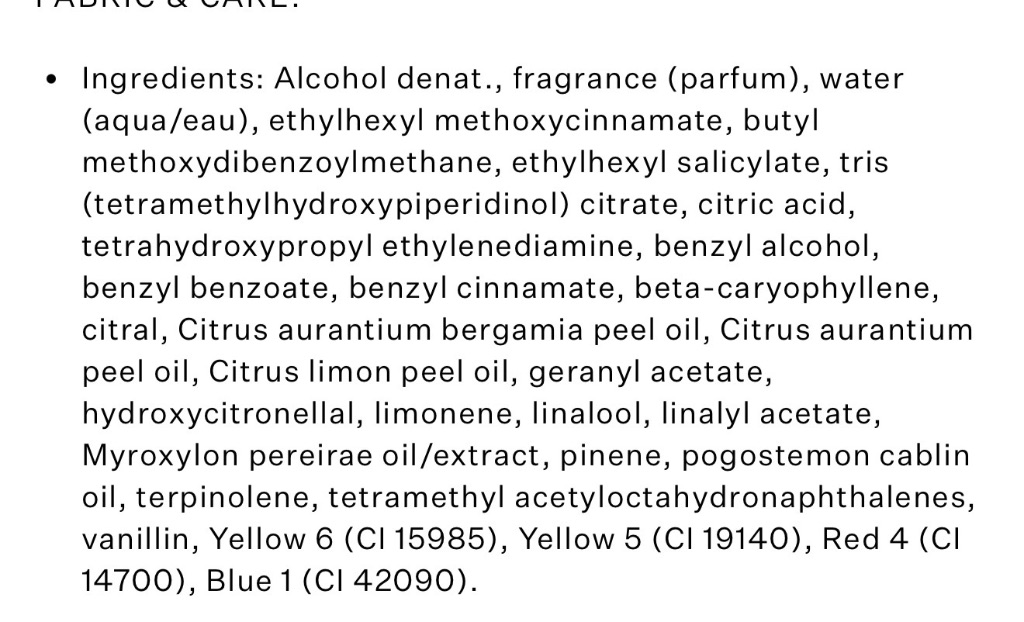
However, the product does contain some ingredients that warrant closer attention. The presence of Parfum/Fragrance is a common concern in cosmetics. This generic term represents an undisclosed mixture of chemicals, many of which are known allergens and irritants. While the FDA requires fragrance ingredients to be safe, it does not mandate the disclosure of individual components, making it difficult for consumers to identify potential irritants. For individuals with sensitive skin or allergies, fragrance can trigger contact dermatitis, redness, or itching. Additionally, the product includes PEG compounds like PEG-10 Dimethicone and PEG/PPG-18/18 Dimethicone. While PEGs themselves are not inherently dangerous, the manufacturing process (ethoxylation) can sometimes lead to contamination with 1,4-dioxane, a probable human carcinogen. The FDA monitors levels of 1,4-dioxane, and manufacturers are expected to strip it from products, but its potential presence is a point of caution for some consumers.
What this means for your health
For the average consumer, this Foundation/Cushion presents a generally low-risk profile, especially given its absence of high-concern endocrine disruptors like parabens and phthalates. The primary consideration for most users will be the presence of fragrance. Individuals with a history of skin sensitivities, allergies, or conditions like eczema should exercise caution, as fragrance is a leading cause of cosmetic contact dermatitis. A patch test on a small area of skin before full application is always recommended to assess individual reactivity.
The realistic exposure risk from the PEG compounds, particularly regarding 1,4-dioxane contamination, is generally considered low in products from reputable manufacturers who adhere to good manufacturing practices. Regulatory bodies like the FDA encourage manufacturers to remove 1,4-dioxane, and levels typically found in cosmetics are very low. However, for those seeking to minimize all potential exposures, or for pregnant individuals who often prefer to err on the side of extreme caution, opting for fragrance-free and PEG-free alternatives might be a personal preference, though not a strict medical necessity based on current evidence for this product.
Safer alternatives to consider
When seeking safer alternatives in the foundation category, prioritize products that explicitly state "fragrance-free" or "unscented" to avoid undisclosed chemical mixtures that can trigger sensitivities. Look for formulations that minimize or completely omit PEG compounds, reducing any potential concern regarding 1,4-dioxane contamination. Opt for foundations that utilize mineral pigments like zinc oxide and titanium dioxide, which also offer broad-spectrum UV protection, and focus on simple, transparent ingredient lists. Products with certified organic botanical extracts and fewer synthetic additives are also good choices for those aiming for a cleaner beauty routine.
The bottom line
This Foundation/Cushion offers a balanced approach, combining effective cosmetic coverage with several beneficial skincare ingredients. Its formulation largely avoids major endocrine disruptors, which is a significant positive. However, the inclusion of undisclosed fragrance poses a potential irritation risk for sensitive skin, and the presence of PEG compounds, while generally low risk, may be a concern for some. For most users without fragrance sensitivities, it's a reasonable choice, but those with reactive skin or a preference for ultra-clean formulations might consider alternatives.