

What is Unknown Cosmetic Product?
The Unknown Cosmetic Product is a leave-on moisturizer designed to hydrate and support the skin's barrier function. Marketed to a general adult audience, this product aims to improve skin texture and appearance through a blend of active ingredients and emollients. As a daily-use cosmetic, it's intended to remain on the skin, allowing its components to deliver continuous benefits and protection.
The ingredient breakdown
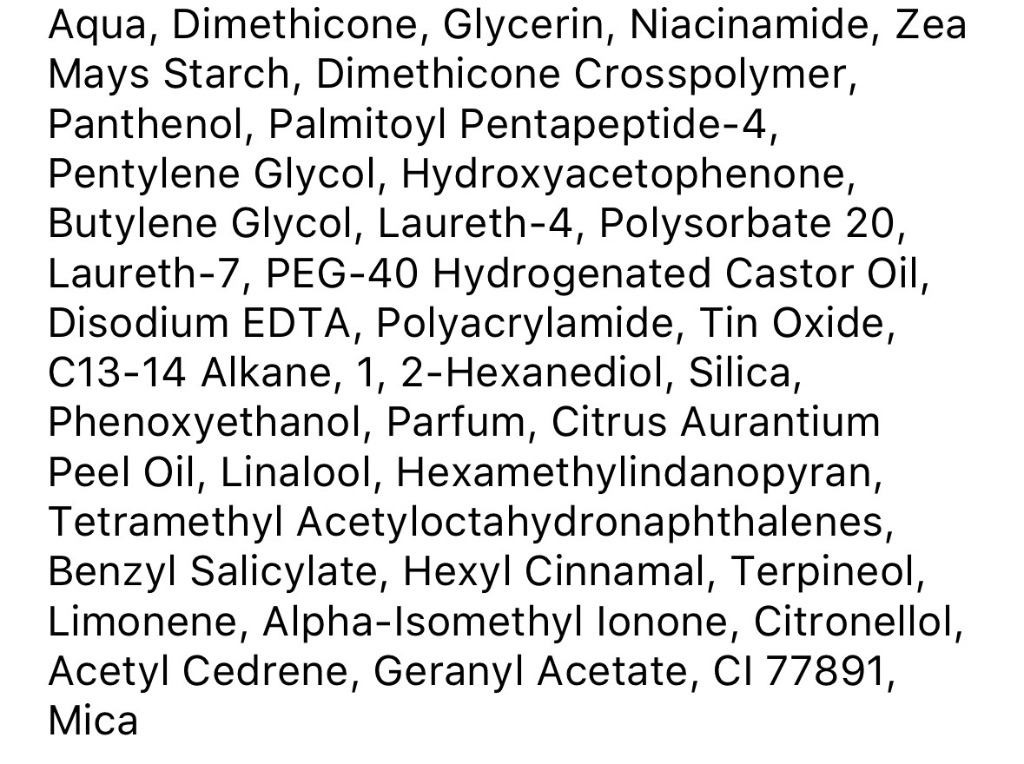
This moisturizer features a comprehensive ingredient list, balancing a range of beneficial active compounds with common cosmetic base ingredients. While it incorporates several well-regarded skin-enhancing components, it also includes synthetic fragrance mixtures, which are a common area of consumer concern.
Beneficial Actives and Hydrators
Key beneficial ingredients in this product include Niacinamide, a form of Vitamin B3 known for its ability to support the skin barrier, reduce inflammation, and improve skin tone. Palmitoyl Pentapeptide-4 is also present, a peptide that signals the skin to produce more collagen, potentially reducing the appearance of fine lines. Deep hydration is provided by humectants like Glycerin and Panthenol (Pro-Vitamin B5), which draw moisture into the skin, promoting softness and elasticity. These ingredients are widely recognized by dermatologists and regulatory bodies like the FDA for their efficacy and safety in cosmetic formulations.
Emollients, Texture Enhancers, and Preservatives
The product utilizes various emollients and texture enhancers such as Dimethicone and Dimethicone Crosspolymer, which are silicones that create a smooth feel and help lock in moisture without feeling heavy. Zea Mays Starch contributes to the product's texture, providing a matte finish. For preservation, Phenoxyethanol is included, a common cosmetic preservative approved by regulatory bodies worldwide, including the FDA and the European Commission, for use in concentrations up to 1%. It is not considered an endocrine disruptor and is generally well-tolerated.
Fragrance Components and Potential Sensitizers
A notable aspect of this product's formulation is the inclusion of Parfum (fragrance) and several specific fragrance allergens, such as Linalool, Benzyl Salicylate, Hexyl Cinnamal, Limonene, Alpha-Isomethyl Ionone, and Citronellol. While these ingredients provide a pleasant scent, "Parfum" is a generic term that can hide dozens of undisclosed chemicals, some of which are known skin sensitizers. The listed allergens are required to be disclosed in the EU due to their potential to cause allergic reactions in sensitive individuals. Additionally, PEG-40 Hydrogenated Castor Oil is present, a common emulsifier. While generally safe, PEGs can sometimes be contaminated with trace amounts of 1,4-dioxane, a byproduct of the ethoxylation process, which the EPA classifies as a probable human carcinogen. However, the FDA monitors these levels, and cosmetic manufacturers are expected to strip out 1,4-dioxane to non-detectable or very low levels.
What this means for your health
For most individuals, the Unknown Cosmetic Product is likely safe for regular use. The presence of beneficial ingredients like Niacinamide and peptides supports skin health. However, the primary concern lies with the extensive list of fragrance components. Individuals with sensitive skin, a history of allergies, or conditions like eczema should exercise caution. These fragrance ingredients are well-known potential skin sensitizers and can trigger contact dermatitis, redness, or itching. A patch test on a small, inconspicuous area of skin is highly recommended before full application, especially if you have known sensitivities to fragrances.
The risk associated with PEG-40 Hydrogenated Castor Oil regarding 1,4-dioxane is generally considered very low in cosmetic products due to purification processes. The product avoids high-risk endocrine disruptors like parabens and phthalates, which is a positive aspect for those concerned about hormonal impacts. Overall, the realistic exposure risk for an average consumer is low, provided they do not have a pre-existing sensitivity to fragrance ingredients.
Safer alternatives to consider
If you have sensitive skin or prefer to avoid potential fragrance allergens, consider moisturizers that are explicitly labeled "fragrance-free" or "for sensitive skin." Look for products that list all ingredients transparently and prioritize a minimalist formula. Opt for moisturizers where the primary active ingredients are well-tolerated compounds like ceramides, hyaluronic acid, or colloidal oatmeal, and which rely on mineral sunscreens (if it's a day cream) rather than chemical filters. Avoiding products with generic "Parfum" or a long list of individual fragrance components can significantly reduce the risk of skin irritation.
The bottom line
The Unknown Cosmetic Product offers several excellent skin benefits, particularly through its inclusion of Niacinamide and peptides for hydration and skin barrier support. It also commendably avoids high-risk endocrine disruptors. However, the significant presence of undisclosed "Parfum" and multiple known fragrance allergens means it carries a medium risk for individuals with sensitive or allergy-prone skin. For those without fragrance sensitivities, it's a good option, but if you have reactive skin, it's best to approach with caution and consider a patch test or explore fragrance-free alternatives.