FOOD ANALYSIS

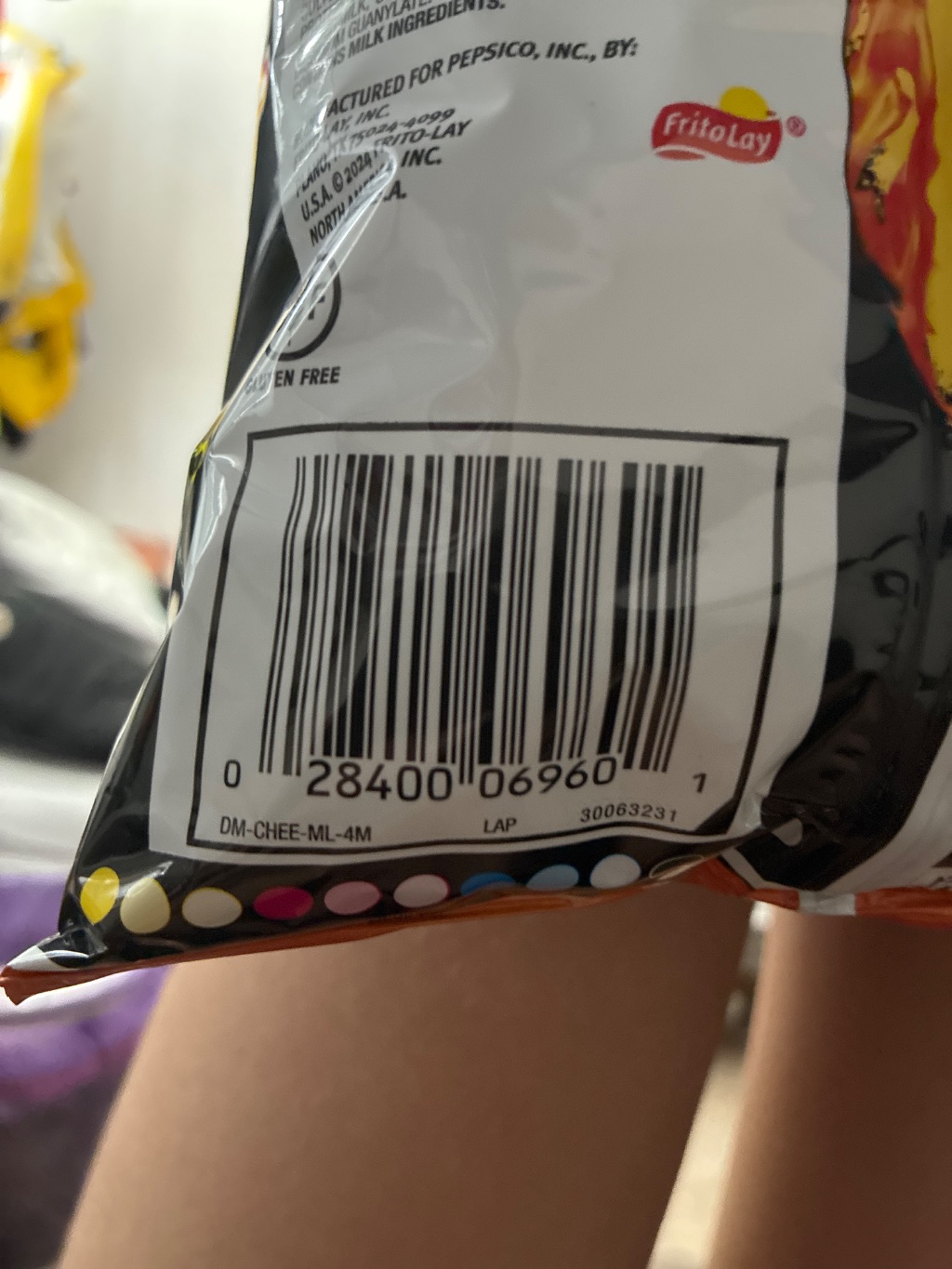
Frito-Lay Cheetos (Partial Label)

AI-Powered Safety Report · SafeShelf

🌐 This is a public scan General scans are publicly accessible and may appear in search engines and the community Discover gallery. Do not upload labels containing personal information. If you want a private analysis tailored to your health, create a free account and use Personalised Scanning →
⚕️ Data Aggregation & Medical Disclaimer SafeShelf is a technology platform, not a medical provider. This analysis is generated by an AI system that aggregates public regulatory data (such as EU and FDA databases) and is provided for educational and informational purposes only. It is not medical advice, a clinical diagnosis, or a substitute for professional healthcare guidance. SafeShelf has no doctors on staff and cannot guarantee the accuracy of AI-generated assessments.

Do not make health, dietary, or medical decisions based solely on this report. Always consult a qualified healthcare professional — especially if you have a medical condition, are pregnant, take prescription medications, or are acting on behalf of an infant or child.

45
Moderate
Frito-Lay Cheetos (Partial Label)
snack food medium confidence

This product is an ultra-processed snack food containing artificial colors and flavor enhancers. While it is a shelf-stable convenience item, it lacks significant nutritional value and should be consumed in moderation as part of a balanced diet.

📊 Score Breakdown
Additive Safety
25% of overall
30
Contains artificial colors and flavor enhancers common in processed snack foods.
Sugar Concern
20% of overall
100
Cheetos are typically low in added sugars.
Ingredient Quality
20% of overall
40
Highly processed corn-based snack with refined ingredients.
Nutritional Value
15% of overall
30
High in sodium and saturated fats with minimal fiber or protein.
Allergen Clarity
10% of overall
70
Milk ingredients are clearly identified.
Preservative Load
10% of overall
60
Contains standard food-grade preservatives for shelf stability.
🚨 Critical Warnings
High sodium content; monitor intake if managing blood pressure.
Ingredient list may be incomplete due to image crop.
✅ What's Good
  • Shelf-stable convenience
  • Gluten-free (as indicated on label)
🥜 Allergens Detected

These are personal risks — they are not universally harmful. People without these allergies or intolerances are unaffected.

Milk
⚠️ Flagged Ingredients
Artificial Colors MEDIUM
Commonly associated with hyperactivity in sensitive children.
Sodium MEDIUM
Excessive intake contributes to cardiovascular health risks.
🔬 Full Ingredient Breakdown

Every identified ingredient classified by safety level.

Milk Ingredients allergen
Artificial Colors moderate
Sodium moderate
Corn safe
💡 Recommendations
  • Consume in moderation as an occasional treat.
  • Pair with a source of fiber or protein to balance the glycemic impact.
📚 Regulatory & Toxicological Context

The analysis for Frito-Lay Cheetos (Partial Label) relies on aggregated data from global regulatory bodies. When evaluating products in the food category, our AI cross-references ingredients against databases such as the European Chemicals Agency (ECHA), the US Food and Drug Administration (FDA) GRAS list, and the International Agency for Research on Cancer (IARC).

Consumer products often contain complex chemical formulations. While individual ingredients may be legally permitted in certain jurisdictions, emerging toxicological research frequently highlights the risks of bioaccumulation, endocrine disruption, and gut microbiome degradation. SafeShelf's mission is to provide transparent, accessible translations of these complex chemical nomenclatures so consumers can make informed decisions about their household exposure.

⚕️ Reminder: This AI report is for informational purposes only and does not replace professional medical advice. Ingredient safety can vary based on individual health factors, dosage, product formulation, and applicable regulations in your country. SafeShelf assumes no liability for decisions made based on this analysis.

🔍 Related Scans in this Category

What is Frito-Lay Cheetos?

Frito-Lay Cheetos are a widely recognized brand of puffed corn snack, characterized by their distinct cheese flavor and vibrant orange color. Marketed primarily as a convenient, savory treat, they fall into the ultra-processed snack food category. These crunchy snacks are popular among children and adults alike, often found in lunchboxes or as a party food. While offering immediate gratification, their primary role is as an indulgence rather than a source of significant nutritional value.

The ingredient breakdown

The ingredient profile of Frito-Lay Cheetos reveals a composition typical of many ultra-processed snack foods. It features a relatively short list of ingredients, predominantly corn-based, but also includes artificial colors, flavor enhancers, and common food-grade preservatives to ensure shelf stability. The overall ingredient quality leans towards refined components rather than whole foods.

Artificial Colors and Flavor Enhancers

Cheetos derive their iconic orange hue from artificial colors, specifically Yellow 5 and Yellow 6. These synthetic dyes are used purely for aesthetic appeal. While the U.S. Food and Drug Administration (FDA) permits their use, requiring only declaration, European Union (EU) regulations mandate a warning label for certain artificial colors, including Yellow 5 and 6, stating they "may have an adverse effect on activity and attention in children." Research suggests these dyes can exacerbate hyperactivity in a subset of sensitive children, though exact mechanisms are still being studied.

Sodium and Processed Corn

Another prominent ingredient in Cheetos is sodium, primarily from salt and other flavorings. Sodium plays a crucial role in enhancing taste and acting as a preservative. However, a single serving of Cheetos contributes significantly to daily sodium intake. High dietary sodium is a well-established risk factor for elevated blood pressure, which can lead to serious cardiovascular health issues over time. The primary base of Cheetos is corn, which, in this product, is highly processed and refined, contributing to the snack's texture and bulk but offering minimal fiber or other beneficial nutrients typically found in whole corn.

Allergens and Preservatives

For individuals with allergies, it's important to note that Cheetos contain milk ingredients, which are clearly identified on the label as a common allergen. This is crucial for those managing dairy sensitivities or allergies. The product also includes standard food-grade preservatives, though not explicitly detailed in the partial analysis, which contribute to its long shelf life. These preservatives are generally recognized as safe by regulatory bodies like the FDA when used within permitted levels, preventing spoilage and maintaining product freshness without directly impacting the nutritional profile.

What this means for your health

For the average consumer, enjoying Cheetos occasionally as an indulgence is unlikely to pose immediate severe health risks. However, regular or excessive consumption can contribute to dietary patterns linked to adverse health outcomes. The high sodium content is a particular concern for individuals managing or at risk of high blood pressure, as consistent intake can exacerbate cardiovascular strain.

Parents of children sensitive to artificial food dyes should be mindful, as these ingredients have been linked to behavioral changes like hyperactivity. Given its ultra-processed nature and minimal nutritional value, Cheetos should not be considered a significant part of a balanced diet, especially for vulnerable populations like young children.

Safer alternatives to consider

When seeking healthier snack options, prioritize products made with whole, minimally processed ingredients. Look for snacks where the primary components are whole grains, nuts, seeds, or vegetables, rather than refined corn or starches. Opt for items that avoid artificial colors, synthetic flavor enhancers, and excessive sodium. Reading nutrition labels to find snacks lower in sodium and free from "Yellow 5" or "Yellow 6" can guide better choices, such as air-popped popcorn or roasted chickpeas.

The bottom line

Frito-Lay Cheetos offer a convenient savory crunch, but their ingredient profile raises concerns. While safe for occasional consumption, artificial colors linked to hyperactivity in children and high sodium content warrant caution. For those prioritizing whole foods and minimizing synthetic additives, Cheetos are best enjoyed sparingly. Consider them an occasional treat rather than a regular part of your diet, especially if managing blood pressure or monitoring children's behavior.

❓ Frequently Asked Questions
Are the artificial colors in Cheetos safe for children?

The artificial colors Yellow 5 and Yellow 6 in Cheetos are permitted by the FDA. However, the European Union requires a warning label, noting they "may have an adverse effect on activity and attention in children." Some research links these dyes to hyperactivity in sensitive children, suggesting a cautious approach for parents.

What are the main health concerns associated with eating Cheetos?

The primary health concerns with Cheetos relate to their high sodium content, which can contribute to elevated blood pressure and cardiovascular risks with regular consumption. Additionally, the artificial colors have been linked to hyperactivity in sensitive children. As an ultra-processed snack, Cheetos offer minimal nutritional value, lacking fiber, vitamins, and protein.

Are Cheetos gluten-free and what allergens do they contain?

Yes, Frito-Lay Cheetos are typically labeled as gluten-free, making them suitable for individuals avoiding gluten. However, they do contain <strong>milk ingredients</strong>, which are a common allergen. Consumers with dairy allergies or sensitivities should be aware of this and always check the most current product label for allergen information.

The editorial article above was AI-generated from this product's ingredient analysis. It is for informational purposes only and is not medical advice.

Get a Personalised Analysis

Register free and scans will be tailored to your medications, conditions, and health goals.

Register Free →