
What is Unknown Sunscreen Product?
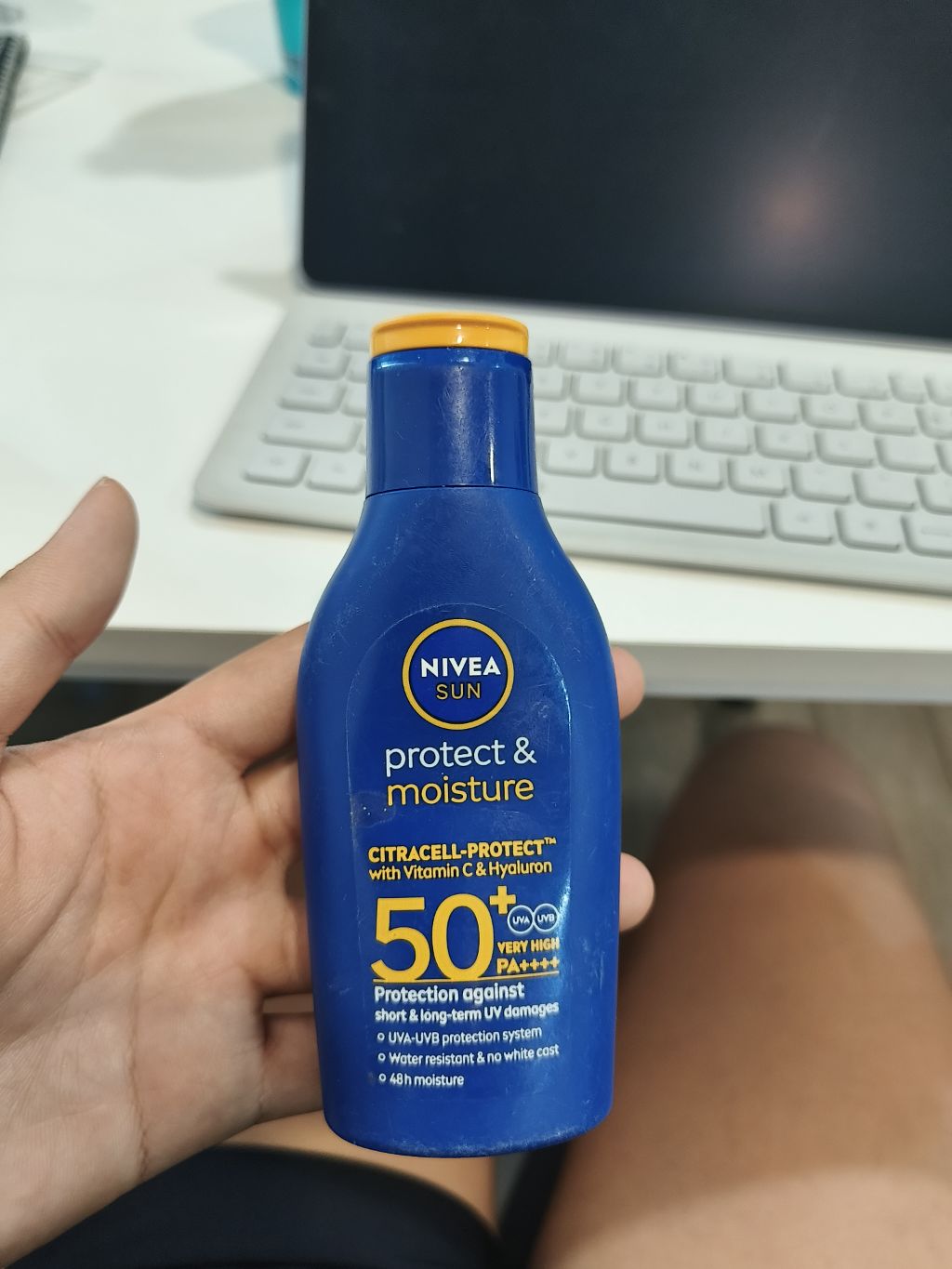
The Unknown Sunscreen Product is a personal care item designed to protect skin from harmful UV radiation. Marketed as a leave-on formula, it falls into the chemical sunscreen category, meaning it uses organic compounds to absorb UV rays. This product aims to provide broad-spectrum protection while also incorporating moisturizing and antioxidant benefits, targeting a general consumer base concerned with both sun protection and skin health.
The ingredient breakdown
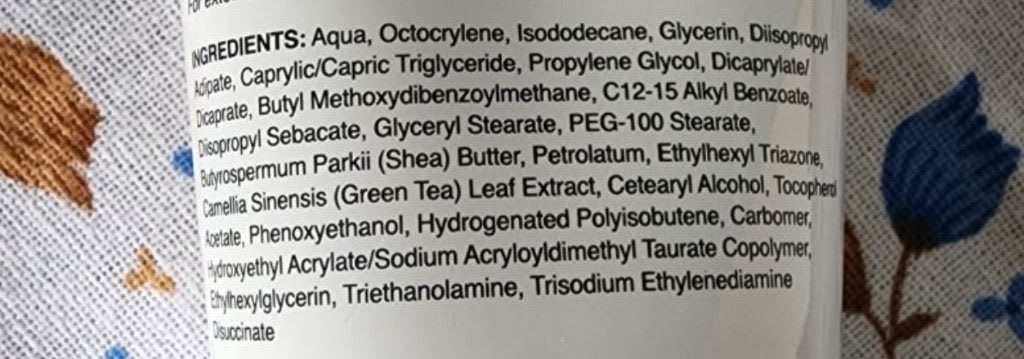
This sunscreen features a comprehensive ingredient list, combining several chemical UV filters with a notable array of skin-conditioning agents. The formulation includes approximately two dozen ingredients, balancing sun protection with emollients, antioxidants, and preservatives, reflecting a typical modern sunscreen composition.
UV Filters and Absorption Enhancers
The primary active ingredients for UV protection in this product are chemical filters such as Octocrylene, Butyl Methoxydibenzoylmethane (also known as Avobenzone), and Ethylhexyl Triazone. Octocrylene is a widely used UVB and some UVA filter, but it has been associated with potential skin sensitization and, in rare cases, contact dermatitis. Butyl Methoxydibenzoylmethane provides UVA protection and is generally considered safe, though it can cause mild irritation in individuals with very sensitive skin. Ethylhexyl Triazone is a highly effective UVB filter with good photostability. While the FDA permits these filters, some concerns exist regarding their potential for systemic absorption, a common characteristic of chemical sunscreens.
Skin-Beneficial Ingredients
Beyond sun protection, this product includes several ingredients aimed at improving skin health. Camellia Sinensis (Green Tea) Leaf Extract is a potent antioxidant that helps protect the skin from environmental damage. Butyrospermum Parkii (Shea) Butter and Glycerin are excellent emollients and humectants, providing deep hydration and helping to maintain the skin's barrier function. Tocopheryl Acetate, a form of Vitamin E, acts as a skin conditioner and additional antioxidant. These ingredients contribute to the product's moisturizing claims and overall skin-nourishing profile.
Preservatives and Emulsifiers
To ensure product stability and safety, ingredients like Phenoxyethanol, Ethylhexylglycerin, and Triethanolamine are included. Phenoxyethanol is a common preservative used to prevent microbial growth; while generally recognized as safe in cosmetic concentrations, some individuals with highly sensitive skin may experience mild irritation. Triethanolamine is primarily used as a pH adjuster and emulsifier. These components are crucial for the product's shelf life and texture, ensuring it remains effective and safe for use over time.
What this means for your health
For most healthy adults, the Unknown Sunscreen Product, when used as directed, presents a generally good safety profile. The primary considerations revolve around the chemical UV filters. While effective, ingredients like Octocrylene have a documented, albeit low, potential to cause skin sensitization or contact dermatitis in susceptible individuals. Since this is a leave-on product, there is a higher potential for ingredient absorption compared to rinse-off products. However, the FDA and other regulatory bodies generally consider these filters safe for topical use within approved concentrations.
Individuals with known sensitivities to chemical sunscreens, or those with very reactive skin, might consider patch testing or opting for alternative formulations. Pregnant women and young children are often advised to exercise extra caution with chemical filters due to potential systemic absorption, though definitive harm has not been broadly established by major regulatory bodies for typical use. The inclusion of beneficial antioxidants and moisturizers helps mitigate some potential irritations and supports overall skin health, making it a balanced choice for many consumers.
Safer alternatives to consider
Consumers seeking alternatives with potentially lower irritation risks or different ingredient profiles should explore mineral-based sunscreens. These typically utilize zinc oxide and/or titanium dioxide as active ingredients, which sit on the skin's surface to reflect UV rays rather than absorbing them, often resulting in less systemic absorption and lower sensitization potential. Additionally, look for products explicitly labeled "fragrance-free" if you have sensitive skin, as fragrances are a common cause of allergic reactions. Prioritizing formulations with minimal ingredients and robust third-party testing can also be a prudent approach.
The bottom line
The Unknown Sunscreen Product offers effective sun protection combined with beneficial moisturizing and antioxidant ingredients. While it contains chemical UV filters like Octocrylene, which carry a low risk of sensitization for some, its overall formulation is considered generally safe for the average user. For most, it's a suitable option for daily sun protection, especially given its skin-conditioning properties. However, those with very sensitive skin or specific health concerns might prefer mineral-based alternatives to minimize potential irritation or absorption.