

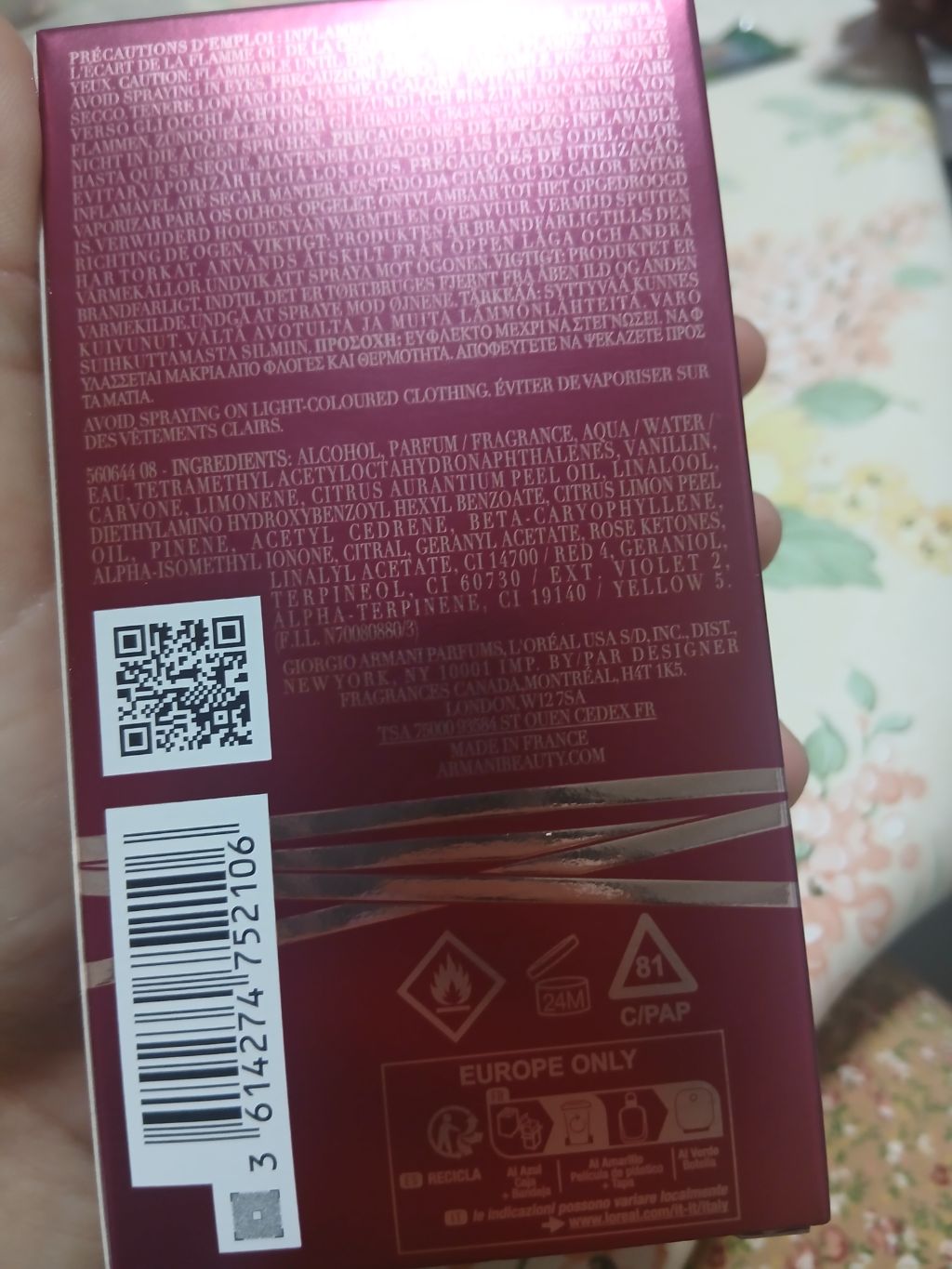


What is Unknown Moisturiser (L'Oreal Group)?
This product is a standard leave-on cosmetic moisturizer, typically marketed for daily skin hydration and general skin health. It falls into the broad category of facial and body moisturizers, designed to provide emollients and occlusives to the skin's surface, helping to prevent moisture loss and maintain a smooth texture. Like many products in its class, it aims to deliver a blend of nourishing and protective ingredients suitable for a wide range of consumers seeking everyday skin care.
The ingredient breakdown
This moisturizer features a comprehensive ingredient profile, blending a variety of emollients, occlusives, and beneficial skin-conditioning agents. While it incorporates several well-regarded ingredients for skin health, it also includes synthetic fragrance components and some ethoxylated compounds, which warrant a closer look for certain individuals.
Beneficial Skin Conditioners and Antioxidants
The formulation includes several ingredients known for their positive impact on skin. Ascorbyl Glucoside, a stable form of Vitamin C, acts as an antioxidant, helping to protect the skin from environmental stressors. Panthenol, a form of Vitamin B5, is well-regarded for its soothing and hydrating properties, aiding in skin repair. Crucially, Hydroxypalmitoyl Sphinganine, a ceramide, supports the skin's natural barrier function, which is vital for maintaining moisture and protecting against irritants. Additionally, ingredients like Glycerin provide humectant benefits, drawing moisture into the skin, while a rich blend of plant oils such as Rice Bran Oil, Corn Oil, Wheat Germ Oil, Sesame Seed Oil, and Soybean Oil offer nourishing fatty acids and vitamins.
Emollients, Occlusives, and Texture Enhancers
To ensure a smooth application and effective moisture retention, the moisturizer utilizes a range of emollients and occlusives. Ingredients like Hydrogenated Polyisobutene, Mineral Oil, Dimethicone, Cetyl Alcohol, Glyceryl Stearate, Microcrystalline Wax, and Paraffin work together to create a protective barrier on the skin's surface, reducing transepidermal water loss and imparting a soft feel. These ingredients are widely used in cosmetics and are generally considered safe by regulatory bodies like the U.S. Food and Drug Administration (FDA) for their intended purpose, helping to improve skin texture and hydration.
Preservatives and Stabilizers
To maintain product integrity and prevent microbial growth, the moisturizer contains preservatives such as Phenoxyethanol and Sodium Benzoate, which are globally accepted in cosmetic formulations at specified concentrations. Chlorhexidine Digluconate is also included, primarily for its antimicrobial properties. Stabilizers like Pentaerythrityl Tetra-di-t-butyl Hydroxyhydrocinnamate and Acrylamide/Sodium Acryloyldimethyltaurate Copolymer help maintain the formula's consistency and shelf-life. While generally safe, Chlorhexidine Digluconate can occasionally be an irritant for individuals with very sensitive skin.
Potential Concerns: Fragrance, PEGs, and Retinyl Palmitate
The presence of Parfum/Fragrance is a notable concern for sensitive individuals. This generic term often represents a complex mixture of undisclosed chemicals, many of which are common allergens. Specific fragrance allergens listed, such as Benzyl Alcohol, Benzyl Benzoate, Benzyl Salicylate, and Limonene, are known to trigger contact dermatitis in susceptible skin. Another ingredient, PEG-100 Stearate, is an ethoxylated compound. While PEGs themselves are generally considered safe, the ethoxylation process can sometimes lead to trace contamination with 1,4-dioxane, a byproduct classified as a probable human carcinogen by the International Agency for Research on Cancer (IARC). The FDA monitors 1,4-dioxane levels in cosmetics, generally deeming trace amounts to be low risk. The product also contains Retinyl Palmitate, a form of Vitamin A. While beneficial as an antioxidant, some health organizations advise caution regarding its use during pregnancy and breastfeeding, as high systemic exposure to retinoids can be a concern.
What this means for your health
For the average consumer, this moisturizer offers a blend of beneficial ingredients for skin hydration and barrier support. However, individuals with sensitive skin or known allergies should be particularly cautious due to the inclusion of undisclosed fragrance compounds and specific fragrance allergens. These ingredients are a common cause of skin irritation and allergic reactions, manifesting as redness, itching, or contact dermatitis.
Pregnant or breastfeeding individuals should consult their physician regarding the use of products containing Retinyl Palmitate. While topical absorption is typically low, some medical professionals recommend avoiding Vitamin A derivatives during these periods out of an abundance of caution. The potential for trace 1,4-dioxane in PEG-100 Stearate is generally considered a low risk by regulatory bodies given the typically minute levels found in cosmetic products, but those seeking to minimize exposure to such byproducts may still wish to avoid it.
Safer alternatives to consider
For those seeking alternatives, prioritize moisturizers explicitly labeled as fragrance-free or for sensitive skin. Look for products that clearly list all ingredients, avoiding generic terms like Parfum or Fragrance. If concerned about ethoxylated compounds, opt for moisturizers free of PEG- ingredients. Pregnant or breastfeeding individuals should choose formulations that do not contain Retinyl Palmitate or other Vitamin A derivatives, instead focusing on hydrating ingredients like hyaluronic acid, glycerin, and ceramides.
The bottom line
The Unknown Moisturiser (L'Oreal Group) is a well-rounded product featuring several beneficial ingredients like ceramides, Vitamin C, and panthenol, which support skin health and hydration. However, the presence of undisclosed fragrance components and specific allergens means it may not be suitable for individuals with sensitive or reactive skin. The inclusion of Retinyl Palmitate also warrants a discussion with a healthcare provider for pregnant or breastfeeding individuals. For the average user without sensitivities, this moisturizer is likely acceptable, but those with specific concerns should consider alternatives.