PERSONAL CARE ANALYSIS

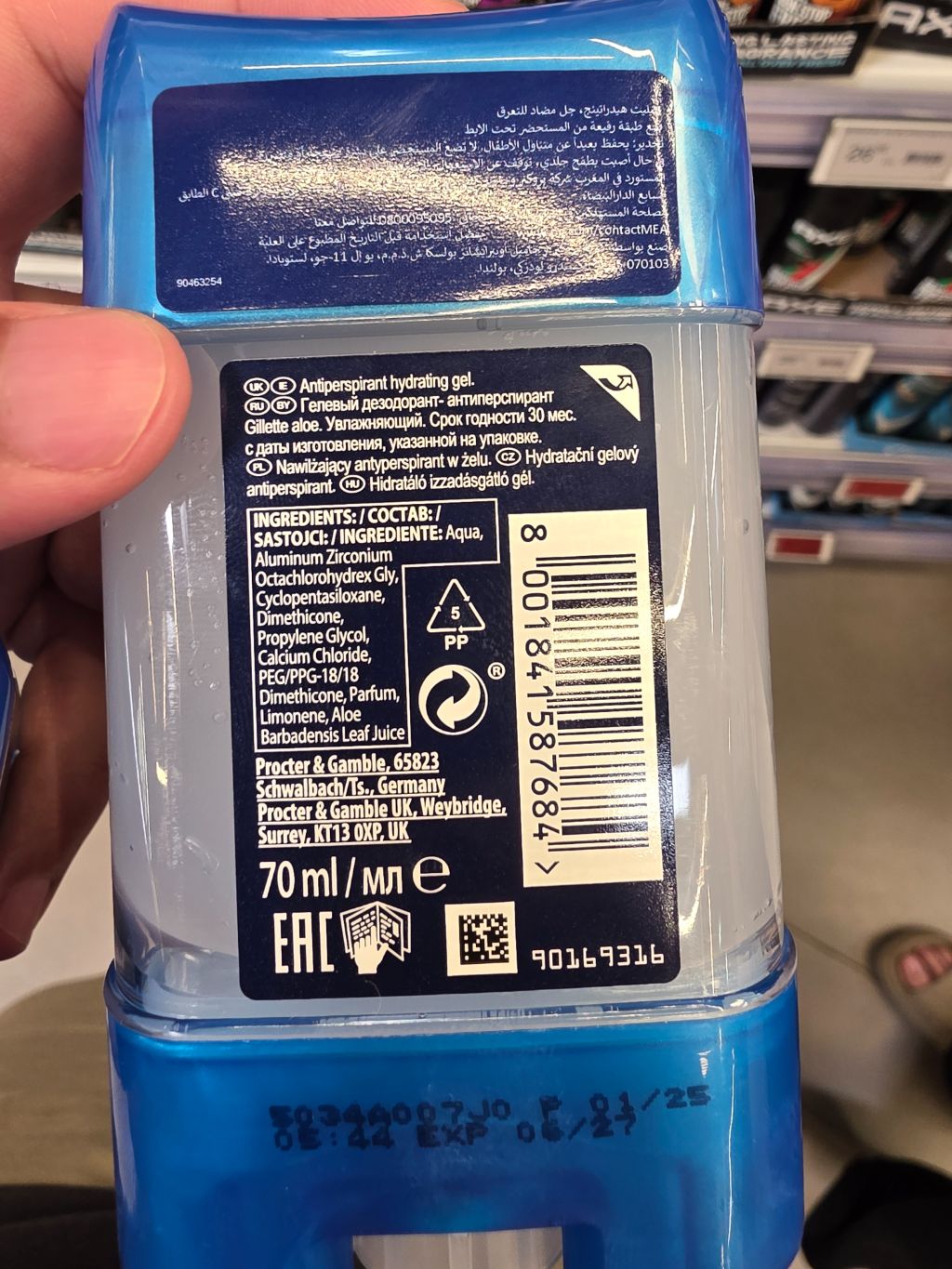
Gillette Antiperspirant Hydrating Gel

AI-Powered Safety Report · SafeShelf

🌐 This is a public scan General scans are publicly accessible and may appear in search engines and the community Discover gallery. Do not upload labels containing personal information. If you want a private analysis tailored to your health, create a free account and use Personalised Scanning →
⚕️ Data Aggregation & Medical Disclaimer SafeShelf is a technology platform, not a medical provider. This analysis is generated by an AI system that aggregates public regulatory data (such as EU and FDA databases) and is provided for educational and informational purposes only. It is not medical advice, a clinical diagnosis, or a substitute for professional healthcare guidance. SafeShelf has no doctors on staff and cannot guarantee the accuracy of AI-generated assessments.

Do not make health, dietary, or medical decisions based solely on this report. Always consult a qualified healthcare professional — especially if you have a medical condition, are pregnant, take prescription medications, or are acting on behalf of an infant or child.

55
Moderate
Gillette Antiperspirant Hydrating Gel
underarm antiperspirant gel high confidence

This is an underarm antiperspirant containing aluminum zirconium, which is a standard but controversial active ingredient due to its role in sweat-duct occlusion and proximity to lymph nodes. The formula includes fragrance and several synthetic components, making it a standard conventional personal care product rather than a natural alternative.

📊 Score Breakdown
Absorption Zone Risk
35% of overall
30
Contains Aluminum Zirconium Octachlorohydrex Gly, a common antiperspirant active that functions by blocking sweat ducts.
Toxic Chemical Presence
25% of overall
70
Contains PEG/PPG-18/18 Dimethicone; while generally safe, PEGs can be a concern if applied to broken or irritated skin.
Ingestion Risk
20% of overall
100
Not intended for oral use; ingestion risk is negligible for an underarm product.
Fragrance Load
15% of overall
50
Contains 'Parfum' and 'Limonene', which are common fragrance allergens and potential skin sensitizers.
Microbiome Impact
5% of overall
80
Does not contain harsh antibacterial agents like triclosan, though antiperspirants naturally alter the underarm microbiome.
🚨 Critical Warnings
Do not apply to broken or irritated skin.
Discontinue use if a rash or irritation develops.
✅ What's Good
  • Contains Aloe Barbadensis Leaf Juice for soothing properties
  • Dimethicone provides skin conditioning and barrier protection
  • Glycerin-like emollient properties from propylene glycol
🥜 Allergens Detected

These are personal risks — they are not universally harmful. People without these allergies or intolerances are unaffected.

Limonene Parfum
⚠️ Flagged Ingredients
Aluminum Zirconium Octachlorohydrex Gly MEDIUM
Antiperspirant active that works by physically blocking sweat ducts; some users prefer to avoid aluminum-based products.
Parfum MEDIUM
Generic term for undisclosed fragrance chemicals which can cause contact dermatitis.
Limonene LOW
Fragrance component that is a known skin sensitizer when oxidized.
🔬 Full Ingredient Breakdown

Every identified ingredient classified by safety level.

Aqua safe
Aluminum Zirconium Octachlorohydrex Gly moderate
Cyclopentasiloxane safe
Dimethicone beneficial
Propylene Glycol safe
Calcium Chloride safe
PEG/PPG-18/18 Dimethicone moderate
Parfum moderate
Limonene allergen
Aloe Barbadensis Leaf Juice beneficial
💡 Recommendations
  • If you experience skin sensitivity, consider switching to an aluminum-free deodorant.
  • Apply only to clean, dry underarm skin to minimize irritation.
📚 Regulatory & Toxicological Context

The analysis for Gillette Antiperspirant Hydrating Gel relies on aggregated data from global regulatory bodies. When evaluating products in the personal-care category, our AI cross-references ingredients against databases such as the European Chemicals Agency (ECHA), the US Food and Drug Administration (FDA) GRAS list, and the International Agency for Research on Cancer (IARC).

Consumer products often contain complex chemical formulations. While individual ingredients may be legally permitted in certain jurisdictions, emerging toxicological research frequently highlights the risks of bioaccumulation, endocrine disruption, and gut microbiome degradation. SafeShelf's mission is to provide transparent, accessible translations of these complex chemical nomenclatures so consumers can make informed decisions about their household exposure.

⚕️ Reminder: This AI report is for informational purposes only and does not replace professional medical advice. Ingredient safety can vary based on individual health factors, dosage, product formulation, and applicable regulations in your country. SafeShelf assumes no liability for decisions made based on this analysis.

🔍 Related Scans in this Category

What is Gillette Antiperspirant Hydrating Gel?

Gillette Antiperspirant Hydrating Gel is an underarm personal care product designed to reduce sweat and body odor. Marketed to men, it falls into the category of conventional antiperspirants, which typically rely on aluminum-based compounds as their active ingredient. Unlike some 'natural' deodorants that only mask odor, this product aims to physically prevent perspiration, offering a strong defense against wetness and smell. Its gel formulation suggests a focus on smooth application and a hydrating feel, distinguishing it from traditional stick or spray formats.

The ingredient breakdown

This Gillette antiperspirant features a moderate number of ingredients, blending active antiperspirant compounds with silicones, emollients, and fragrance components. The overall composition is typical for a conventional personal care product, prioritizing efficacy and sensory experience, but also including ingredients that warrant closer examination for potential sensitivities.

The primary active ingredient is Aluminum Zirconium Octachlorohydrex Gly, a common aluminum-based salt found in many antiperspirants. Its mechanism involves dissolving in sweat and forming a temporary plug in the sweat ducts, thereby reducing the amount of sweat that reaches the skin's surface. While the FDA recognizes aluminum salts as safe and effective for antiperspirant use, some consumers express concern about aluminum absorption or its proximity to lymph nodes, though scientific consensus generally supports its safety in this application.

The product also contains several fragrance components, notably Parfum and Limonene. 'Parfum' is a generic term that can encompass a proprietary blend of dozens of chemicals, some of which are known allergens or sensitizers. Limonene is a specific fragrance ingredient naturally present in citrus peels, but it can oxidize upon air exposure to form compounds that are known skin sensitizers. Regulatory bodies like the European Union require specific labeling for Limonene and other common fragrance allergens when they exceed certain concentrations, due to their potential to cause contact dermatitis in susceptible individuals.

Other notable ingredients include Cyclopentasiloxane and Dimethicone, which are silicones that provide a smooth feel and help form a protective barrier on the skin. Propylene Glycol acts as a humectant, drawing moisture to the skin, and a solvent. PEG/PPG-18/18 Dimethicone is an emulsifier and skin conditioning agent; while PEGs are generally considered safe, some individuals prefer to avoid them, especially on broken or irritated skin, due to potential for enhanced absorption. Finally, Aloe Barbadensis Leaf Juice is included for its known soothing and hydrating properties.

What this means for your health

For most individuals, using Gillette Antiperspirant Hydrating Gel as directed is unlikely to pose significant health risks. The primary concern revolves around potential skin irritation or allergic reactions, particularly due to the presence of undisclosed fragrance compounds ('Parfum') and Limonene. Individuals with a history of sensitive skin, eczema, or contact dermatitis should exercise caution. Applying the product to broken or freshly shaved skin is explicitly warned against, as this can increase the likelihood of irritation and potentially enhance the absorption of certain ingredients.

While the aluminum active ingredient is a common point of discussion, regulatory bodies like the FDA consider it safe for topical antiperspirant use. The realistic exposure risk for an average consumer using this product as intended is low, with the main considerations being localized skin reactions rather than systemic health impacts. Pregnant individuals or those with specific health conditions should always consult a healthcare professional regarding personal care product choices.

Safer alternatives to consider

For those seeking alternatives, look for antiperspirants that are explicitly labeled 'fragrance-free' or 'for sensitive skin' to minimize exposure to potential allergens like Parfum and Limonene. Some brands offer aluminum-free deodorants that use ingredients like baking soda, magnesium hydroxide, or zinc ricinoleate to neutralize odor, though these do not prevent sweating. If aluminum is a concern, consider products that utilize mineral actives like zinc oxide or titanium dioxide, or explore options with simpler ingredient lists, focusing on essential components and avoiding synthetic dyes or a long list of emulsifiers.

The bottom line

Gillette Antiperspirant Hydrating Gel is an effective conventional antiperspirant that delivers on its promise to reduce sweat. Its formulation includes beneficial skin conditioners like dimethicone and aloe, but also contains fragrance components (Parfum, Limonene) that are common allergens. For the average user without known sensitivities, it’s generally safe when used on intact skin. However, individuals with sensitive skin or those wishing to avoid aluminum and undisclosed fragrances may want to explore alternatives. It's a product to use with awareness, rather than outright avoidance, depending on personal tolerance.

❓ Frequently Asked Questions
Is Gillette Antiperspirant Hydrating Gel safe to use daily?

For most individuals without known skin sensitivities, Gillette Antiperspirant Hydrating Gel is generally considered safe for daily use as directed. The active ingredient, aluminum zirconium, is approved by the FDA. However, if you have sensitive skin or a history of contact dermatitis, you might experience irritation due to fragrance components like Limonene.

Does Gillette Antiperspirant Hydrating Gel contain aluminum?

Yes, Gillette Antiperspirant Hydrating Gel contains Aluminum Zirconium Octachlorohydrex Gly, which is an aluminum-based compound. This ingredient is the active antiperspirant agent, working by temporarily blocking sweat ducts to reduce perspiration. It is a common and FDA-approved ingredient in many conventional antiperspirants.

Can Gillette Antiperspirant Hydrating Gel cause skin irritation?

Yes, Gillette Antiperspirant Hydrating Gel can potentially cause skin irritation, especially for individuals with sensitive skin. This is primarily due to the presence of 'Parfum' (fragrance) and Limonene, which are known allergens and sensitizers. It is advised not to apply the product to broken or irritated skin to minimize the risk of developing a rash or other adverse reactions.

The editorial article above was AI-generated from this product's ingredient analysis. It is for informational purposes only and is not medical advice.

Get a Personalised Analysis

Register free and scans will be tailored to your medications, conditions, and health goals.

Register Free →