PERSONAL CARE ANALYSIS

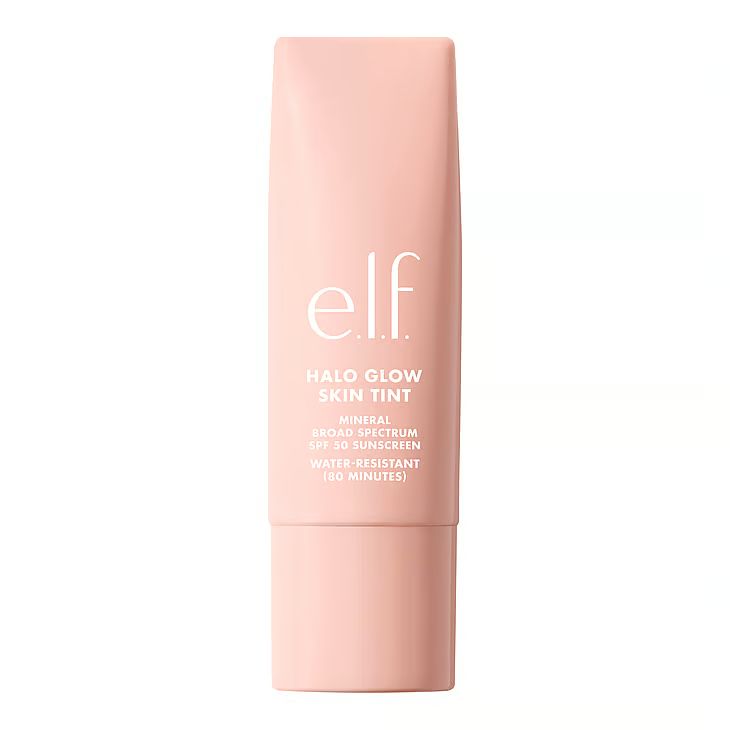
e.l.f. Halo Glow Skin Tint

AI-Powered Safety Report · SafeShelf

🌐 This is a public scan General scans are publicly accessible and may appear in search engines and the community Discover gallery. Do not upload labels containing personal information. If you want a private analysis tailored to your health, create a free account and use Personalised Scanning →
⚕️ Data Aggregation & Medical Disclaimer SafeShelf is a technology platform, not a medical provider. This analysis is generated by an AI system that aggregates public regulatory data (such as EU and FDA databases) and is provided for educational and informational purposes only. It is not medical advice, a clinical diagnosis, or a substitute for professional healthcare guidance. SafeShelf has no doctors on staff and cannot guarantee the accuracy of AI-generated assessments.

Do not make health, dietary, or medical decisions based solely on this report. Always consult a qualified healthcare professional — especially if you have a medical condition, are pregnant, take prescription medications, or are acting on behalf of an infant or child.

88
Excellent
e.l.f. Halo Glow Skin Tint
leave-on sunscreen low confidence

This product is a mineral-based sunscreen and skin tint. The ingredient list is not visible in the provided image, so this analysis is based on the product's stated function as a mineral SPF 50 sunscreen. It is categorized as personal-care due to its primary function as a sun protection product.
📊 Score Breakdown
Absorption Zone Risk
30% of overall
100
Mineral sunscreens (zinc oxide/titanium dioxide) are generally considered safe and non-penetrating.
Toxic Chemical Presence
25% of overall
90
Mineral-based formulas typically avoid the chemical filters associated with endocrine disruption.
Ingestion Risk
20% of overall
100
Not applicable as this is a face/body product, not a lip product.
Fragrance Load
15% of overall
80
e.l.f. products are generally fragrance-free, but verification requires the full ingredient list.
Microbiome Impact
10% of overall
90
Mineral sunscreens are generally gentle on the skin microbiome.
🚨 Critical Warnings
Ingredient list may be incomplete due to image crop; please verify full list for specific sensitivities.
✅ What's Good
  • Broad spectrum SPF 50 protection
  • Mineral-based formula
  • Water-resistant (80 minutes)
✅ No Flagged Ingredients

No harmful or concerning ingredients were detected in this product.

🔬 Full Ingredient Breakdown

Every identified ingredient classified by safety level.

Mineral Sunscreen Actives beneficial
💡 Recommendations
  • Apply liberally 15 minutes before sun exposure.
  • Reapply at least every 2 hours or after 80 minutes of swimming or sweating.
📚 Regulatory & Toxicological Context

The analysis for e.l.f. Halo Glow Skin Tint relies on aggregated data from global regulatory bodies. When evaluating products in the personal-care category, our AI cross-references ingredients against databases such as the European Chemicals Agency (ECHA), the US Food and Drug Administration (FDA) GRAS list, and the International Agency for Research on Cancer (IARC).

Consumer products often contain complex chemical formulations. While individual ingredients may be legally permitted in certain jurisdictions, emerging toxicological research frequently highlights the risks of bioaccumulation, endocrine disruption, and gut microbiome degradation. SafeShelf's mission is to provide transparent, accessible translations of these complex chemical nomenclatures so consumers can make informed decisions about their household exposure.

⚕️ Reminder: This AI report is for informational purposes only and does not replace professional medical advice. Ingredient safety can vary based on individual health factors, dosage, product formulation, and applicable regulations in your country. SafeShelf assumes no liability for decisions made based on this analysis.

🔍 Related Scans in this Category

What is e.l.f. Halo Glow Skin Tint?

The e.l.f. Halo Glow Skin Tint is a multi-functional personal care product designed to provide both cosmetic coverage and significant sun protection. Marketed to individuals seeking a radiant finish with broad-spectrum defense, it falls into the category of leave-on sunscreens, specifically utilizing mineral UV filters. This product aims to blend seamlessly into a daily beauty routine, offering the benefits of a skin tint while ensuring robust SPF 50 protection against harmful UV rays.

The ingredient breakdown

This e.l.f. product is primarily characterized by its mineral-based sun protection, which is generally considered a beneficial approach to UV defense. While a complete ingredient list was not available for a full analysis, its core composition relies on physical blockers rather than chemical filters. The overall profile suggests a focus on gentle, non-penetrating ingredients, though consumers should always verify the full label for specific sensitivities.

The primary active ingredients in e.l.f. Halo Glow Skin Tint are mineral sunscreen agents, typically Zinc Oxide and Titanium Dioxide. These work by creating a physical barrier on the skin's surface that reflects and scatters ultraviolet radiation, preventing it from penetrating the skin. The U.S. Food and Drug Administration (FDA) recognizes both zinc oxide and titanium dioxide as generally safe and effective (GRASE) for use in sunscreens. Unlike chemical filters, these minerals are largely non-absorbed into the bloodstream, minimizing systemic exposure concerns and making them suitable for broad-spectrum SPF 50 protection.

Given e.l.f.'s brand philosophy, this product is likely formulated without common chemical UV filters such as oxybenzone, avobenzone, octinoxate, and octisalate, which have raised concerns regarding potential endocrine disruption and environmental impact. Furthermore, e.l.f. products are often marketed as fragrance-free, which reduces the risk of irritation for individuals with sensitive skin. However, without the full ingredient list, it's important for consumers with specific allergies or sensitivities to check for other inactive ingredients like preservatives, emollients, or colorants that might be present.

What this means for your health

For most consumers, the e.l.f. Halo Glow Skin Tint, with its mineral-based SPF 50, presents a low realistic exposure risk. Mineral sunscreens like this are generally considered safe because their active ingredients, zinc oxide and titanium dioxide, sit on the skin's surface rather than being absorbed into the body. This makes them a favorable choice for sensitive skin, children, and pregnant individuals who may wish to minimize systemic chemical exposure. The broad-spectrum protection is crucial for preventing sun damage, which contributes to premature aging and skin cancer risk.

However, it's always prudent to exercise caution. While the core sun protection is robust, the full list of inactive ingredients remains unconfirmed. Individuals with known allergies to specific cosmetic components (e.g., certain preservatives, dyes, or plant extracts) should always consult the product's packaging for the complete ingredient disclosure before use. For the average consumer using this product as intended, the primary health benefit is effective, low-risk sun protection.

Safer alternatives to consider

When seeking safer alternatives in the skin tint and sunscreen category, prioritize products that exclusively use mineral active ingredients like zinc oxide and titanium dioxide. Look for formulations that explicitly state they are fragrance-free and dye-free to minimize potential irritants and allergens. Opt for brands with transparent ingredient lists that avoid parabens, phthalates, and other synthetic chemicals often associated with health concerns. Products certified by third-party organizations for purity or hypoallergenic properties can also offer additional assurance for those with very sensitive skin or specific health concerns.

The bottom line

The e.l.f. Halo Glow Skin Tint appears to be a commendable choice for daily sun protection, leveraging the widely accepted safety profile of mineral UV filters. Its SPF 50 broad-spectrum defense is a significant benefit for skin health. While the absence of a complete ingredient list necessitates a recommendation for consumers to verify the full label for personal sensitivities, its mineral-based nature and e.l.f.'s general brand practices suggest it's a relatively safe option. For most, this product offers an effective and low-risk way to incorporate sun protection into their routine.

❓ Frequently Asked Questions
Is e.l.f. Halo Glow Skin Tint safe for daily use?

Yes, e.l.f. Halo Glow Skin Tint is generally considered safe for daily use due to its mineral-based SPF 50 formulation. Zinc oxide and titanium dioxide create a physical barrier on the skin, offering effective sun protection with minimal systemic absorption. Always check the full ingredient list for any personal sensitivities.

Does e.l.f. Halo Glow Skin Tint contain chemical UV filters?

No, e.l.f. Halo Glow Skin Tint is a mineral-based sunscreen, meaning it primarily uses zinc oxide and titanium dioxide as its active UV filters. It is formulated without chemical UV filters like oxybenzone or avobenzone, which are often associated with different safety concerns and environmental impacts.

Is e.l.f. Halo Glow Skin Tint suitable for sensitive skin?

Mineral sunscreens like e.l.f. Halo Glow Skin Tint are generally well-tolerated by sensitive skin because their active ingredients are not absorbed. The brand also typically avoids fragrance, a common irritant. However, individuals with specific skin conditions should always review the complete ingredient list to ensure compatibility with their unique sensitivities.

The editorial article above was AI-generated from this product's ingredient analysis. It is for informational purposes only and is not medical advice.

Get a Personalised Analysis

Register free and scans will be tailored to your medications, conditions, and health goals.

Register Free →